As a professional photographer, I am very aware of the difference between the sizes of camera sensors and why a bigger sensor is cooler. The size of a camera sensor directly affects the quality of the images, as it dictates how much light it can absorb. The larger the sensor, the more light it can absorb and therefore the better the image quality.
Additionally, the size of the sensor also impacts the brilliance and amount of detail of the image. A larger sensor will produce more detail than a smaller one.
Furthermore, the size of the active area of a camera sensor is also used to determine the pixel density of the image. The higher the pixel density, the sharper and more detailed the image. Additionally, the size of the camera sensor also affects the type of chip used. CCD chips are usually found in DSLR cameras, while CMOS sensors are usually found in the cameras of smartphones and tablets as well as mirrorless bodies.
Finally, the size of the sensor can also be used to identify density differences in the SWIR spectrum. All in all, the size of the camera sensor is a very important factor to consider when taking photos.
Contents
So which size camera sensor is the best for you?
When it comes to this choice you have to consider the price. I would of course recommend looking at APS-C sensors and bigger ones. Since smaller sensors are giving more distortion. But I will mention why they are not the best choice below.
Phone Sensors And A Bit Bigger Ones
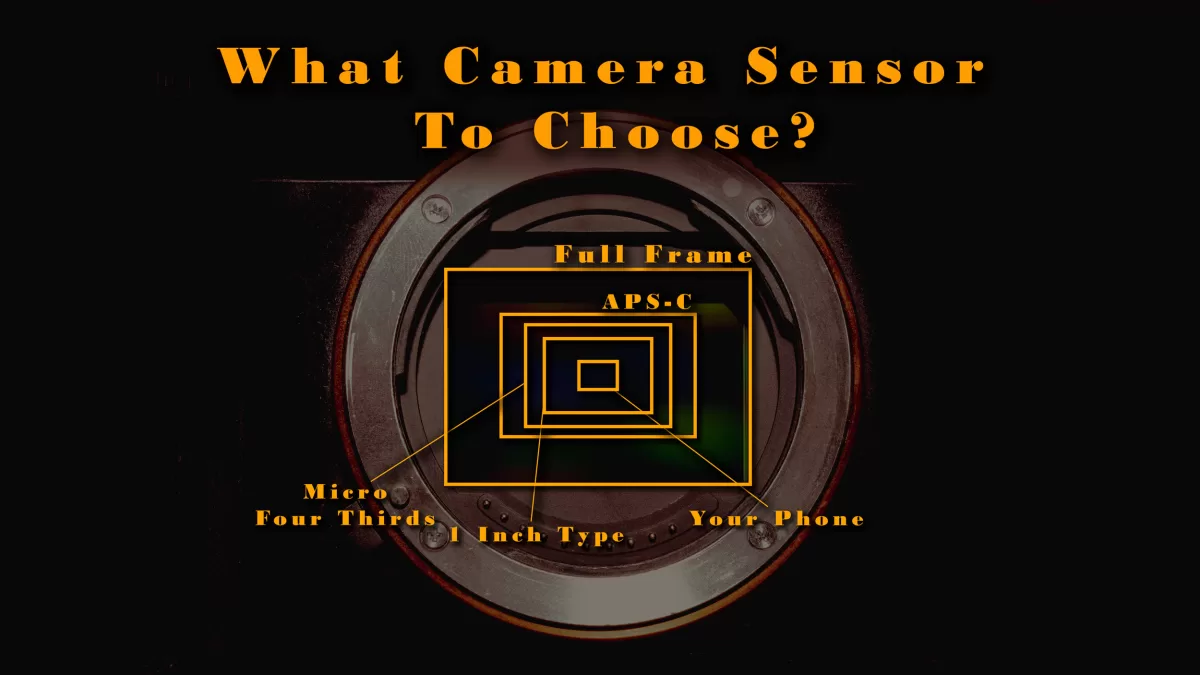
The phone sensors are super small. About 5-6 times smaller than the full-frame sensor which leaves you with a lot of distortions. Some people might like the fish eye effect but, believe me, you will get bored of it very quickly. Everything that is farther away from you will look even smaller on wide lenses while on bigger sensors you will get a more accurate picture. I also talk about that in my other article:
Ultimate guide on how to take photos with a phone
Full-frame VS APS-C
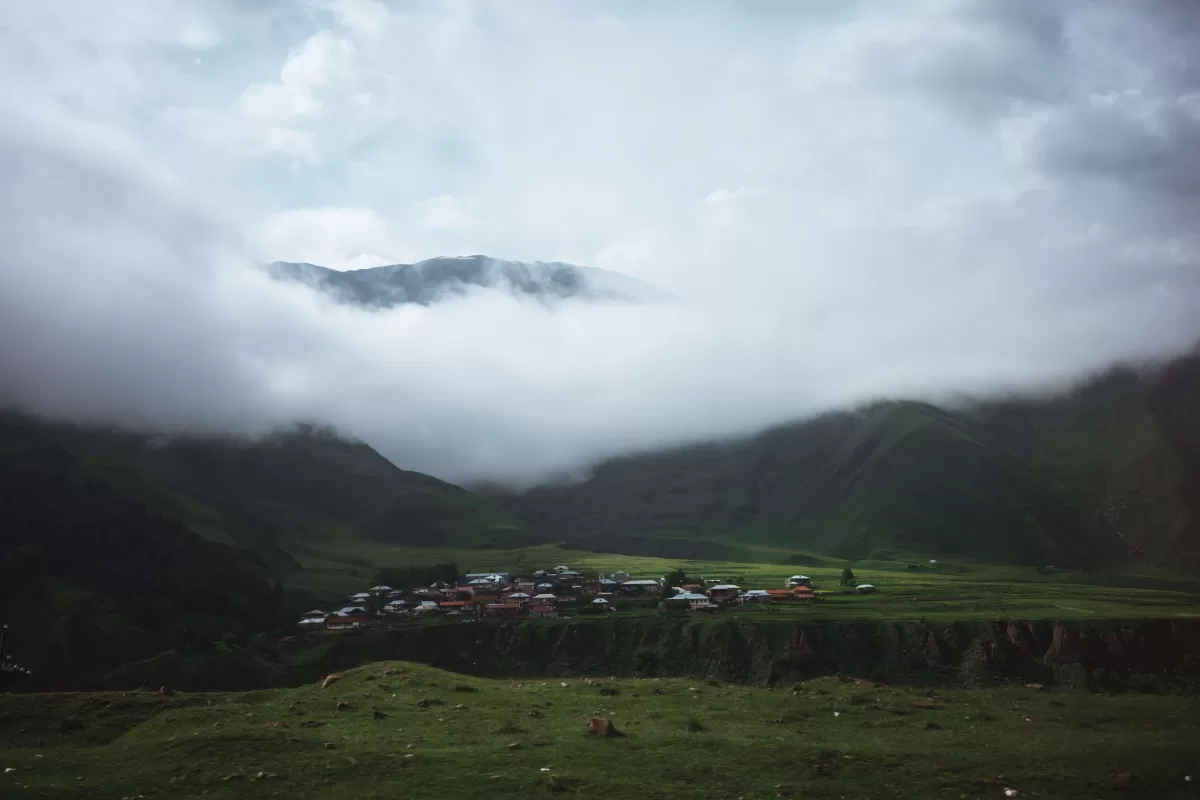
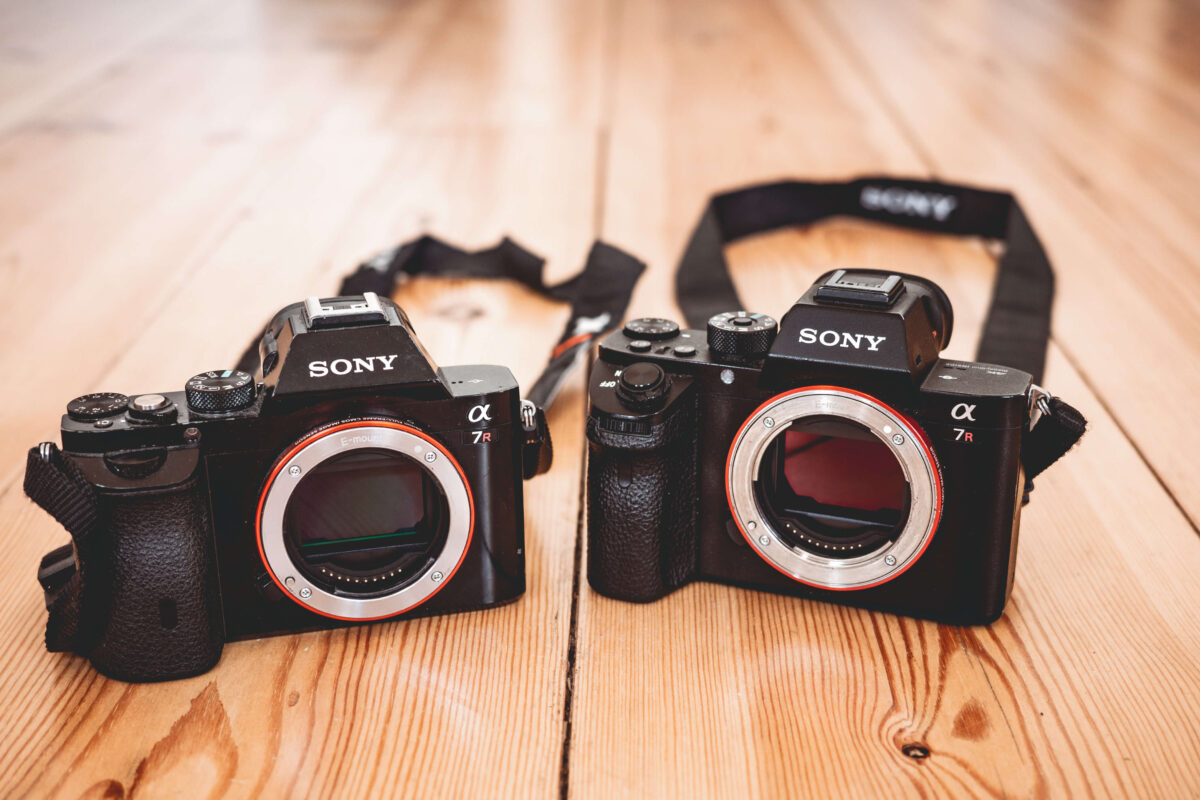
But when your choice is between APS-C and full-frame, you need to make sure that you need this full frame. Because modern cropped, camera sensors are actually performing really well. A got this camera from Ricoh and I’m still amazed by what I can achieve with it. Of course, my Sony Camera performs better because it’s full-frame but it’s not always certain that you need all of this power. Sometimes the size of the camera matters more. And of course, the bigger sensor makes the camera bigger too.
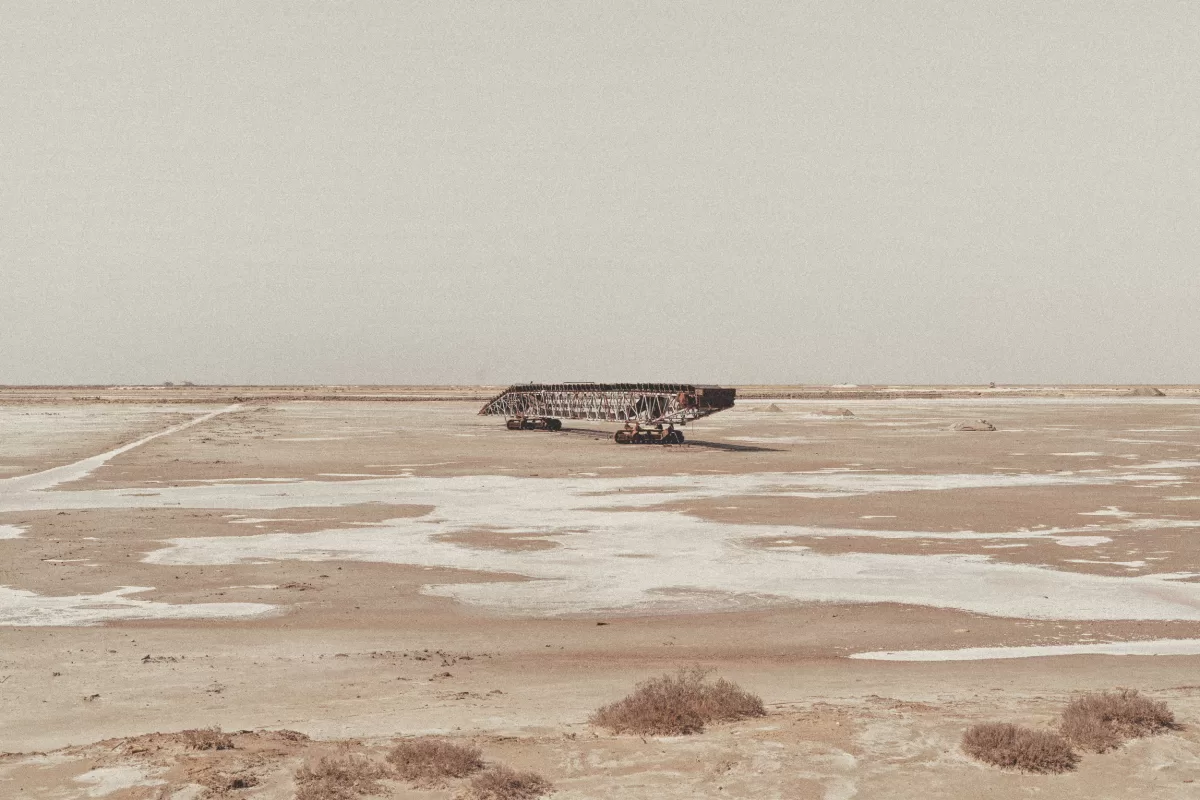
What I like more about full-frame cameras is that the image looks closer to how we naturally see the world. It also captures more light which gives you a lot more ability to edit the picture afterwards.
Medium Format Camera Sensors
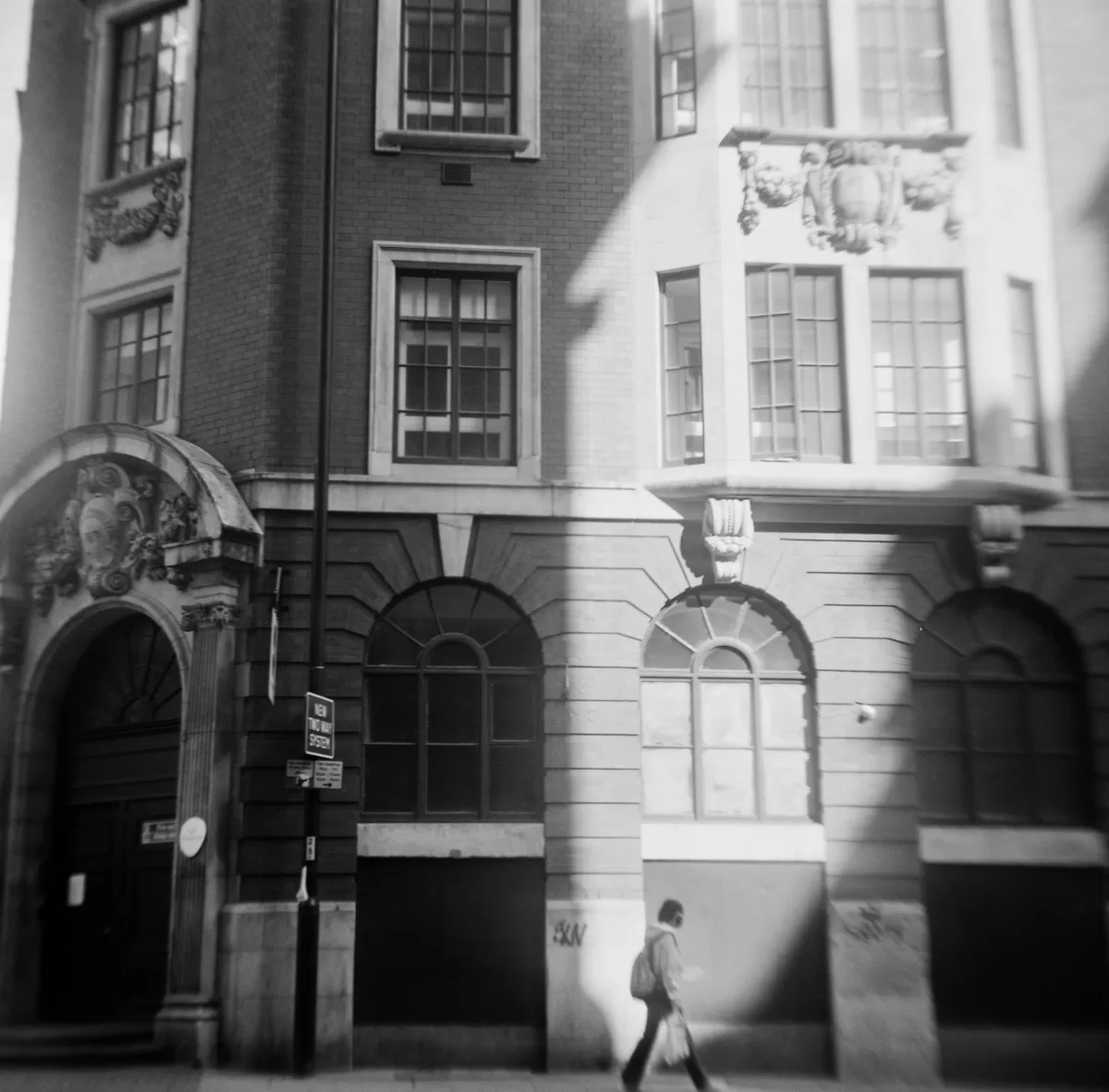
But then medium format cameras should be even better. I have been always interested in medium format but tried out shooting medium only on film. Some people prefer it a lot more than the full-frame format and I understand why.
But when you approach medium format you should be a professional or a high-level amateur. This is when you want to create complex compositions and concepts and input them in your frames. Be ready to spend more than 3000€ for a digital camera or more than 400€ for a film camera but then a lot more for the film and development.
Large Format Camera Sensors
Well… you wouldn’t read this article if you’re about to buy a camera like this. The cameras are super expensive and you need to know how to work with them. You can check this review if you’re interested.
So Which Size Of The Camera Sensor To Choose?
The best would be the one you’re comfortable working with but not too expensive at first. I have been working with a full frame for 3 years and I understand that I’m completely comfortable with it. I might get medium format but only in some years once I need more power. At the same time, I often shoot with Ricoh which is APS-C because it’s pocketable and I can take it everywhere with me.
If you have an APS-C camera sensor but want to upgrade to full-frame, I would say, don’t stick to the only choice of full-frame. If you get good lenses you will find out how much you can achieve with them. Most importantly, continue climbing up the stairs of photography and you will know when you really need a bigger camera sensor.
The Type Of The Camera Sensor
I would not recommend buying an old camera but with a bigger sensor since the sensor will not be capable of what the modern ones are. Aside from better resolution, they can capture more light and they are ISO-less. Meaning if you shoot at night with ISO 100 you can pull up the exposure and get the same results as shooting at ISO 1600, for example.
I must give you another tip, that you were probably aware of: it’s better to always slightly underexpose the picture rather than overexpose. if you’d like to know more about the exposure you can check out this article:
Exposure In Photography And How To Rock It. Best techniques.
Thank you very much for reading my article. I hope I gave you some insights on the camera sensor choice. If you’d like to support me, you can do that by subscribing to my newsletter or also via Patreon.
patreon.com/phfedorvasilev