You might often look at your old photos and enjoy yourself. Sometimes you look back and what you have created and realised that your photos are bad(Mine are quite bad too XD). We often keep being in our own bubbles and it’s tricky to think of our photos critically. What you think of your photos is at no cost equal to reality. Let me explain why.
You See Things Differently Than They Are.
Coming to the question if you know how the vision works at first I want to mention that our vision is biased. You define what object you see as well as its shape separately from its colour. And you don’t even see the colours as you think you see them. Instead, you see the colour on the edges of objects.

In the picture above you can see that the inner part of the shape is pinker than the white surrounding it. That is not true and the middle is of the same colour as the background – bright white. Your colour perception fills in the colour a bit.
Try to cover the shape so you would see only the middle and you will see the real colour of it.
When it comes to how we see the world, it’s all about contrasts. There’s even an app where you should put similar colours next to each other. It gets tricky when you have contrasting colours nearby and the colour block that you need to move to the right position looks very different from what it is.
The App Is Called “I Love Hue”
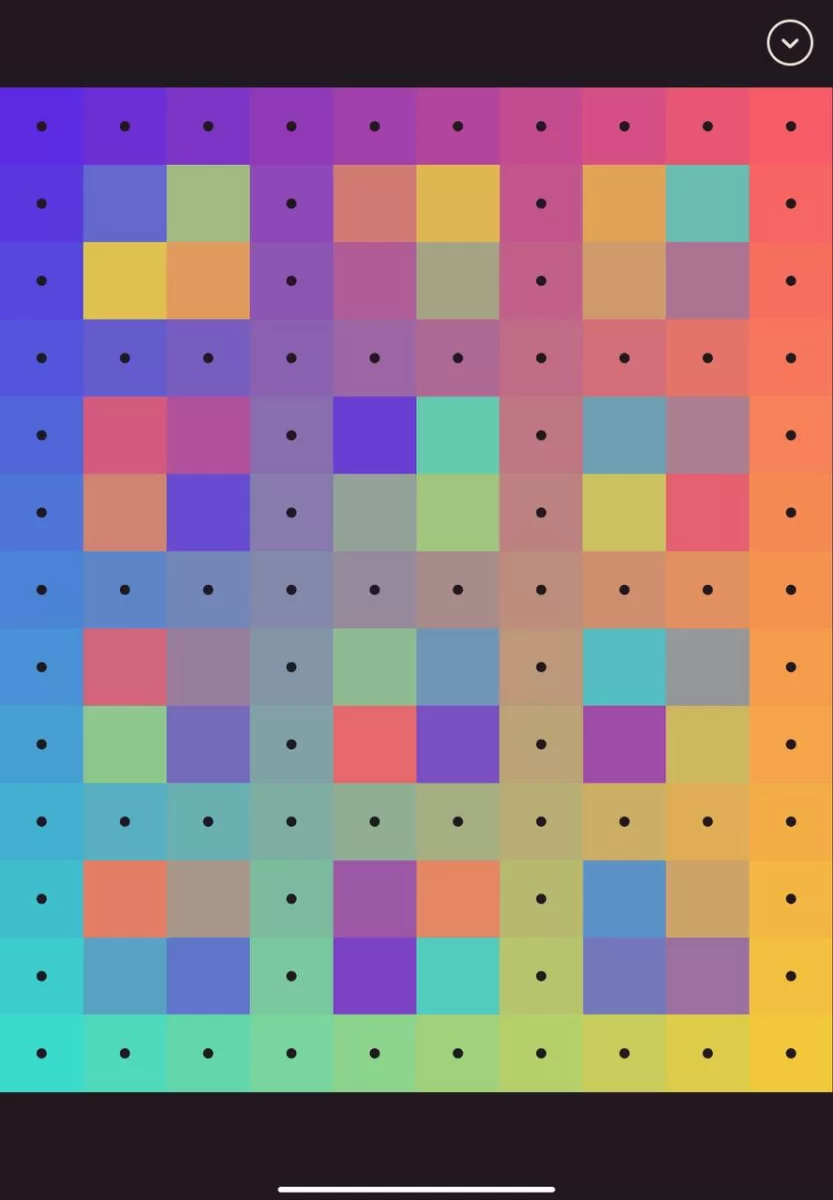
We Aren’t Perfect At Seeing
But this is all about biology. It all is important since you can train your colour perception and you will be able to edit the colours better for your pictures. This also means that you can see your own photos differently from other people. Photographers and artists usually train the ability to see and differentiate the colours and their colour perception is much higher than the average. We can easily see when the colour is off, but people who don’t create visual art don’t.
Take that in mind, neither your colour perception is perfect nor mine. You can train that for years and then it will be quite good. So when you see photos with bad colours try to understand that some artists might look the same way at yours. They will think that your photos are bad too… On the contrary, when people are praising your works it doesn’t mean they are good.
Facebook photography groups
I’ve seen a lot of praise for mediocre photography in Facebook groups. Or there’s a group called: “world-class landscape photographers” most of the works are somewhat decent but is it the world-class? And what means “world-class”? But some of the people posting on Facebook are very sure about their works being masterpieces.
The good news – you can train your colour perception
I don’t even know precisely how exactly you can do that by taking more pictures. But you can try to paint yes. And paint not anything but studies of other paintings and masterpieces from the world of photography. I’m serious! Dedicate 30 minutes of your time every day and repaint photographs and paintings. You will notice a HUGE difference in a few months.
You don’t need to copy a painting or a photograph perfectly. Just focus on the colours and shapes. These 30 minutes sketches will help you to see the colours better.
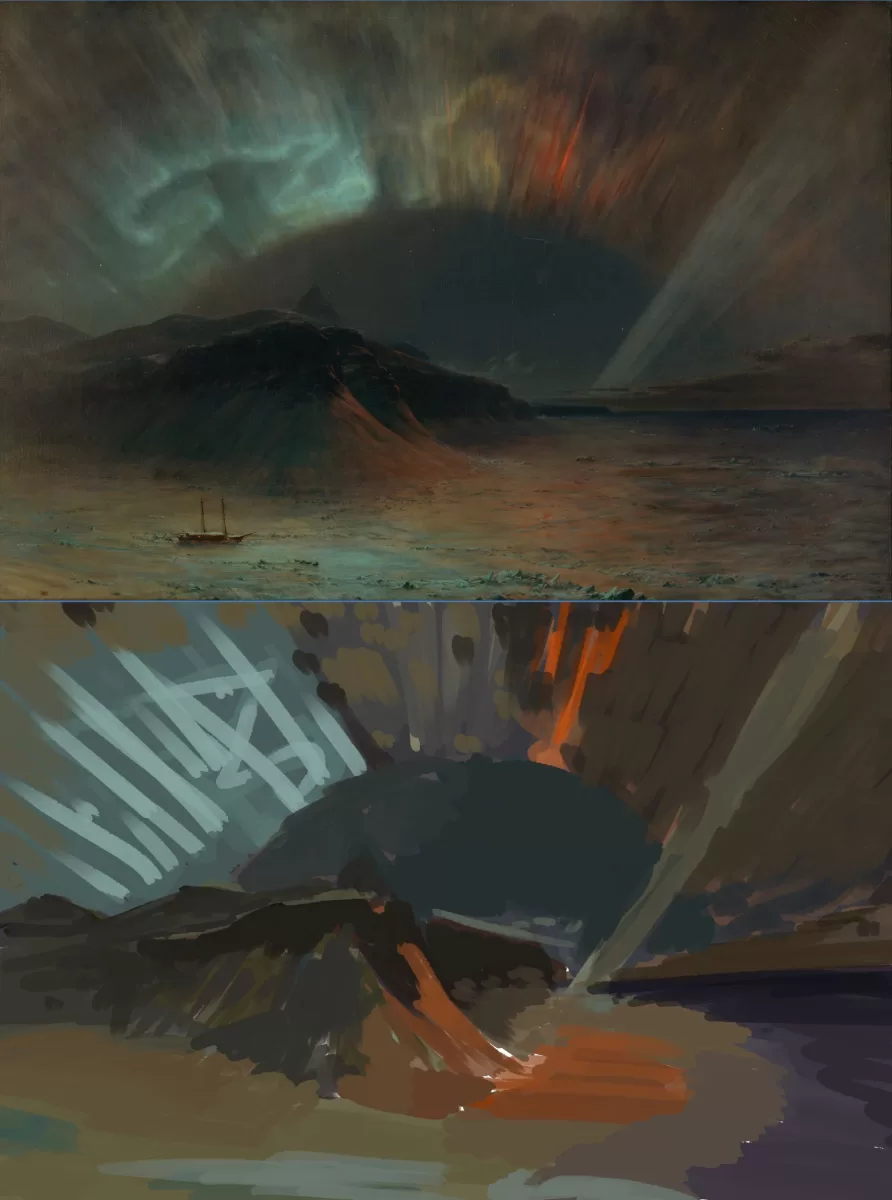
Concepts of Your Photographs
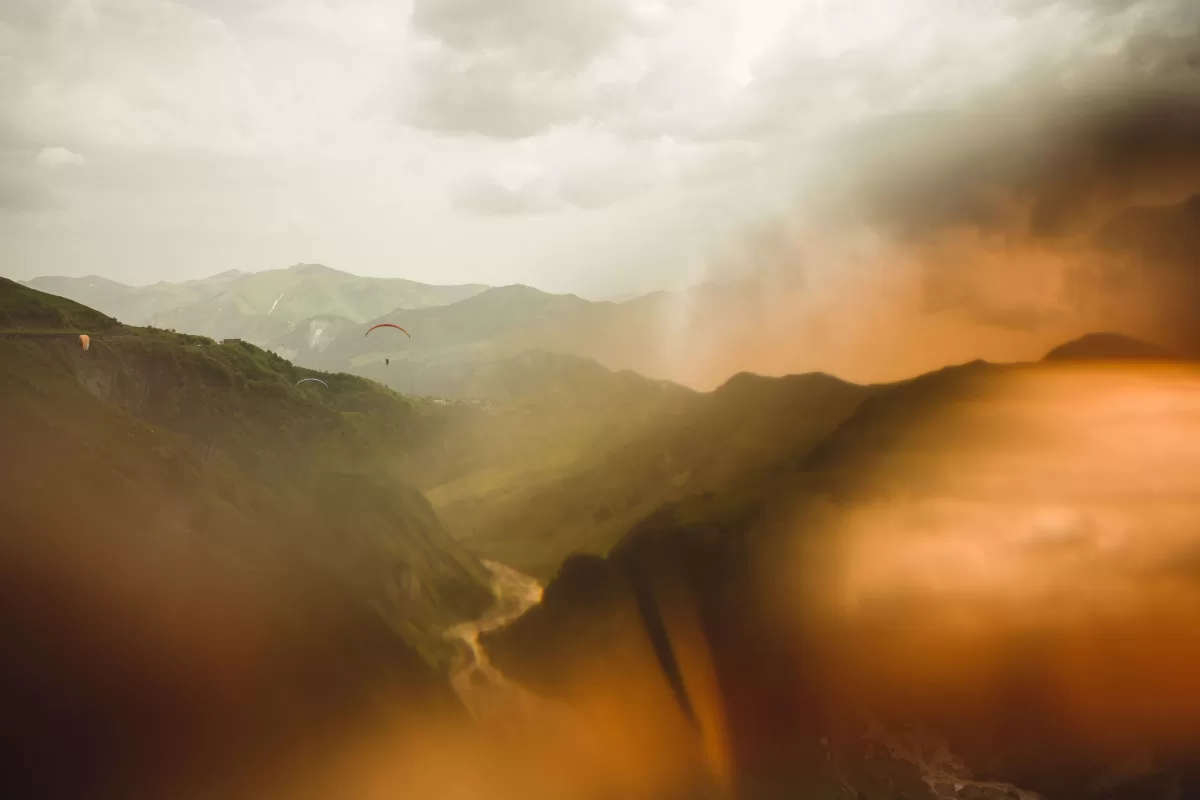
When you do photography over the years, you start to create images with more intricate concepts. It will happen sooner or later if you constantly try to improve. I would say the weak concepts are the ones which have a basic trick behind them and not a complex idea or feeling.
In my recent post on medium, I shared some of the works by Masahisa Fukase.
you can read it here:
I would say I have hundreds of images with weak concepts but once I improved my technical skills I went on creating stronger concepts. I guess both colours and concepts you can also learn by improving your visual library. To do that you can read books and watch artistic independent films.
The Evolution Of Your Photography
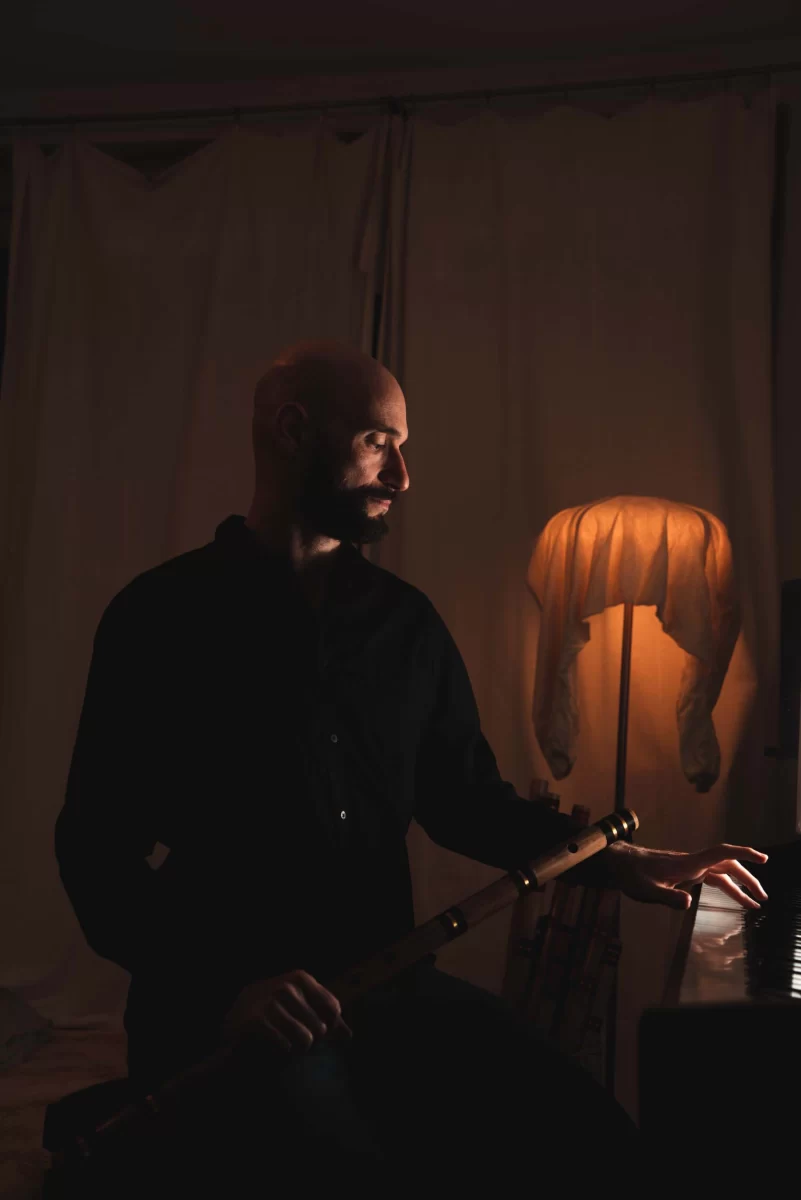
When we first take a camera in our hands, we always start with something simple. Something that can be found anywhere. For example, we start to do street photography or landscape or take pictures of flowers and insects. But photography has always been a way to express ourselves, and our vision of the world. So from the conceptual side, we start by simply copying the world. And then continue further to represent our ideas. We go from coping to expressing feelings. And this process takes quite a lot of time. It takes a lot of time to learn things, to learn the technical rules, and then you start to create as an artist.
If you wonder why your photos are bad, right now, you’re probably at the stage of learning technical skills. But if you can actually see that your photos are bad, you can create better images. Understanding art is about the same as intricate as creating art. The more I understood why my photos are bad, the stronger photographs I took. So learning art will also help you to learn how to take better photos.
And it all starts with something simple and continues on when you start to be an artist with a camera in your hands.
When You Look At Your Portfolio And Don’t Understand That Your Photos Are Bad

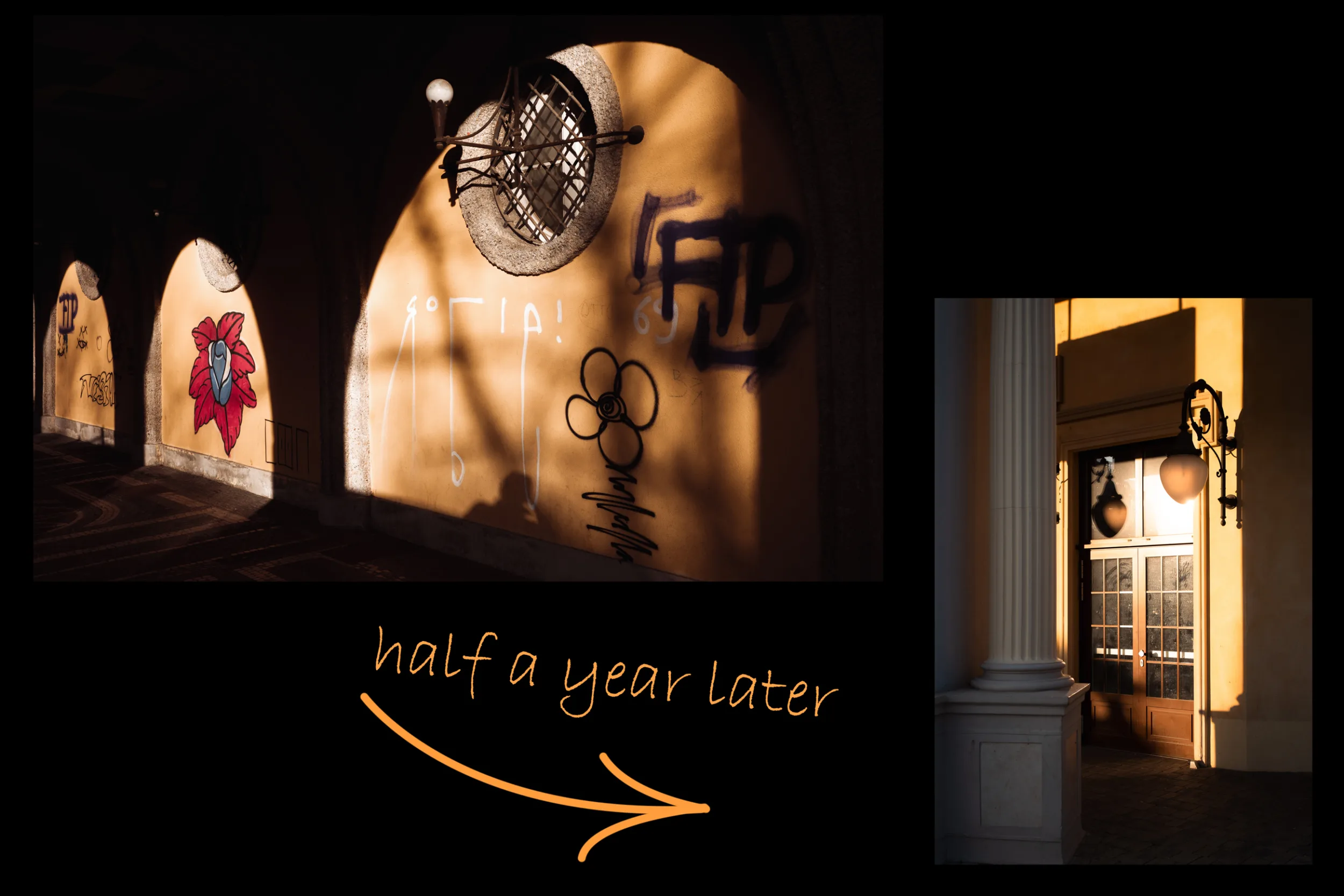
There were periods of time when I was quite sure about my portfolio, but then a few months later realised that it was quite bad. At first, I realised that my images are quite flat and the light there is very boring as well as the colours are dingy and dirty.
Over time I improved and learned all of these technical skills. And about one year later, I was again very sure about my pictures being good. Then I noticed that they are quite simple and a bit boring, they all go more into fashion photography and don’t have anything more in it than just style. And then I tried to input some life in them, some emotions and some character. I tried to do it all the time, but actually, my technical skills were always too low to actually input character in my photographs.
So if you ask me a year ago, what are my pictures like? I would say that my photos are good. But a few months later I would say they are bad.
And many times I have perceived them wrong. For example, recently I wanted to apply for an art residency in a gallery, but then I realised that I don’t have any pictures that I thought I have.
Thinking of myself as a fine art photographer, I realised that I don’t have as many strong fine art photographs to present them. So my opinion about my own body of work was completely wrong and I thought of images that I didn’t have there.
And I guess that happens with everyone.
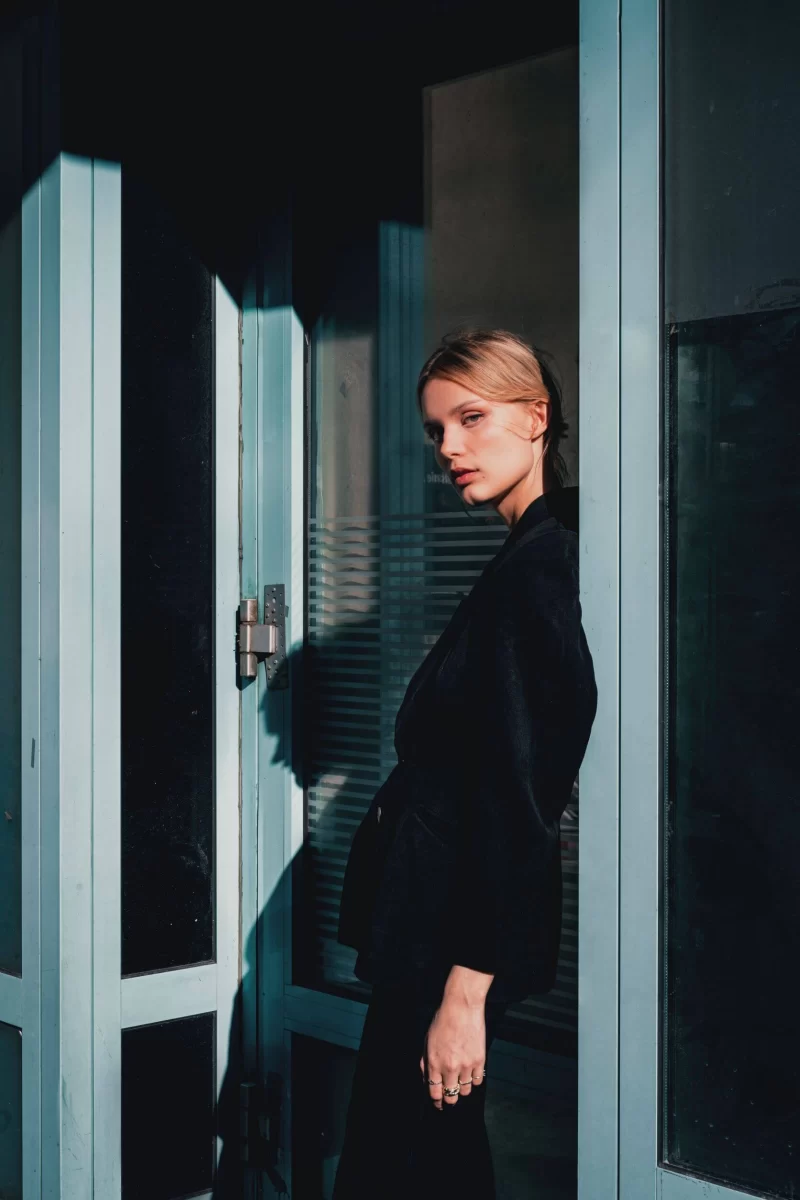
Your photos are bad! Really?
There’s no scale in photography or art. So it’s very hard to define the badness or goodness. You can make them correct though. Technically correct. But if you want to go beyond that you need to train at creating new concepts.
If anyone tells you that your photos are bad, they might be right but their photos might be bad too. And where is this line that you step over and your photos become good?
The only thing you need to do is track your progress and continue to learn.
Conclusion
Starting from the way we look at the world and the way we perceive our own works, we are biased. Your photos are bad. Most probably there are years of learning ahead and the best way to improve would be to get a habit to study every day, let’s say 30 minutes a day. You can read books about photography and art. Pass a course. Or simply draw concepts for your photographs.
There’s no scale in art and photography so all we can do is learn more and more until we realise that we are truly creating something completely new. I don’t know if it will happen to you or to me since there are 8 billion people and machine learning gets quite advanced too, so creating completely new pieces can get quite complicated. But we can have the joy of learning.
If you think that your photos are bad and want to learn faster, check out this post:
Top 10 Ways To Improve Photography Skills. Learn Photography Faster
Thank you very much for reading till the end! If you’d like to support me you can subscribe to my newsletter and visit my Patreon page. You can also check out more posts on my blog.