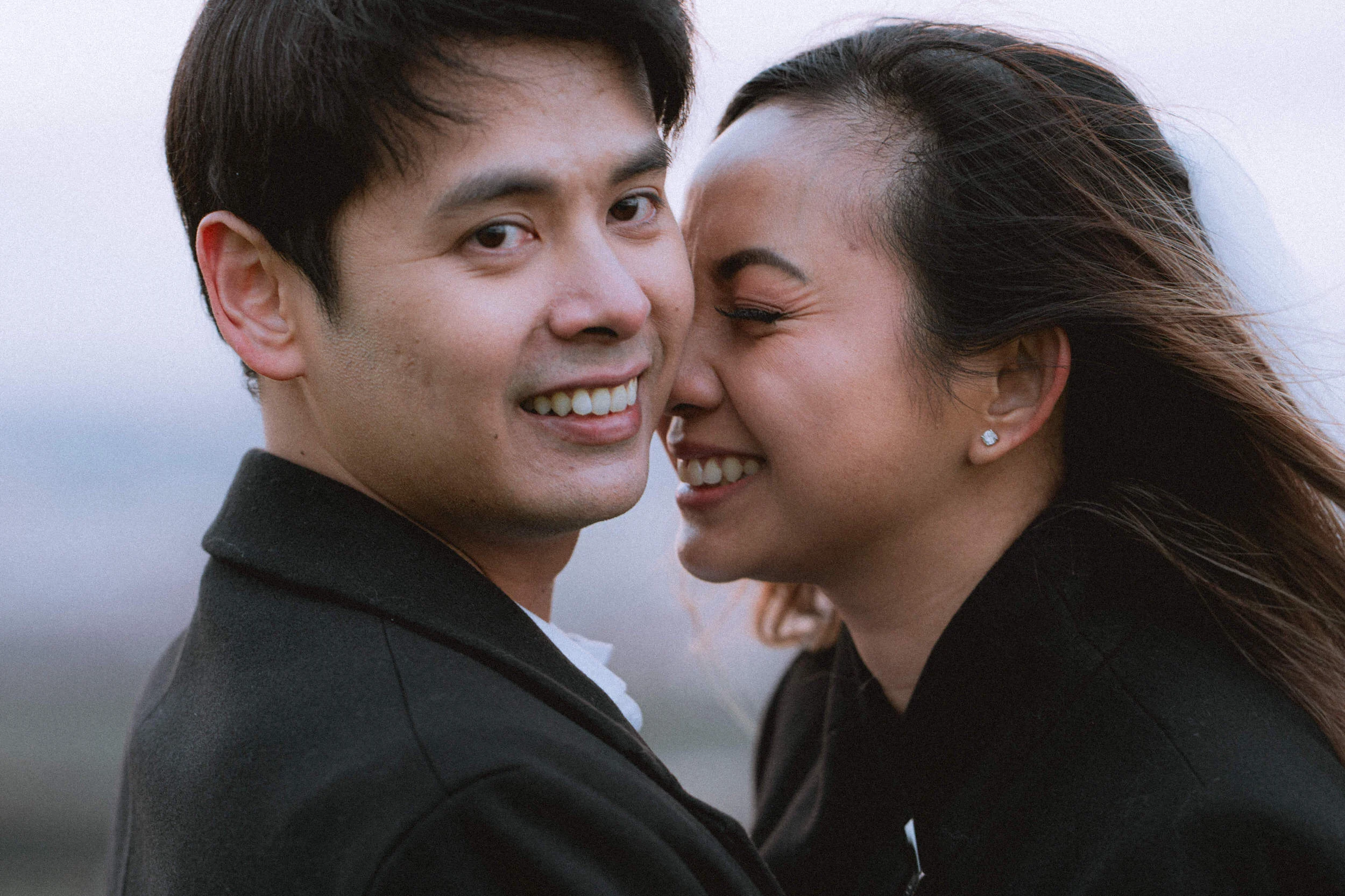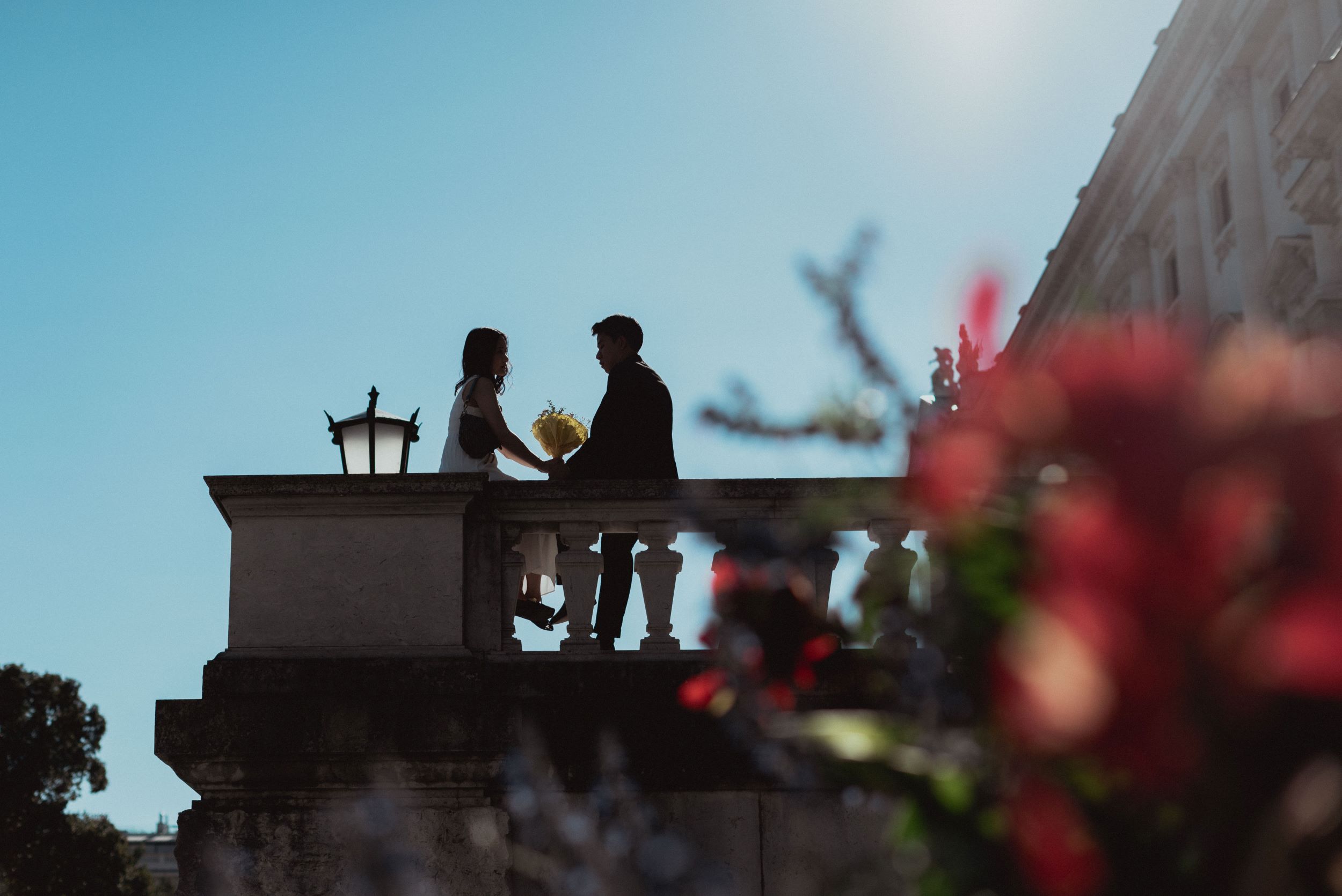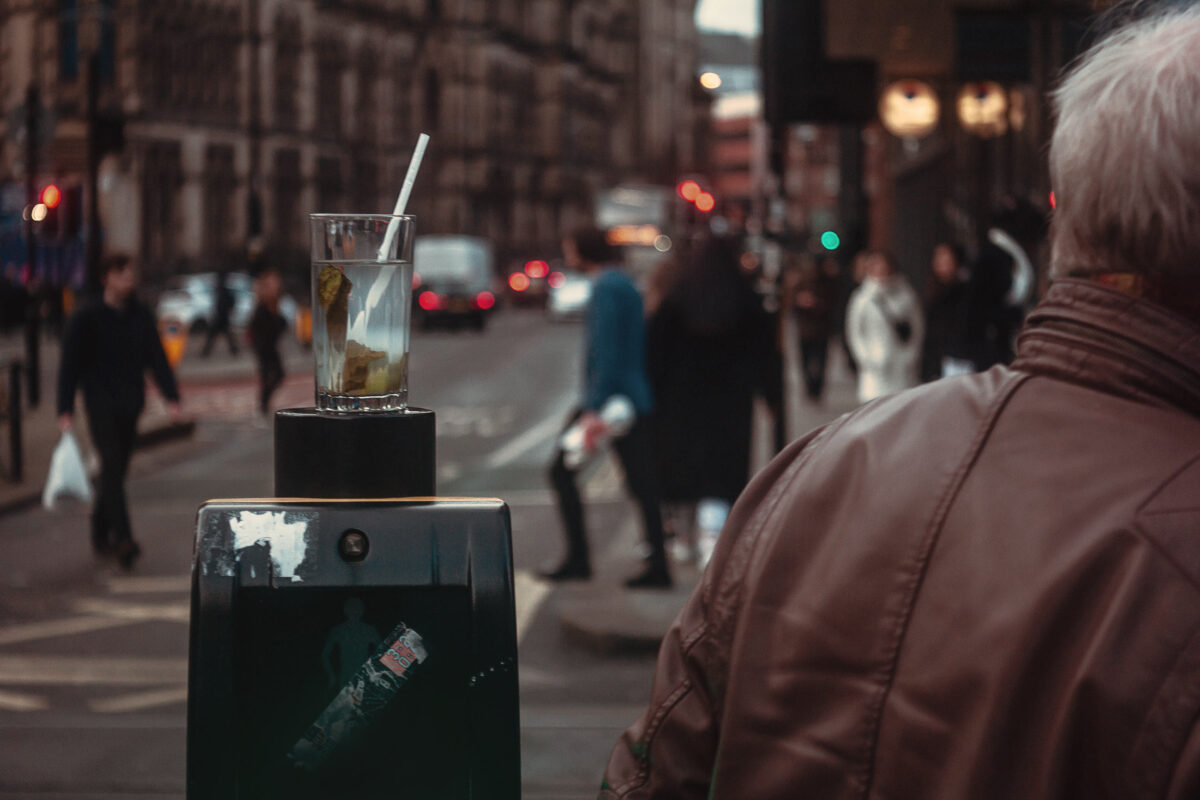
I have noticed that some people actually take a lot of attention to the shallow depth of field. I did the same a few years ago when I thought that taking a picture with an open aperture and a blurred background is a nice idea. Not having any new images of that style I had to search for a long time to find any pictures like these in my archives. The picture on the thumbnail of this post is 4 years old. I still do blur backgrounds sometimes but if a picture completely depends on the open aperture then something is wrong. Read this article till the end to find out what exactly and what can help you to take better photos.
Of course, many people like to do photography on a cloudy day since the light is softer. It’s easier to not overexpose or underexpose the shot. The downside is that everything looks evenly lit and flat. Especially in the pictures when the background is of the same lightness as the foreground, your eye doesn’t distinguish the difference. Then the aperture comes and blurs the background out helping to focus the viewer’s attention on the main subject.
Open Aperture: Easiest but not the best way

Many people like bokeh. You can achieve that with an open aperture. But what’s the most useful in having a shallow depth of field is that you can blur the background and have fewer details there. That is the easiest way to separate your subject from the background. That’s also one of the ways that will make you learn slower.
Why it is better to not use shallow depth of field
Having a shallow depth of field will instantly make a shot look more appealing when you are only at the beginning of your photography journey. For example, if you want to take a picture of a window frame then:
A shot like this
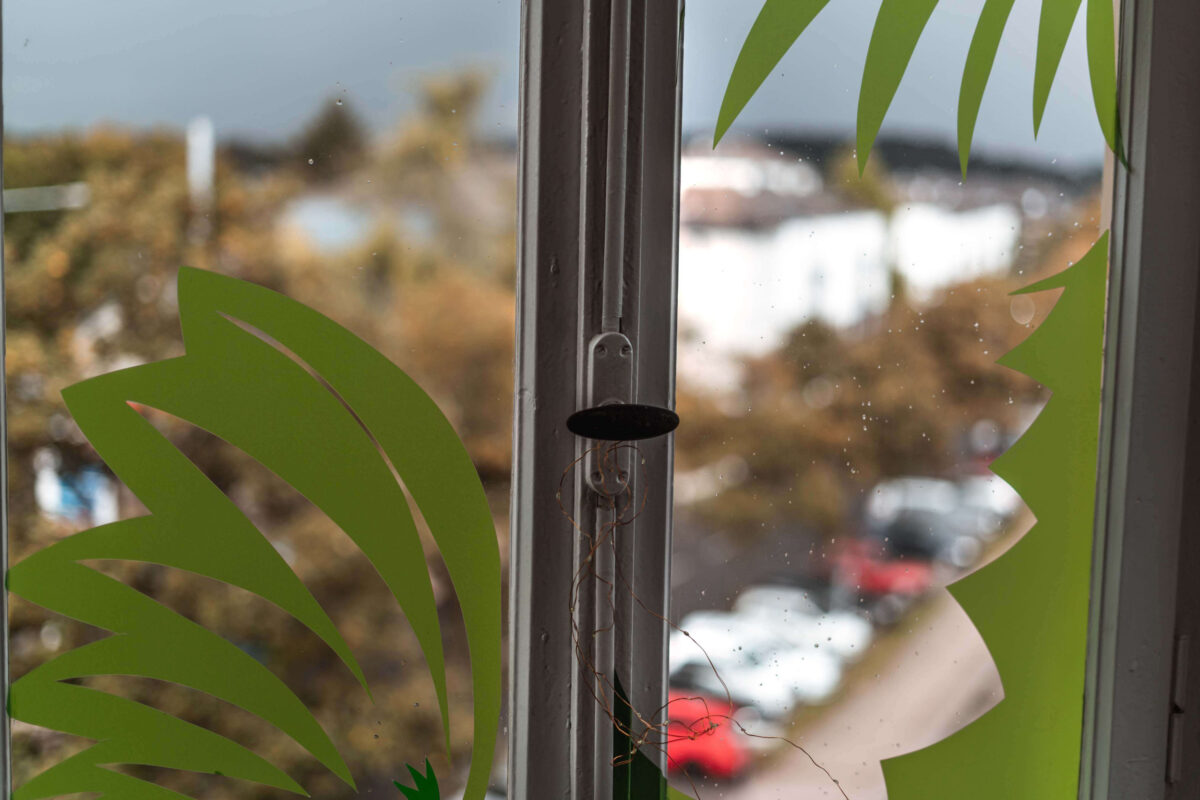
For sure is better than a shot like this
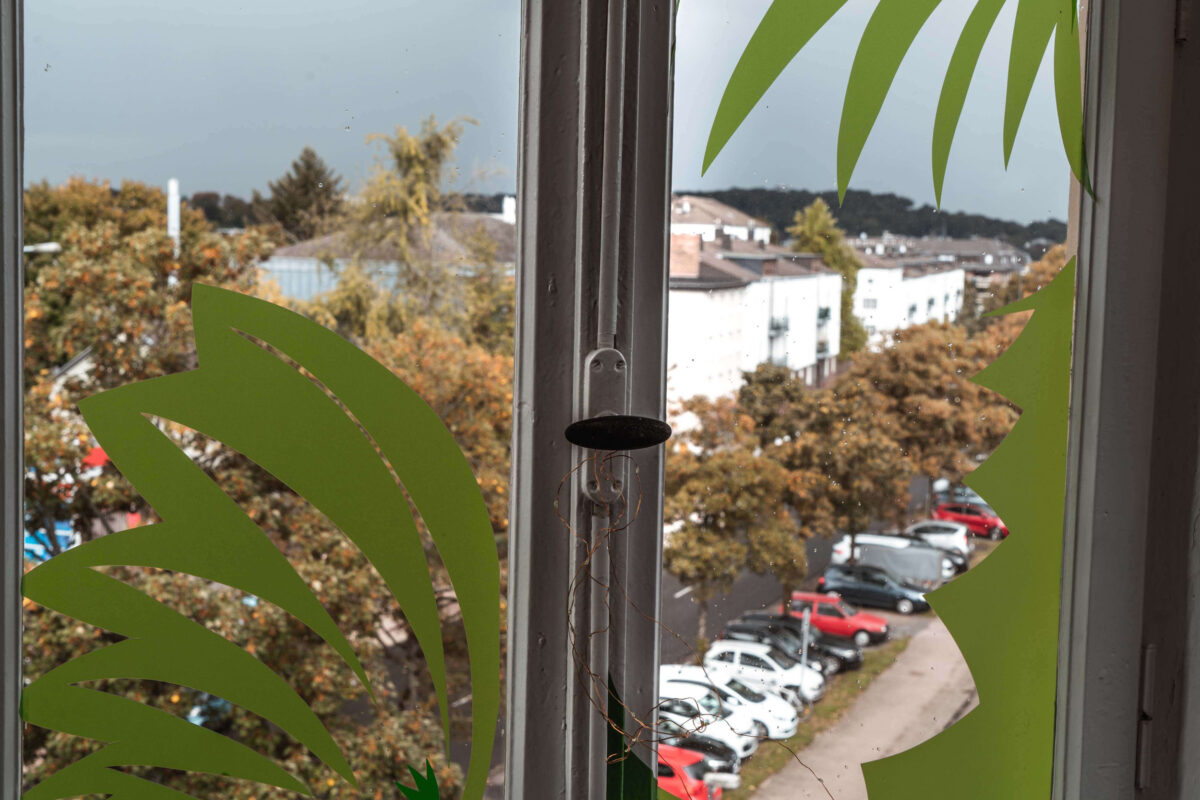
In the first shot, we have one main subject which is not lost among all of the details – the window frame. It’s not an exciting subject but still, it’s the centre of the photography composition.
The second shot doesn’t even have a subject. Since everything is in focus you can’t tell what I wanted to shoot, the frame or the background. If I wanted to shoot the frame then the background distracts, if I wanted to shoot the view from the window then the frame is covering it right in the middle.
Using a shallow depth of field is a quick solution that as in the example above can make a picture more focused on the main subject. But using that won’t help you to improve at photography since it’s a quick solution that doesn’t challenge your skills. You can either open the aperture or adjust your composition. You will get the same result: focus the viewer’s attention on your subject. But only a good understanding of the photography composition will help you to do that. Simply blurring the background is a very simple solution that nevertheless will limit your abilities very much. When shooting an object against a blurred background you have only 2 layers: the foreground and the background. When you use mostly your compositional skills instead, you can have multiple layers and make more complex images.
Shots with a closed aperture but the better composition
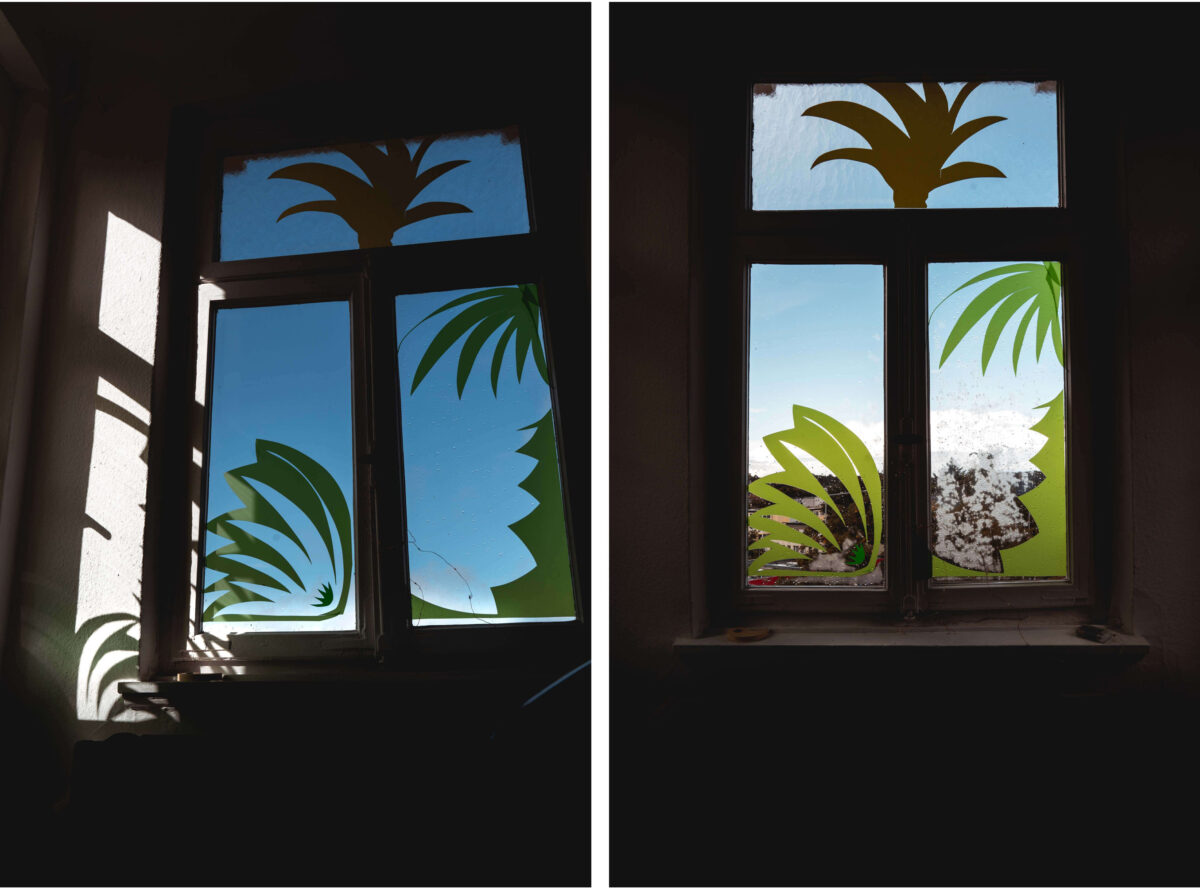
A better example of a shot of a window frame would be something like the shots below when you can clearly see the shape of an object and you don’t get distracted from it. And you don’t need an open aperture and shallow depth of field when you can create a good photography composition. (it’s not my window with this awful design, it’s an Airbnb place)
Why rules are important
These are not just rules and technical things. It’s not like: “photography is art so let’s not focus on the rules”. These are things you need to master first to be able you express your thoughts and feelings through this medium. In that sense photography is a language. Imagine me making errors and typos in every second word. Would it be that nice to read my articles?
I’m telling that because this is what I thought when I was starting out. I didn’t want to follow the rules. The ability to understand the level of your skills is on the same level as your actual skills. So understanding of the importance of the rules came to me when I learned them myself.
Do master photographers use a shallow depth of field?
Try to search for famous photographers and the ones who stand out. Try to find where they actively use shallow depth of field. Henri Cartier-Bresson, Irving Penn, Annie Leibovitz, Dorothea Lange… don’t use/didn’t use shallow depth of field as their main tool. Their main tools are ideas and concepts, then composition and light.
Experienced photographers can use shallow depth of field but they would rarely rely on it when creating a photograph.
I have never heard from someone who mastered photography for many years that you don’t need to follow the rules of composition or the theory of light in photography to create a good photograph.
Push yourself out of your comfort zone.
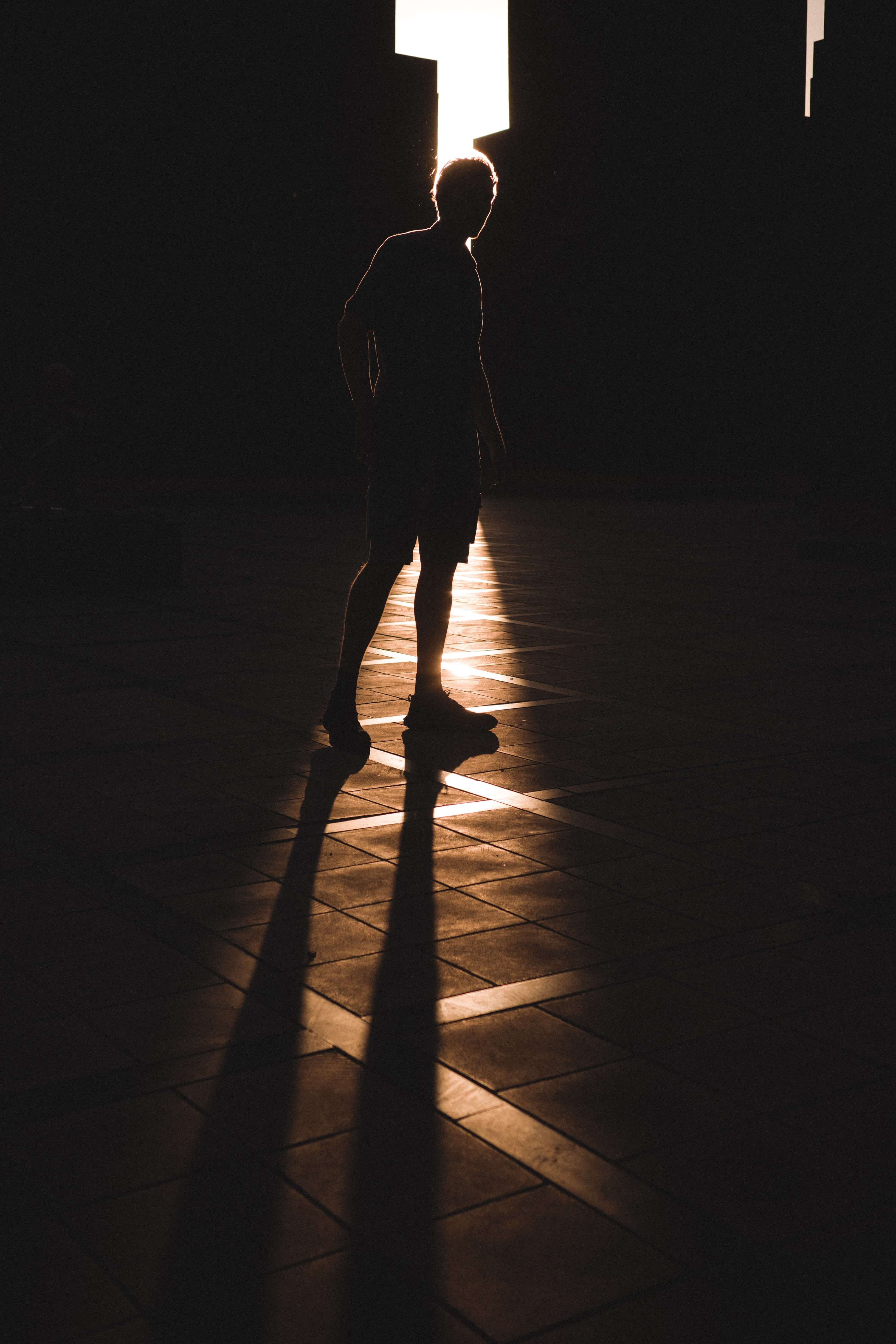
To learn almost anything new of course we need a higher level of awareness and to have new impressions. We have to struggle at least a bit and be excited about things. That way we remember them better. When you have your routine you won’t be able to improve what you’re doing. When you go out and photograph different things from time to time, sure sooner or later it becomes your routine. That’s why for educational reasons a few times I went out with an 18mm lens.
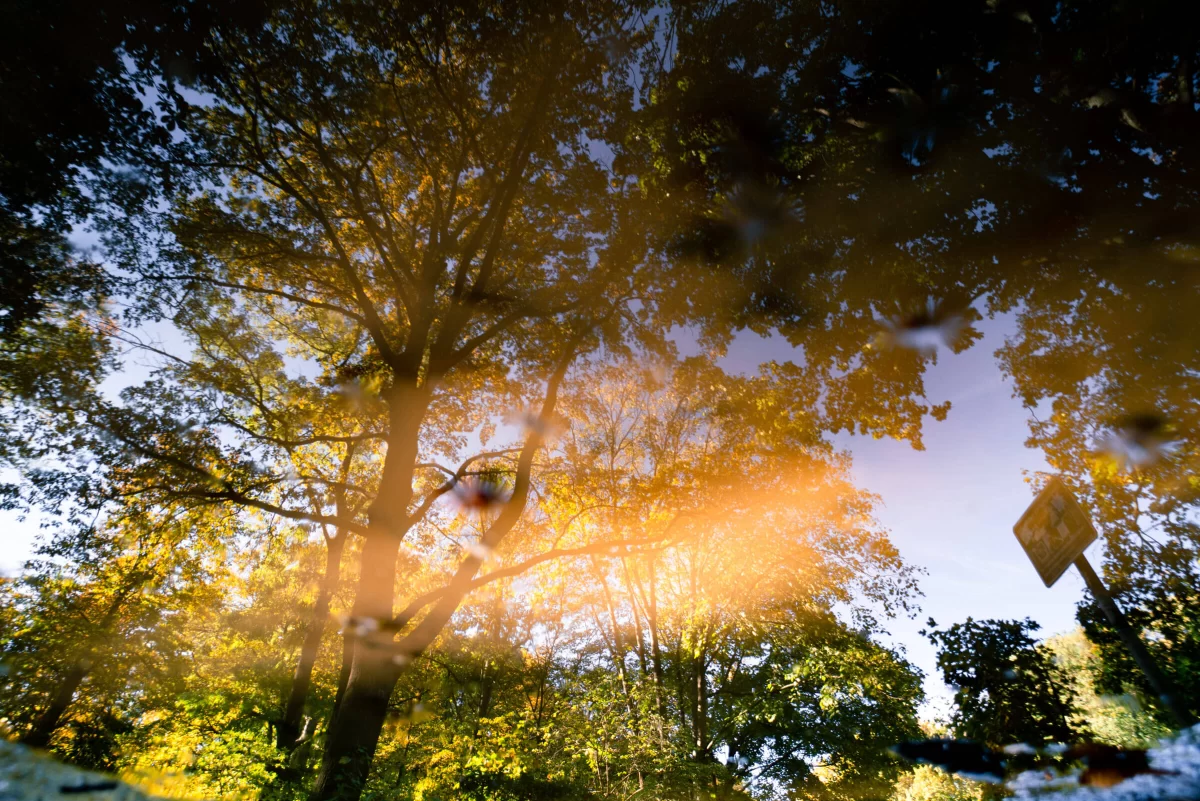
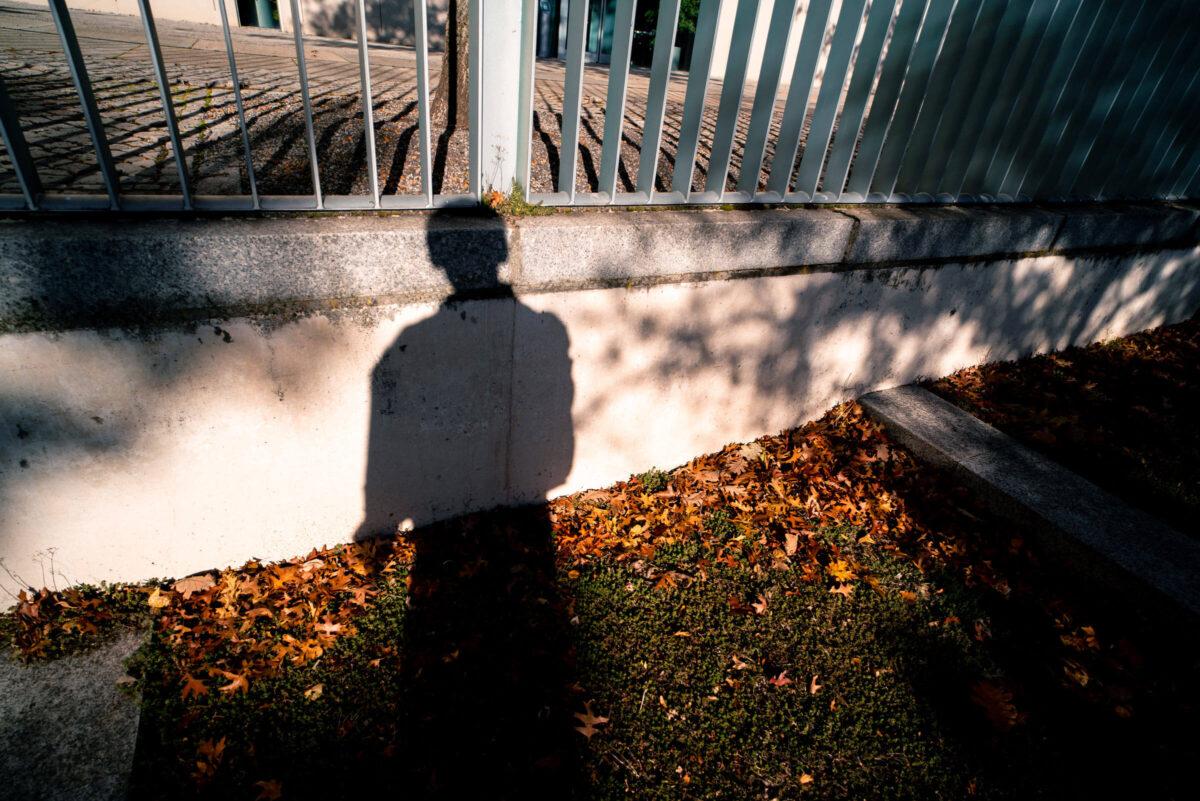
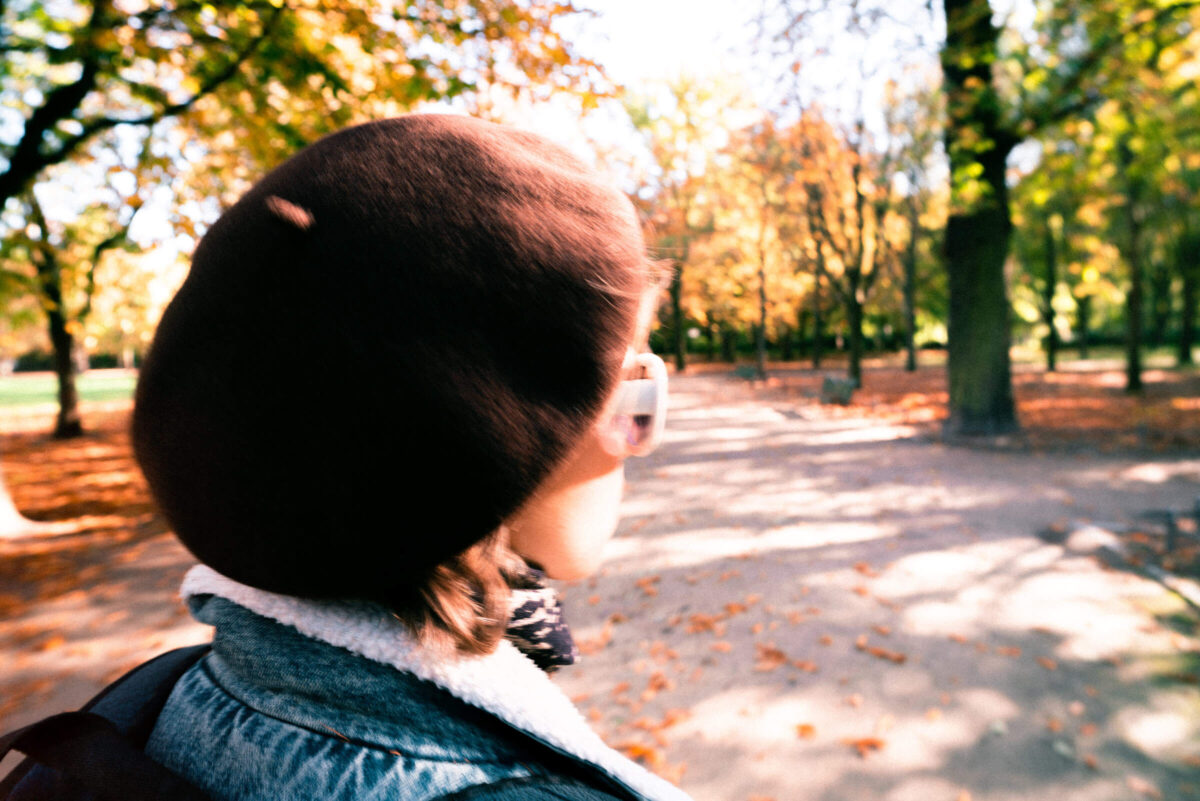
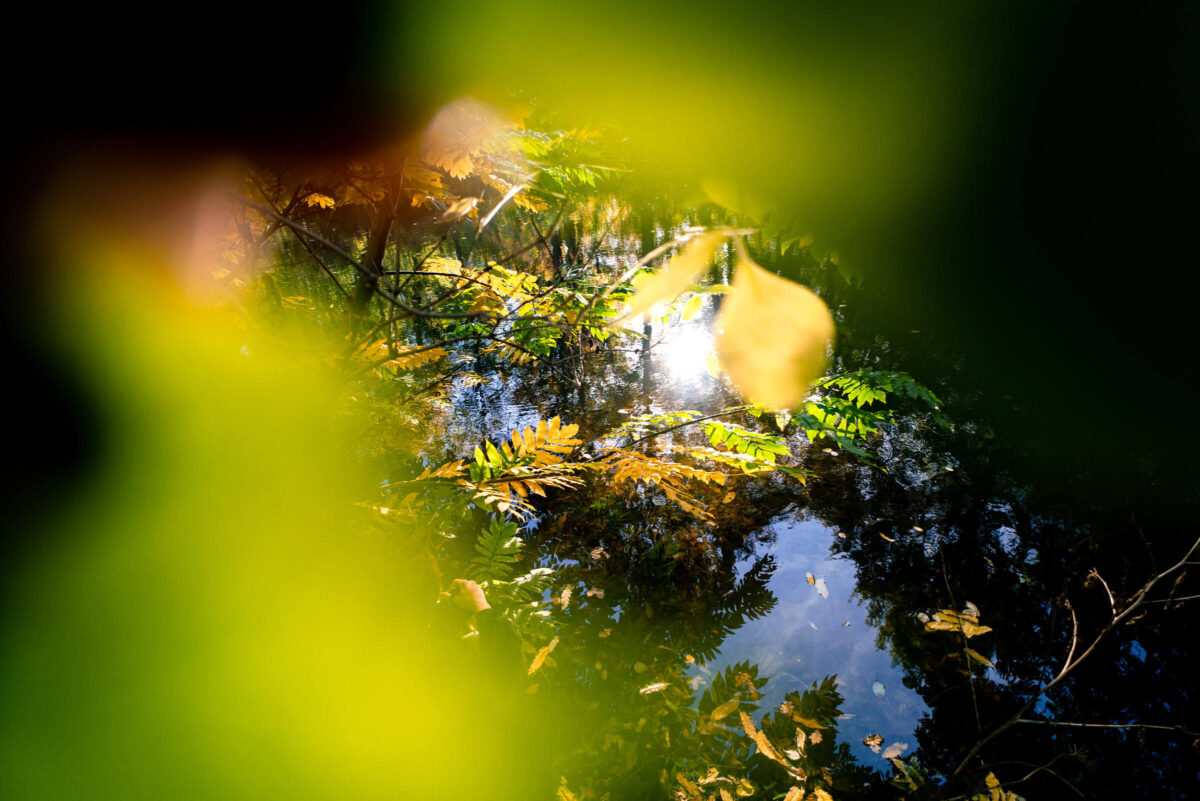
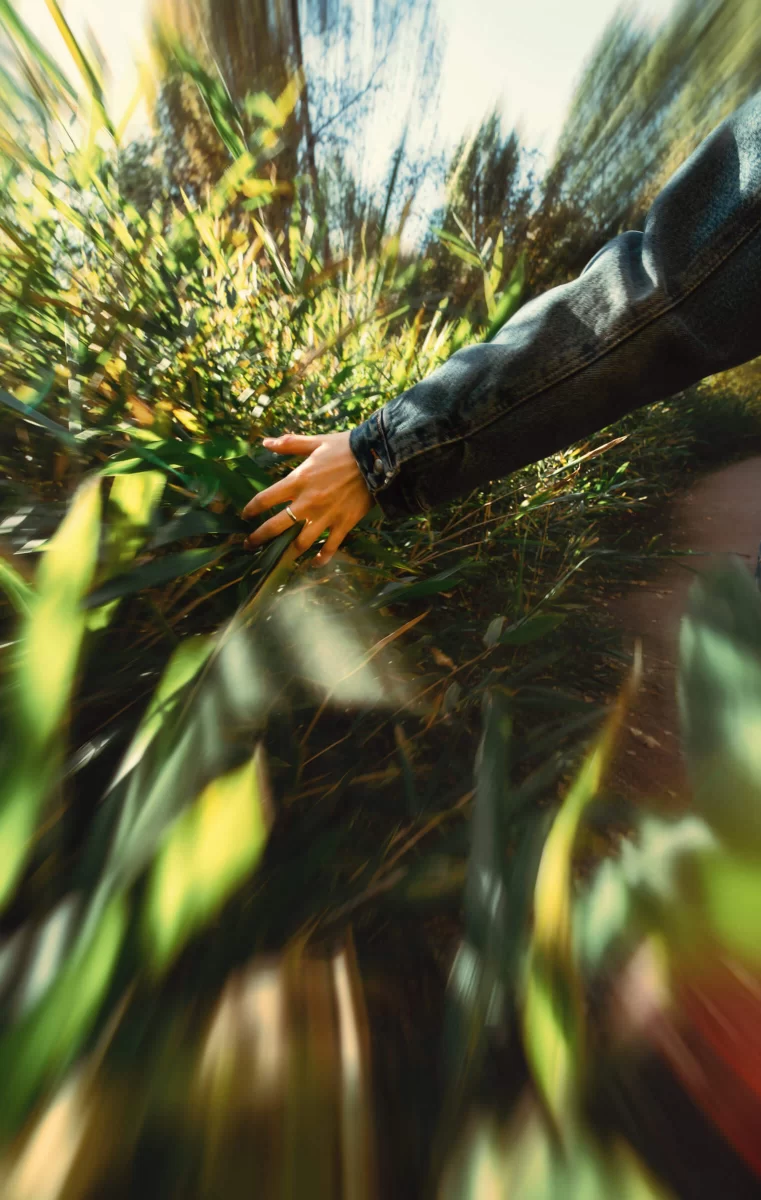
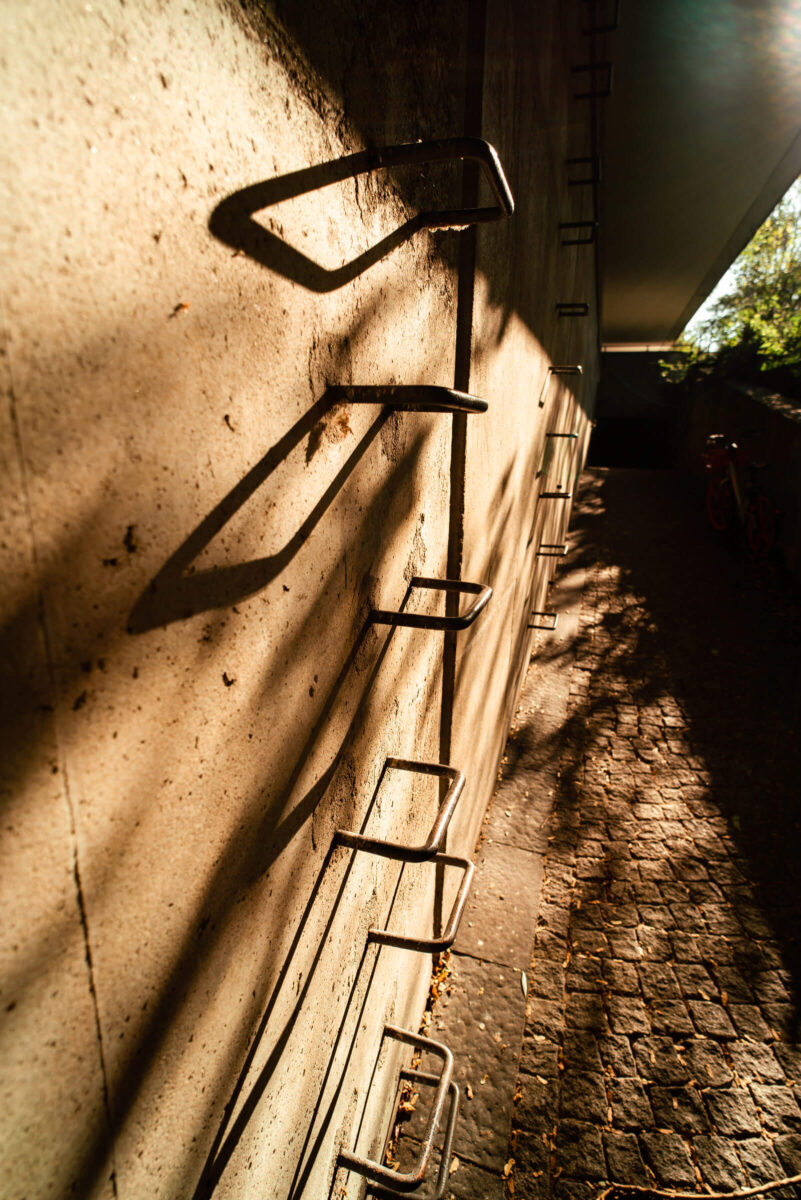
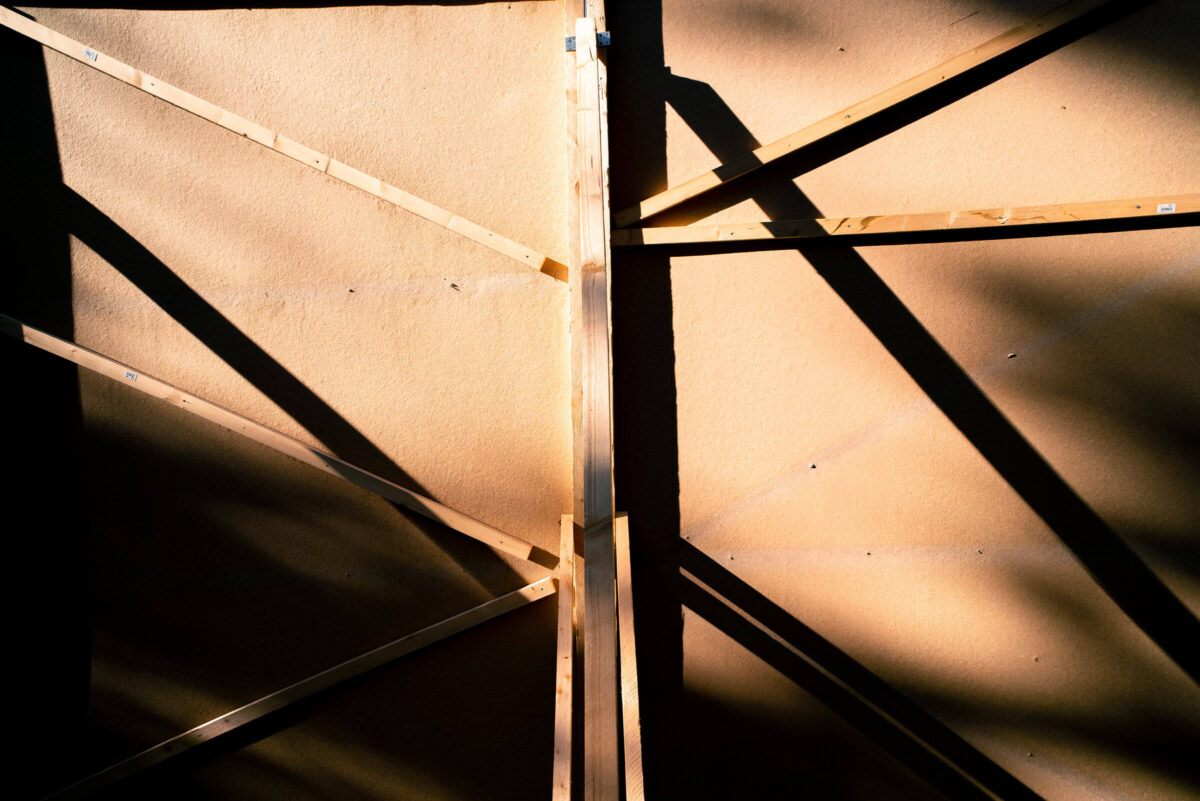

It’s very hard to take good pictures with this lens since the angle is too wide and everything around me gets in the frame, so I put myself out of my comfort zone when taking pictures with it. I go out and try to find frames which will be at least not bad.
About putting yourself out of your comfort zone you have probably heard a lot of times. And in my opinion, it’s not only about going for an extreme hike or anything like that. Here is a very famous quote that I completely agree with:
If you feel safe in the area you’re working in, you’re not working in the right area. Always go a little further into the water than you feel you’re capable of being in. Go a little bit out of your depth. And when you don’t feel that your feet are quite touching the bottom, you’re just about in the right place to do something exciting.
David Bowie
What can put you out of your comfort zone is closing your aperture. If you got used to photographing cafe signs, or some other exterior designs with an open aperture and a shallow depth of field, it will give you a challenge. You will have to find such angles where your cafe signs will look good and not lost among other things which you usually blur out.
Except for closing the aperture, you can use only prime lenses
Combine this approach with using a prime lens and do that for a significant amount of time. At least a month, but better, until it will become your comfort zone. That’s when you have to start searching for a next challenge
I hope you liked this article and I would like to encourage you to try shooting only with a closed aperture and set the focus of composition on the main subject. After some practice, you will see what works and what doesn’t.
If you’d like to see more articles like that, you can subscribe to my newsletter where I post updates about this blog. And you can also go to the main page of this blog and check out more of my articles there.
Thank you for reading till the end!