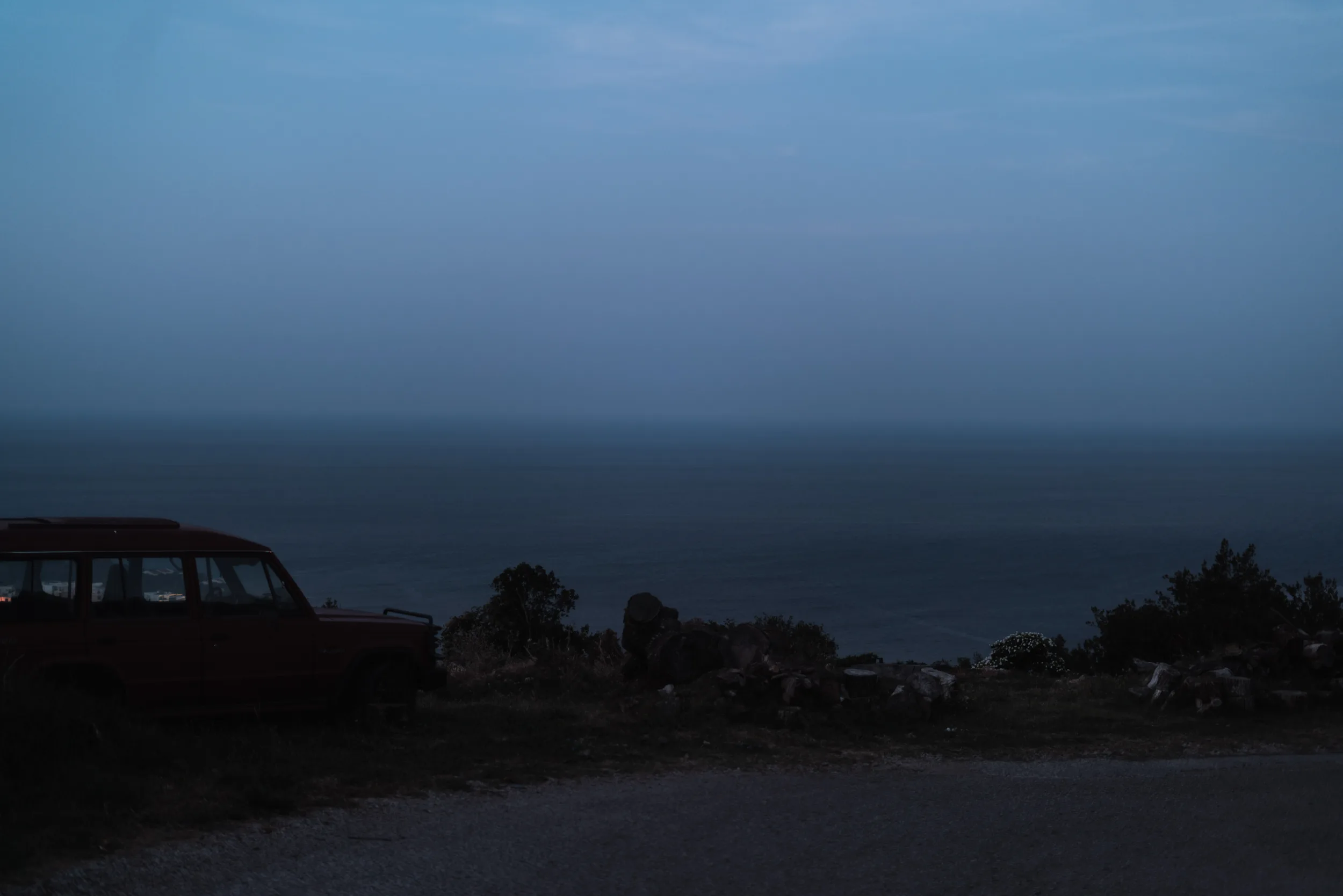
If you want a cinematic style then static composition photography is your choice! Everyone has their own approach and style in photography, and I’m no exception. I often lean towards dynamic compositions—ones that thrive on movement and diagonal lines—but sometimes, it’s refreshing to pause and create something completely still. Static composition photography offers that pause, where, for example, a building’s wall becomes a canvas and a quiet story unfolds in front of it, without much movement or complexity. Let’s explore how this style can bring balance and harmony to your work as the same time levelling up the storytelling.
Table of Contents
What is Static Composition Photography?
For me, static composition photography is about creating balance and order within the frame. It’s a way to strip away chaos and present something clear, structured, and soothing. By using stillness, straight-on angles, and symmetry, you can let your subject naturally take centre stage without distractions. AND this approach is quite cinematic.
Static compositions that are quite cinematic
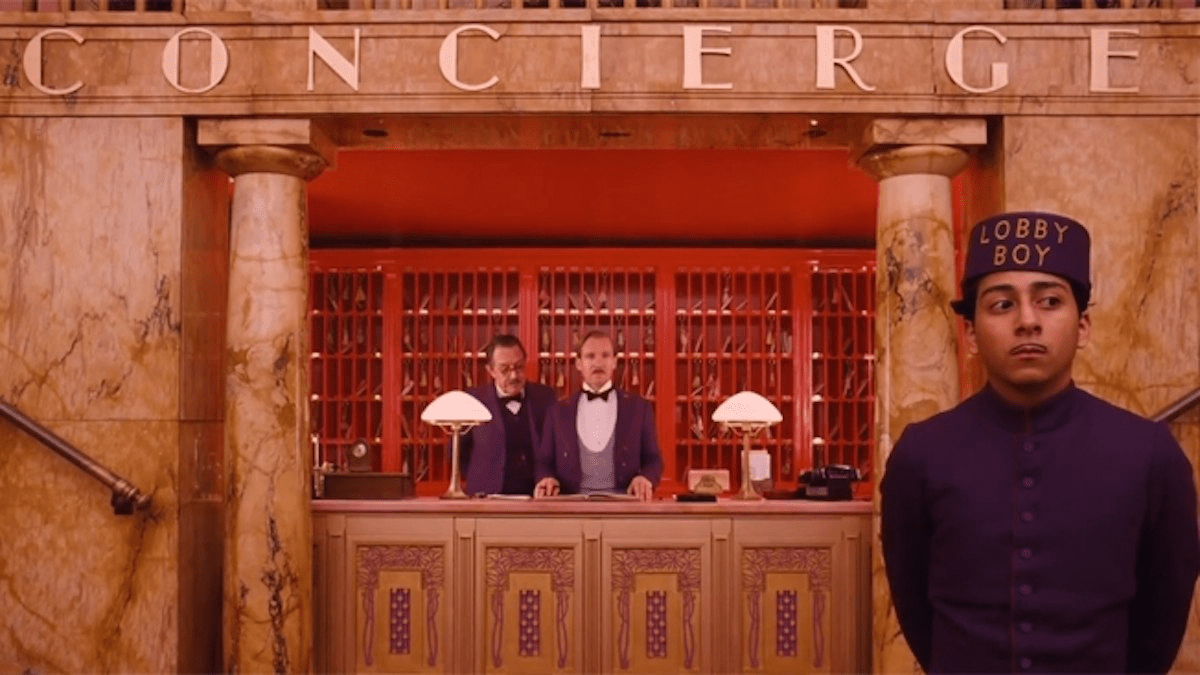
This approach reminds me of Wes Anderson’s distinctive style, where symmetry, straight-on framing, and deliberate placement of elements create compositions that feel like carefully crafted works of art. Grand Budapest Hotel is the movie that uses this type of composition extensively. It’s a great source of inspiration for bringing a similar sense of order and storytelling into my own work.
Other example you can find it many artistic films, and, what I’m sure of, you have already seen many frames like the ones I’m describing. It’s usually about some scene where the character’s story unfolds. Sometimes it does look a bit surreal as probably we rarely look at things straight on, and the frame looks like a stage for the story happening there.
Yet, if you keep reading until here you would agree that it looks cool!
The Psychology of Balance
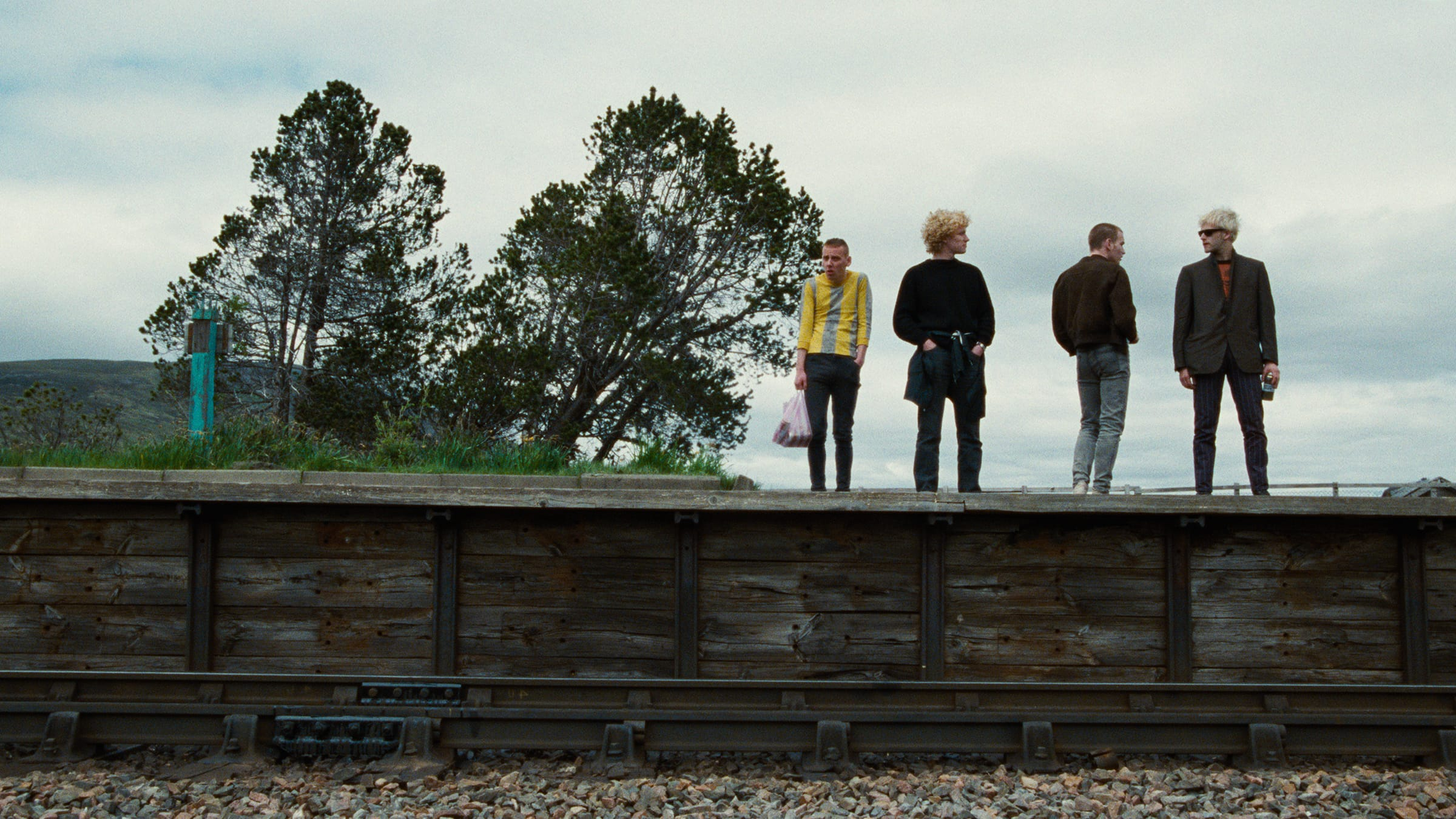
Symmetry and order seem to resonate deeply with us. It’s something I’ve noticed again and again—people instinctively connect with balanced photography. It’s like tapping into a universal sense of harmony that feels both familiar and satisfying. As I’ve said in the previous posts there are 2 types of enjoyment and one of them is subconscious when you’re comforted by how balanced the frame looks. You – don’t need to make an effort to look at the frame and it feels comfortable to enjoy the photograph.
Framing Techniques for Static Compositions
Straight-On Shots for Simplicity
When I shoot straight-on, I aim to remove distractions and present a clear, straightforward perspective. It’s perfect for street shots, portraits, and even product photography. This technique makes it easier to highlight the subject while keeping the frame organised. While you can have dynamic placement of subjects, the frame itself is static like a stage in theatres.
In the screenshot from Grand Budapest Hotel film above you can see that the shot is very simple and straight on while the subjects are placed dynamically, even (kind of) breaking the rule of thirds, making it a bit uncomfortable to look as the boy.
Clean Lines and Geometry
I’m always on the lookout for natural lines—roads, buildings, or furniture—that can guide the composition. Aligning the frame to make the most of these geometric elements aligned to have straight horizontal and vertical lines, without diagonals adds a sense of precision and balance.
Portraits

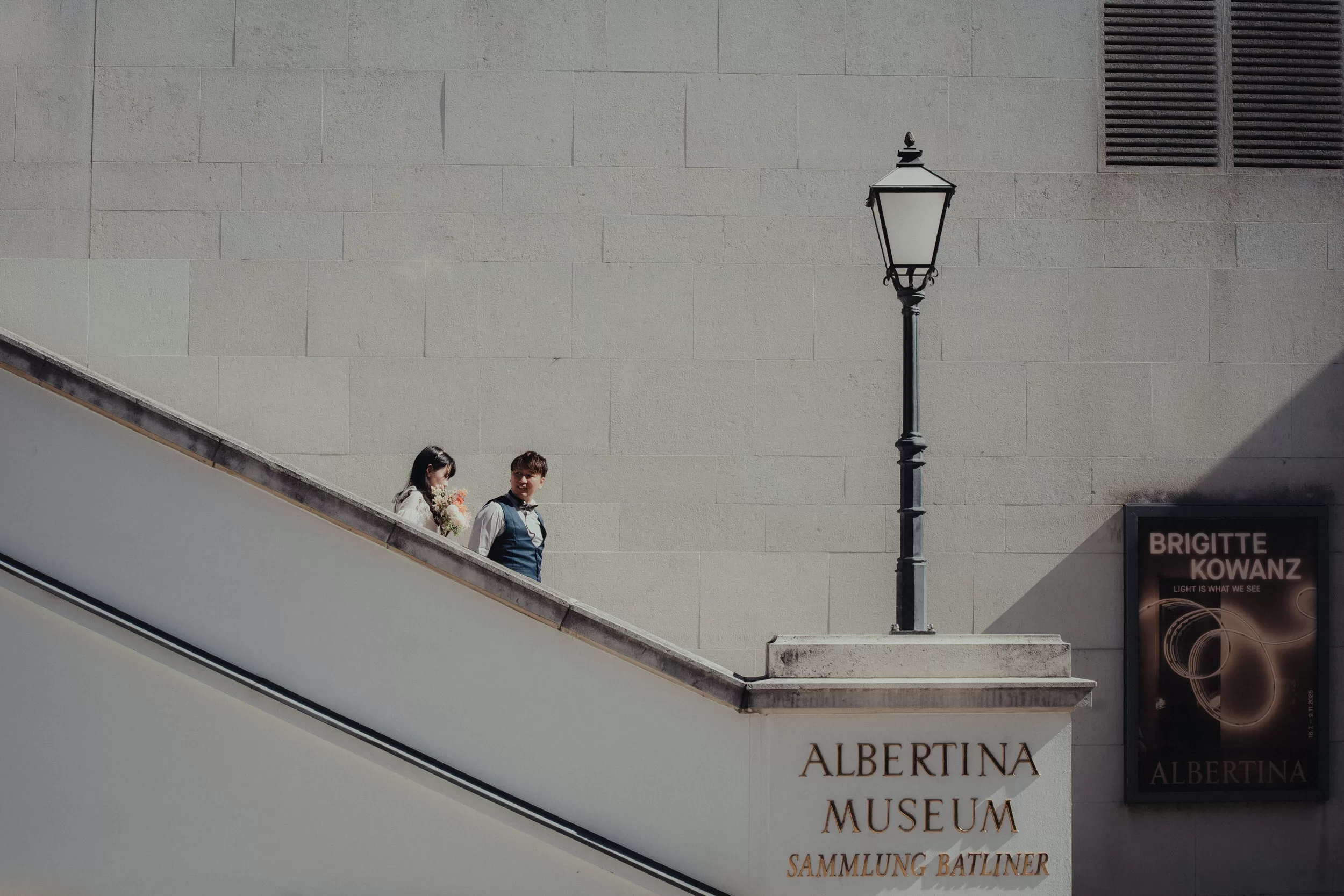
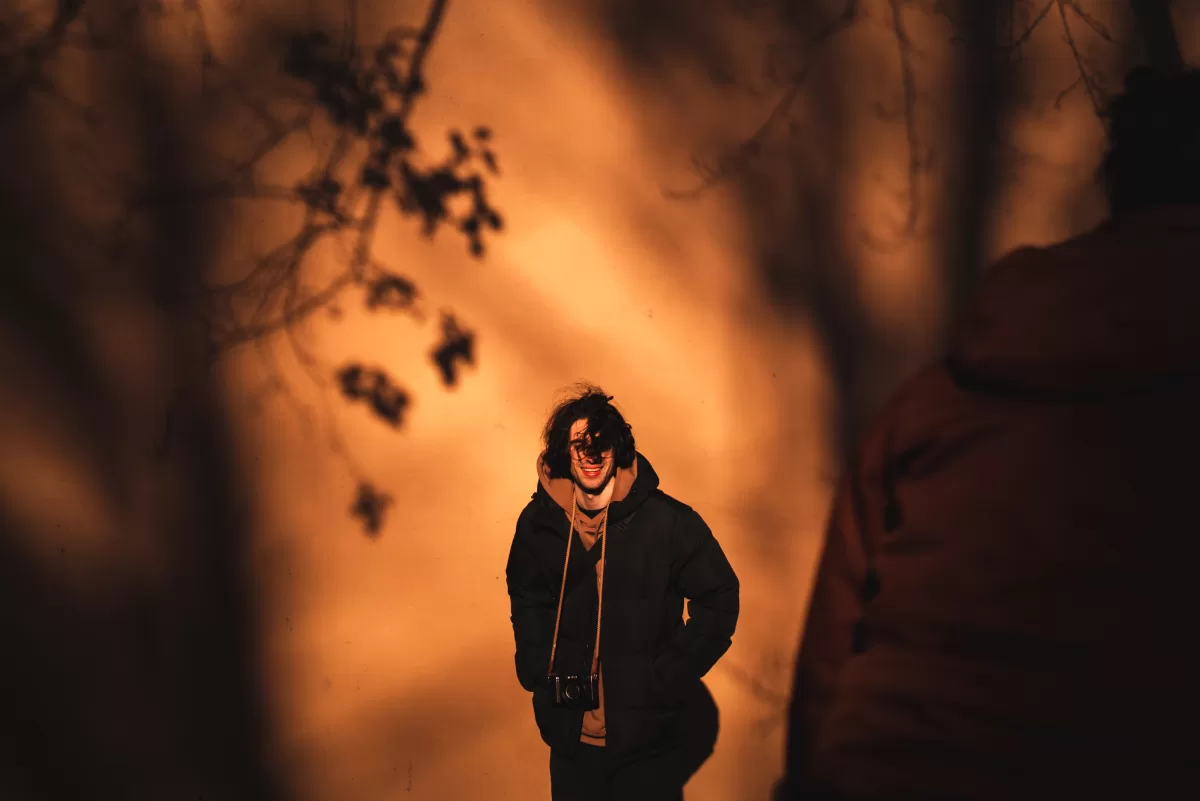
Background for a portrait is quite important. While I would say classic portraiture with the person in the middle of the frame has its limitations. It’s more interesting to place people within the frame as a storytelling technique, rather than having complete separation between the subject and the background. But we always need to start with something simple.
Photographing straight-on offers you an easier way to have a big texture on the background that won’t bring too much distraction. For that find a plain wall or an arc and ask the model to stand in front of it. Then shooting straight-on will let the simpler background to occupy more space within the frame.
The Art of Stillness
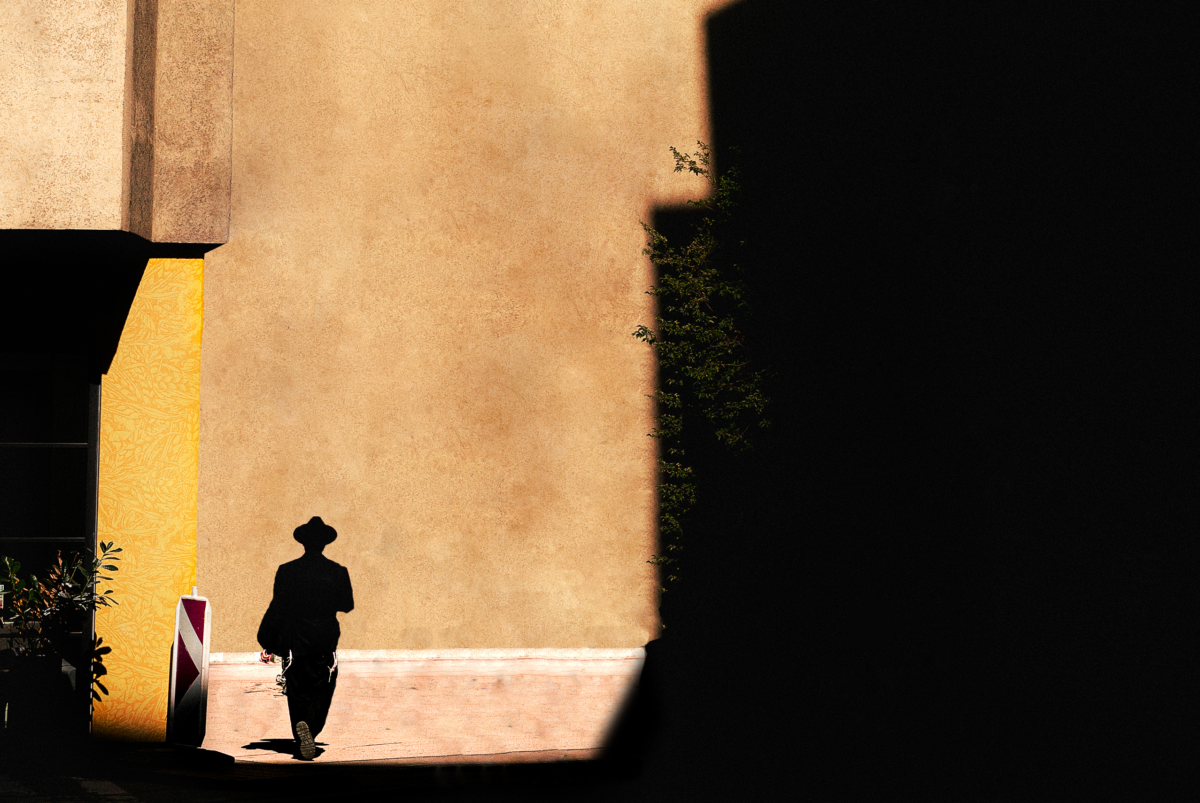
To me, stillness in photography doesn’t mean the absence of life. It’s about pausing a moment to create focus. Whether it’s a quiet street, an unmoving portrait, or a carefully arranged scene, stillness has the power to tell a story that lingers.
Creating Harmony Through Depth
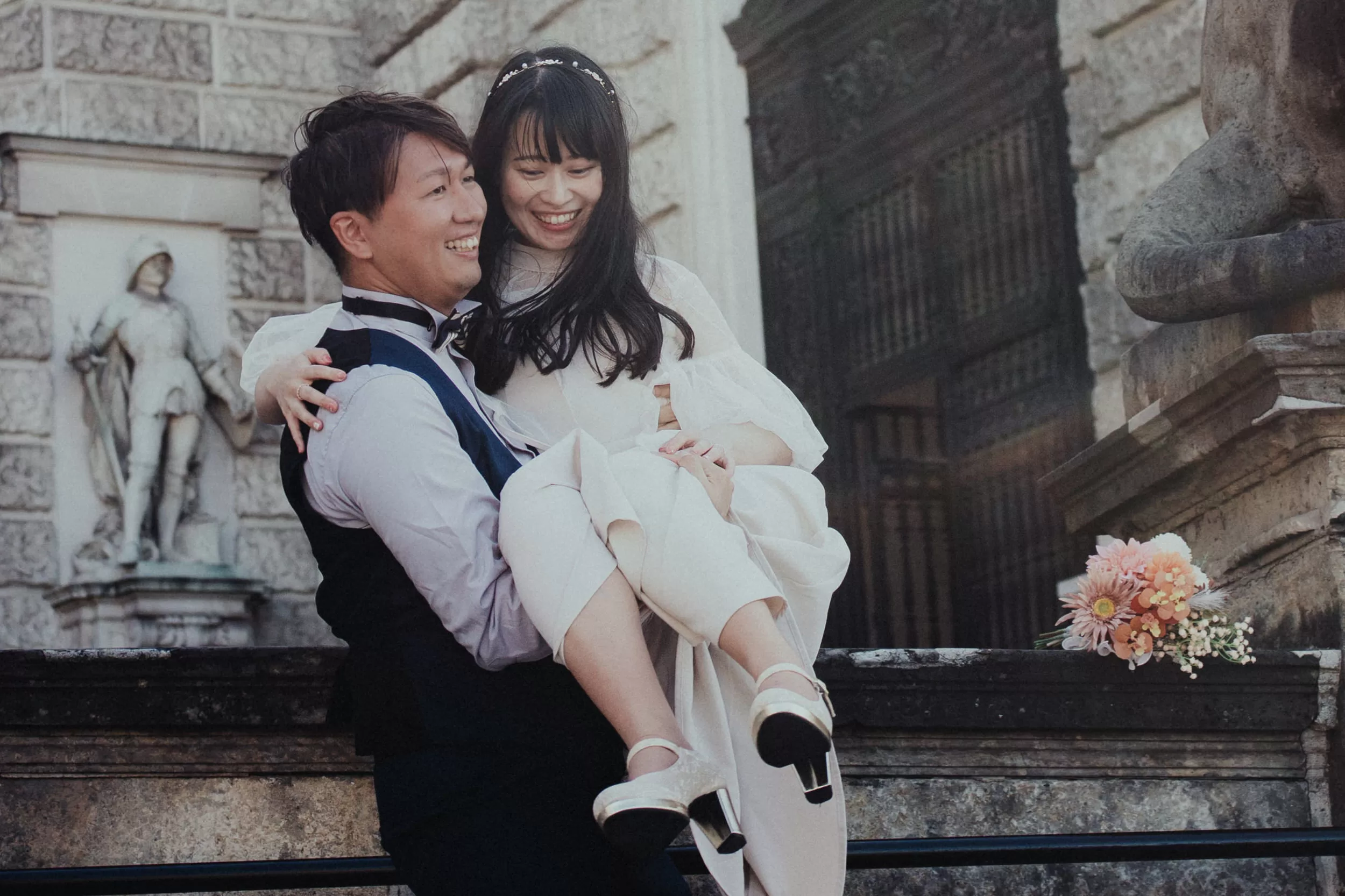
Static compositions don’t have to feel flat. I like to use depth to layer elements in the foreground, midground, and background. This keeps the image balanced while adding richness to the visual story. Your background is flat while the subjects can be also placed dynamically (like in the photo below).
The Role of Space in Static Frames

Symmetry and Structure
For me, symmetry is at the heart of static composition photography. Whether it’s naturally occurring or carefully arranged, symmetry creates a sense of order and predictability that viewers find comforting.
The Power of Negative Space
Negative space has become one of my favourite tools. It helps to declutter a composition and draw focus to the subject. Leaving some breathing room around the focal point makes the entire frame feel clean and balanced.
Straight Lines and Perfect Angles

Achieving straight lines and precise angles is something I take seriously. I rely on tools like tripods, spirit levels, and camera grids to get everything just right. With enough practice, this becomes second nature and elevates the quality of your compositions.
Props and Minimalism
Arranging Props Thoughtfully
When I use props, I keep them simple and deliberate. Overloading the frame with too many elements can ruin a photo, so I choose a few items that enhance the composition.
It’s usually not more than 2-3 focus points in a composition that work good together like a person and a tree. Static composition photography requires you to have not too many details, especially when you shoot straight anything odd may ruin the composition.
Embracing Minimalism
Static composition photography often benefits from minimalism. I love focusing on just a few carefully chosen elements to create impactful images that feel serene and uncluttered.
Minimalism at the same time helps the viewer focus on the subject. If you don’t overdo it until it becomes boring, static composition photography will help you get very decent shots.
Everyday Static Scenes
You don’t need anything more than a camera to practise static composition photography. Some of my favourite shots come from everyday scenes that can be found on the streets- it could be a man walking out of a nice cafe where storefront is your frame. These moments offer endless opportunities for balanced images with frames within frames.
Technical Tips for Balanced Frames
- Select the right lens: I’ve found that wide-angle lenses can distort symmetry, so I prefer lenses that maintain natural proportions.
- Utilise camera grids: These grids help me align the shot perfectly, especially for straight-on compositions.
- Use in camera level: You will still get tilted horizon line sometimes but with the level in camera you can take most of such shots well composed straight away.
- Allow some space for cropping: these compositions having a lot of horizontal lines are sensitive to the tilt of your frame but also to objects on the edges of the frame. It’s best to capture thing perfectly on the spot but if you have just a bit of extra space you will be able to easier fix the errors when editing
Editing Techniques
Post-processing is where I refine my static compositions. Adjusting horizons, straightening lines, and cropping can make a big difference. When I crop the image I usually try to find the edges of my background object (wall, building etc.) then I crop to the edges of this object to have the frame fit it perfectly.
One feature, that may help a lot if you’re using lightroom is Transform section:

Imagine your frame is a facade of a building and obviously you photograph it from below. Then the vertical transform adjustment will help you with that problem of having your photograph not shot directly straight on.
Conclusion
Static composition photography is something quite storytelling, it helps to focus on the subject in the frame more than the background. By focusing on balance, straight-on framing, and clean lines, I’ve been able to capture quite minimalist and cinematic imagery. When I shoot street photography or stage thoroughly, embracing stillness has elevated my work and made my photography more meaningful. I hope these ideas inspire you to explore this style and create still frames with lively stories within.
Check out more techniques to improve your photography skills.