Learning photography involves both theoretical knowledge and practical experience. While some people focus on gear or technical aspects I realise that the right approach is when you learn all the aspects at the same time and remain open to everything.
Table of Contents
Here are some steps that can help you start learning photography:
1 – Make sure you Understand the basics
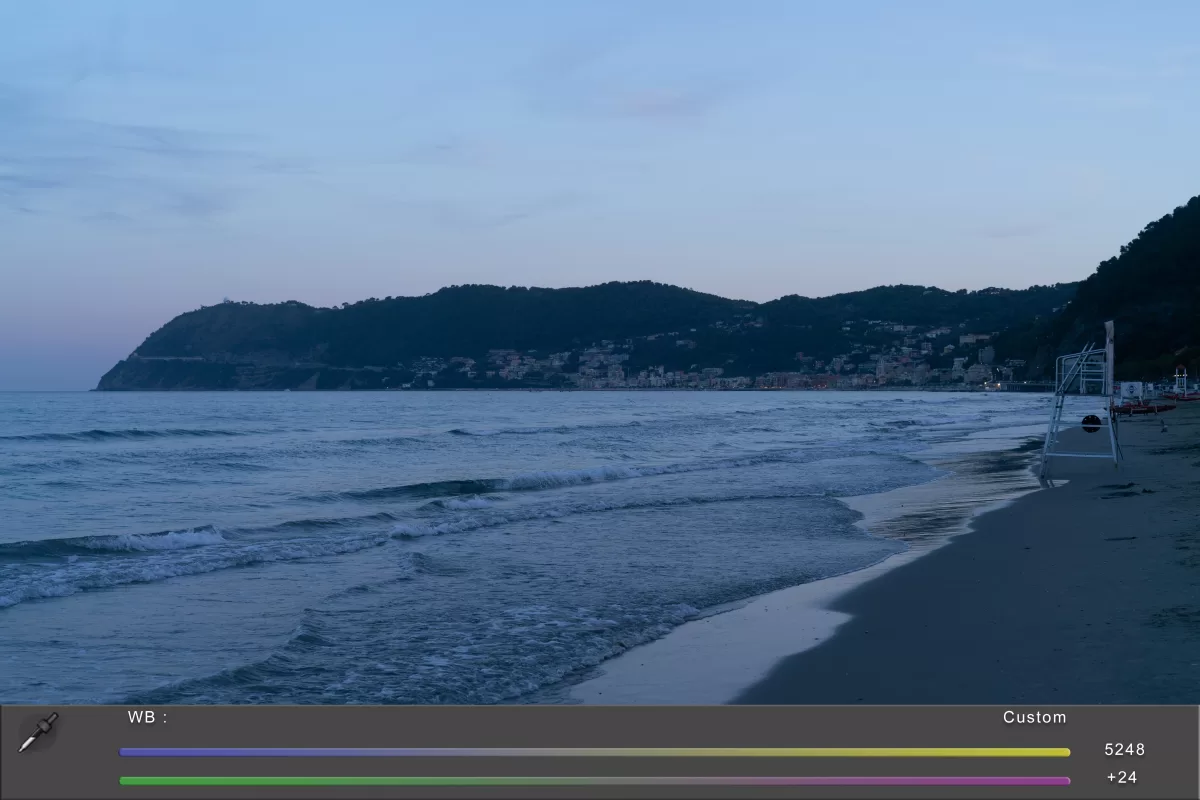
Begin by mastering the fundamentals of photography, including the exposure triangle and the white balance. You can access a wealth of online tutorials, books, and courses that will aid in grasping these essentials. Although exploring various tricks and techniques may seem more captivating, make an effort to prioritize the comprehension of light and the mastery of key compositional principles. These will serve as your foundation. It’s worth noting that many photographers lack a solid foundation even after several years of practice. When you don’t know how to start learning photography, start with the compositional rules and the exposure triangle.
2 – To Start Learning Photography Practice regularly
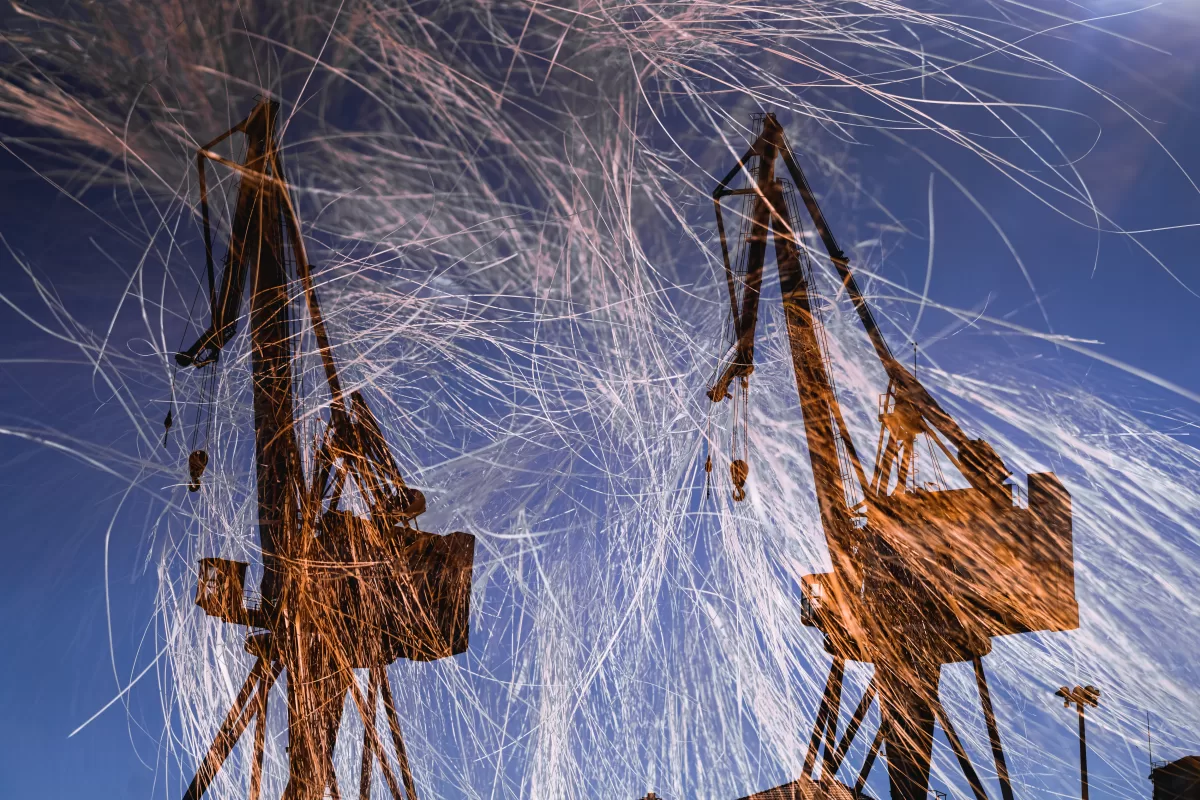
The more you practice, the better you become. Take your camera and start taking pictures of everything around you. Try experimenting with different settings and angles. If you take 200 pictures every 2 weeks, it’s going to give you less progress than if you shoot 20 pictures every second day. If possible buy a small camera that can be easy to carry around every day.
If you don’t know what to take pictures of, I can offer you these photography exercises for creativity.
I have 4 cameras and my favourite is Ricoh GRIIIx. This camera is expensive, but its advantage is that it’s pocketable. This camera is smaller than my iPhone but holds almost as much power as my professional camera that I use for work. this is certainly the camera that gives you the power to do photography everywhere and at any time.
I don’t have much faith in phone photography, mainly because phone cameras have inherent limitations and often rely on AI to enhance certain aspects of photos. The final output tends to appear overly polished and retouched, often not in the way you might intend, essentially giving you results influenced by your phone’s capabilities rather than your creative vision. These devices are designed to simplify photography, but they can never quite match the finesse of a skilled photographer.
For instance, when shooting with the latest iPhone, I estimate I can harness only about 15-20% of the potential I have with my professional camera. Despite claims that phone cameras rival professional ones, there’s a strong reason why professionals continue to favour bulkier, dedicated cameras – professional equipment consistently outperforms phone cameras by a considerable margin.
Your first 10,000 photographs are your worst
Henri Cartier-Bresson
3 – Study the work of other photographers
Building a visual library is a crucial holistic skill that you can develop. It serves as the foundation of your style, like a muscle you can strengthen over time. Take time to examine the work of other photographers, and carefully analyze their techniques, compositions, and unique styles. By exploring the work of others, you can discover inspiration and gain new insights.
Invest in photography books, attend various exhibitions, and, most importantly, remain open to absorbing diverse styles and cultures. This openness will enrich your perspective and enhance your ability to generate powerful concepts and ideas for your own photographs.
For inspiration I personally also follow photographers on Behance and Instagram and am constantly seeing works of others.
4 – Take a course or workshop
Taking a course or workshop can assist you in acquiring new skills, techniques, and hands-on experience. You can discover these courses and workshops online or at local photography schools. Personally, I’m a self-learner, but I have completed courses in art history and extensively studied paintings and photographs. Yet, while constructing and structuring my own distinctive photography course, I realized how much I would have appreciated someone teaching me these same principles a decade ago when I was just about to start learning photography.
A guided educational approach, of course, is something that can greatly aid you to start learning photography.
Explore ‘Photography Made Better’: Unleash Your Inner Photographer with My Course!

Photography Made Better
Elevate your photography skills when you start learning photography with my course, “Photography Made Better.” Dive into the essential elements of photography, focusing on artistic expression and personal guidance. This course is unlike any other, offering challenges and unique tips to redefine your photography. With exclusive access, it’s designed for passionate individuals ready to transform their photographic skills when you start learning photography. Join today, unleash your creativity, and let your unique voice shine. Enrol now for an unparalleled photographic journey! 📸🌟🚀
5 – Get feedback
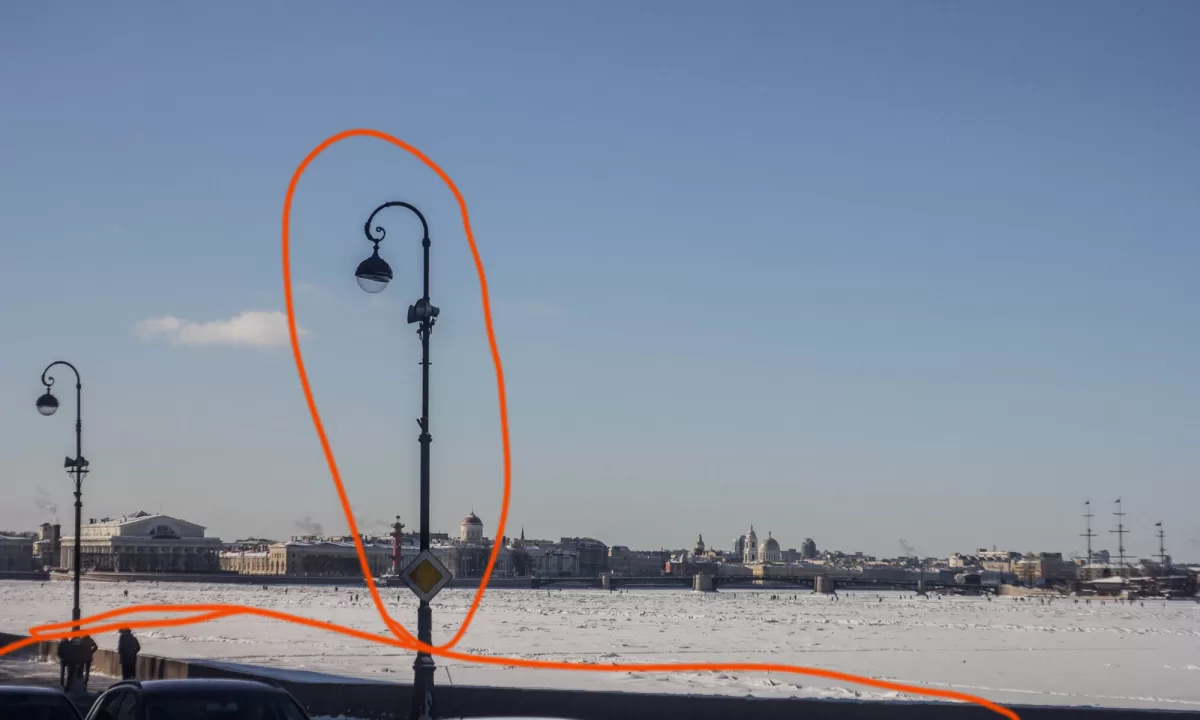
Share your work with other photographers when you start learning photography and get feedback. This can help you improve and learn from your mistakes. Sometimes you don’t notice your mistakes unless someone points them out. When I look at my older works, I notice a lot of mistakes that apparently weren’t noticeable to me back then. That’s why it’s important to ask for advice from those who are more skilled when you start learning photography.
For example, even though I haven’t seen your photos, I can offer you advice that may help you when you start learning photography. Come closer to your subjects until they occupy at least 30% of your frame! It’s one of the most common mistakes that beginners make; they don’t get close enough to their subjects, and as a result, the subject gets lost in the frame. The viewer should always be able to clearly see what you intended to photograph. Every composition should have distinct focal points that naturally draw the viewer’s attention.
For example, on the shot above I have circled the objects that distract and make the shot worse. It’s my old image from about 2016. If I crossed the road I could photograph the view without these obstacles.
6 – Practice post-processing
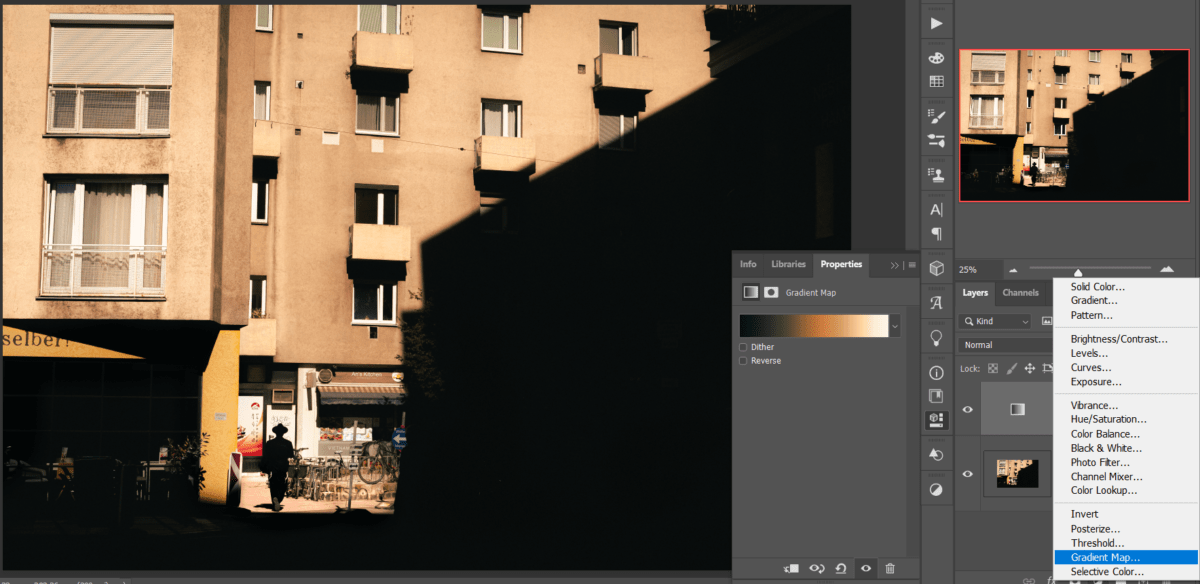
Editing your photos can enhance their quality and help you achieve the desired result. Learn post-processing techniques such as color correction, cropping, and retouching.
It’s not hard to learn the basics of editing when you start learning photography, but Photoshop and Lightroom are big and complex programs with plenty of features. I’ve been using Photoshop for 13 years but still haven’t learned everything, and I often need to search for shortcuts or certain techniques.
It’s always good to learn more and more editing techniques since sometimes you don’t even know that you can improve something until you learn how to do that. Art and photography are quite holistic and it’s always important to learn how to see that room for improvement. To train your eye learn as many editing techniques as possible and also follow tip number 3.
7 – Focus on lighting
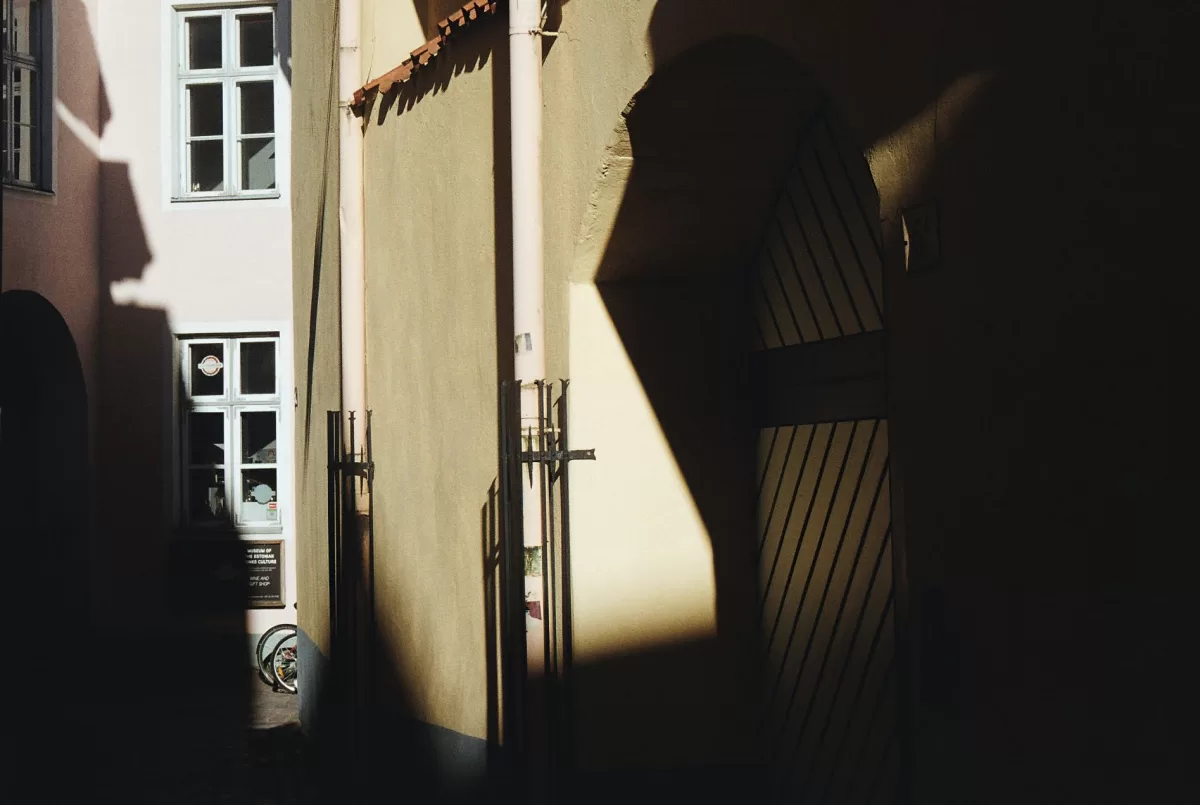
Photo – light. Photography revolves around light – it’s the heart and soul of this art form. Whenever you snap a picture, you’re essentially freezing the moment when light interacts with the objects in your frame. This concept is fundamental to grasp in your photographic journey.
All of your subjects should be under the light and better lit than their surroundings when you start learning photography. Since the shadow is the absence of light, try to capture everything that is in the highlights.
8 – Keep learning
Photography is a never-ending learning process. Keep yourself updated with the latest trends, equipment, and techniques by reading books, attending seminars, and following photography blogs.
Remember, learning photography takes time, patience, and practice. Keep experimenting and pushing yourself to improve, and you will soon master the art of photography.
And if your recent work doesn’t seem to be good, that only means that you’re improving as you start learning photography! I often look at my photographs with frustration because they no longer look so good to me. Sometimes it can bring a lot of disappointment, but every time you feel like that, try to remind yourself that it means you’re growing, and the next time you will take better images. Try to think about how you can improve, and your new photos will be better than everything you photographed before as you continue to start learning photography.