Learning photography takes time because it’s not just a technical skill, it’s a visual language. At first it can feel a bit overwhelming, since there are many things to understand at the same time, but that’s also part of the process. If you stay patient with it, it becomes a really enjoyable way of seeing the world differently.
There are no real shortcuts here. But there is a way to make progress more natural – by staying consistent, curious, and remaining open to different ideas and techniques. Treat everything you learn as material to test rather than rules to obey. Just by trying things out, making mistakes, and staying curious, you slowly build your own understanding of photography.
Over time it stops being about “learning photography” and starts becoming a way of thinking visually. And in this post I outline things (except from fundamentals) that are relevant through your whole photographic journey!
Table of Contents
Here are some steps that can help you start learning photography:
1 – Make sure you Understand the basics
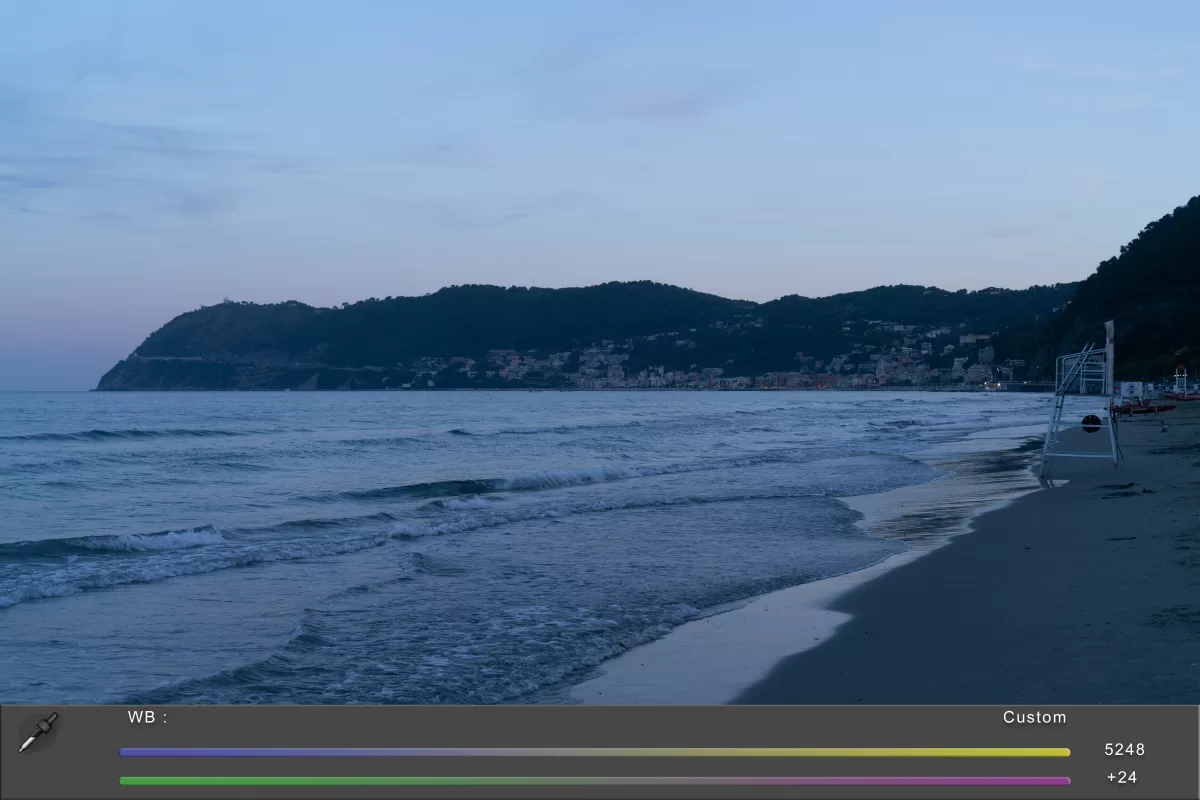
Begin by mastering the fundamentals of photography, including the exposure triangle and the white balance. Although exploring various tricks and techniques may seem more captivating, make an effort to prioritize the comprehension of light and key compositional principles.
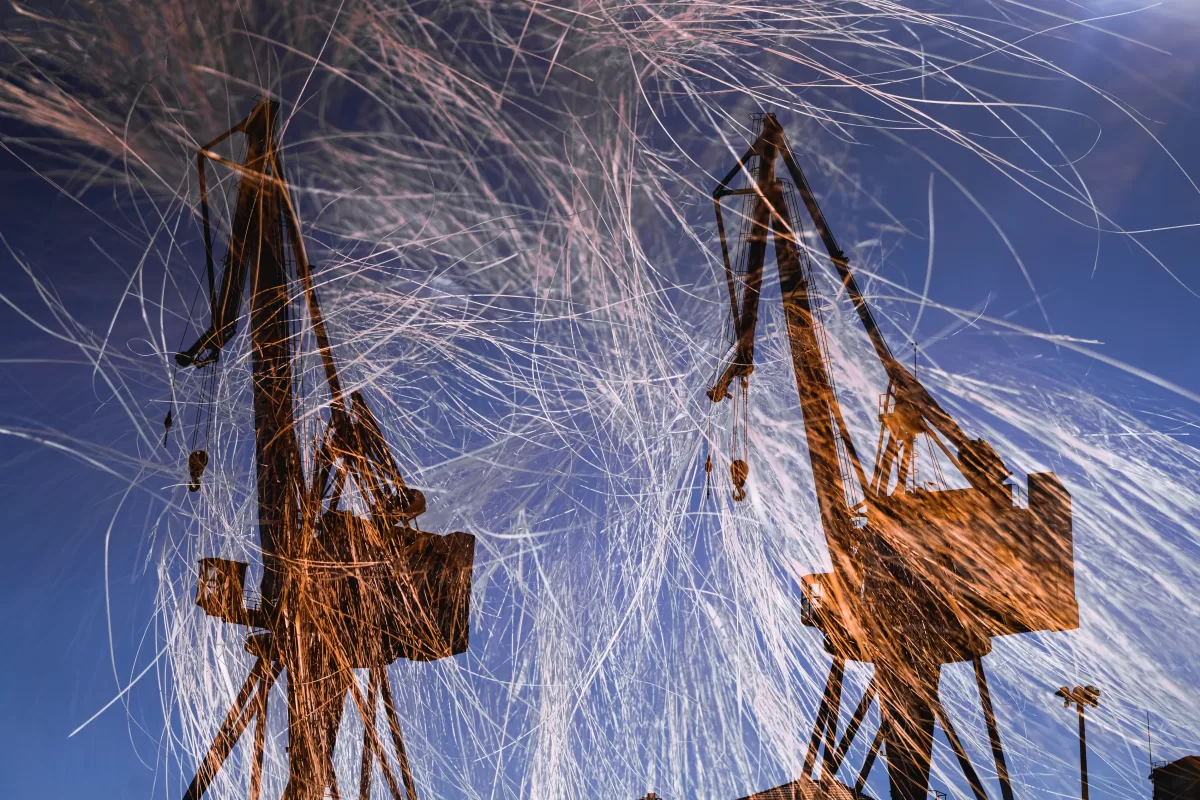
I’d say the good balance is when you use some interesting photo filters, like split field or some kaleidoscope ones but at the same time focus mostly on fundamentals.
These will serve as your foundation. It’s worth noting that many photographers lack a solid foundation even after several years of practice. When you don’t know how to start learning photography, start with the compositional rules and the exposure triangle.
The vital fundamentals are:
- Exposure triangle
Shutter speed controls how long the camera sees the scene.
Aperture controls how wide the lens opens and defines the amount of light falling through lens per second.
ISO controls how sensitive the camera sensor becomes to light. But with modern cameras, ISO is usually more of a supportive setting rather than the main creative one.
I’d still recommend using AV or Tv/S modes for beginners, and keeping iso Auto. Then you can control brightness with the exposure ring and have less friction when leaning how camera works.
- Composition
There are basic rules to composition that you have probably heard of many times like rule of thirds. Interestingly enough it feels like all the rules of photography come down to golden ratio or similar to it. Basically when it comes to triangular compositions( when you have 3 subjects arranged in a triangle, golden triangle, rule of thirds, or splitting composition in shapes – ideally you will have something big, medium and small in all these cases – it creates a similar hierarchy in the frame to golden ratio.
I’d say it’s good to know and try out all these rules, but most importantly I’d recommend:
- Do not put your subject close to edges (unless you want atmosphere of unease and to make viewer feel uncomfortable)
- think of composition as an arrangement of contrasts.
- Your main and strongest contrast should be on your subject
- The strongest contrast is usually not hue but value contrast (For example light blue jacket will pop up more on deep dark blue background than on light red. Value plays bigger role than hue)
- COME CLOSER TO YOUR SUBJECT. if you think you’re close enough, make a couple extra steps towards it.
Now the most important part.
You can learn fundamentals in a structured way, like grammar when learning a language. That’s completely valid. But a lot of them also start to make more sense once you begin building your visual library (see in tip number 3) and looking at how images actually work in practice.
You still need to understand how shutter speed (“S”) and aperture (“A”) work — that part is necessary. But the way you interpret and use them becomes much clearer when you are constantly exposed to good photographs and start recognising patterns in composition, light and structure.
So don’t treat fundamentals as something separate from visual learning. They work together. The more you look, study and observe, the easier the technical side becomes to understand in a meaningful way, not just as theory.
2 – To Start Learning Photography Practice regularly
The more you practice, the better you become. Take your camera and start taking pictures of everything around you. Try experimenting with different settings and angles. If you take 200 pictures every 2 weeks, it’s going to give you less progress than if you shoot 20 pictures every second day. If possible buy a small camera that can be easy to carry around every day.
If you don’t know what to take pictures of, I can offer you these photography exercises for creativity.
I have 4 cameras and my favourite is Ricoh GRIIIx. This camera is expensive, but its advantage is that it’s pocketable. This camera is smaller than my iPhone but holds almost as much power as my professional camera that I use for work. this is certainly the camera that gives you the power to do photography everywhere and at any time.
Your first 10,000 photographs are your worst
Henri Cartier-Bresson
I don’t have much faith in phone photography, mainly because phone cameras have inherent limitations and often rely on AI to enhance certain aspects of photos. The final output tends to appear overly polished and retouched, often not in the way you might intend, essentially giving you results influenced by your phone’s capabilities rather than your creative vision. These devices are designed to simplify photography, but they can never quite match what even beginner cameras can offer.
You can start with your phone but then switch to a camera, the phone will start making you feel disappointed in your own work later if you learn and improve your sills and visual library past the capabilities of the phones
3 – Study the work of other photographers
Building a visual library is a crucial holistic skill that you can develop. It serves as the foundation of your style, like a muscle you can strengthen over time. Take time to examine the work of other photographers, and carefully analyze their techniques, compositions, and unique styles. By exploring the work of others, you can discover inspiration and gain new insights.
Follow me on insta if you’d like to see some of my work too: https://www.instagram.com/phfedorvasilev/
Invest in photography books, attend various exhibitions, and, most importantly, remain open to absorbing diverse styles and cultures. This openness will enrich your perspective and enhance your ability to generate powerful concepts and ideas for your own photographs.
For inspiration I personally also follow photographers on Behance and Instagram and am constantly seeing works of others.
It’s a bit similar to how children learning a language, they absorb hours of input and start to form sentences in their heads themselves. In case of photography you need to get these hours of visual art observation to get to form your visual ideas better. And if you start feeling that your photographs are bad, it usually means your visual library got richer and you just need to take more new photos with potential ideas coming from better holistic understanding of art that you got.
4 – Take a course or workshop
Taking a course or workshop can assist you in acquiring new skills, techniques, and hands-on experience. You can discover these courses and workshops online or at local photography schools. Personally, I’m a self-learner, but I have completed courses in art history and extensively studied paintings and photographs.
Yet, while constructing and structuring my own distinctive photography course, I realized how much I would have appreciated someone teaching me these same principles a decade ago when I was just about to start learning photography.
A guided educational approach, of course, is something that can greatly aid you to start learning photography.
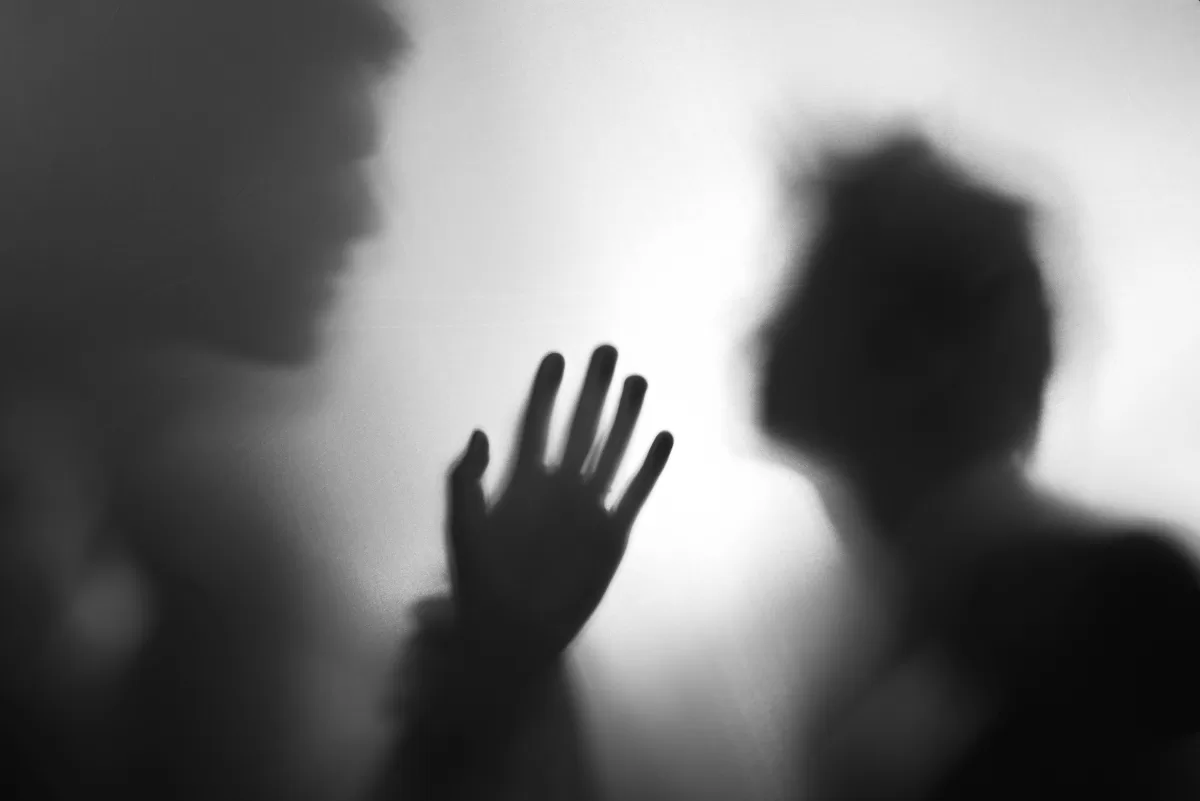
Explore ‘Photography Made Better’: Unleash Your Inner Photographer with My Course!
Photography Made Better
5 – Get feedback
Share your work with other photographers when you start learning photography and get feedback. This can help you improve and learn from your mistakes. Sometimes you don’t notice your mistakes unless someone points them out. When I look at my older works, I notice a lot of mistakes that apparently weren’t noticeable to me back then. That’s why it’s important to ask for advice from those who are more skilled when you start learning photography.
For example, even though I haven’t seen your photos, I can offer you advice that may help you when you start learning photography. Come closer to your subjects until they occupy at least 30% of your frame! It’s one of the most common mistakes that beginners make; they don’t get close enough to their subjects, and as a result, the subject gets lost in the frame. The viewer should always be able to clearly see what you intended to photograph. Every composition should have distinct focal points that naturally draw the viewer’s attention.
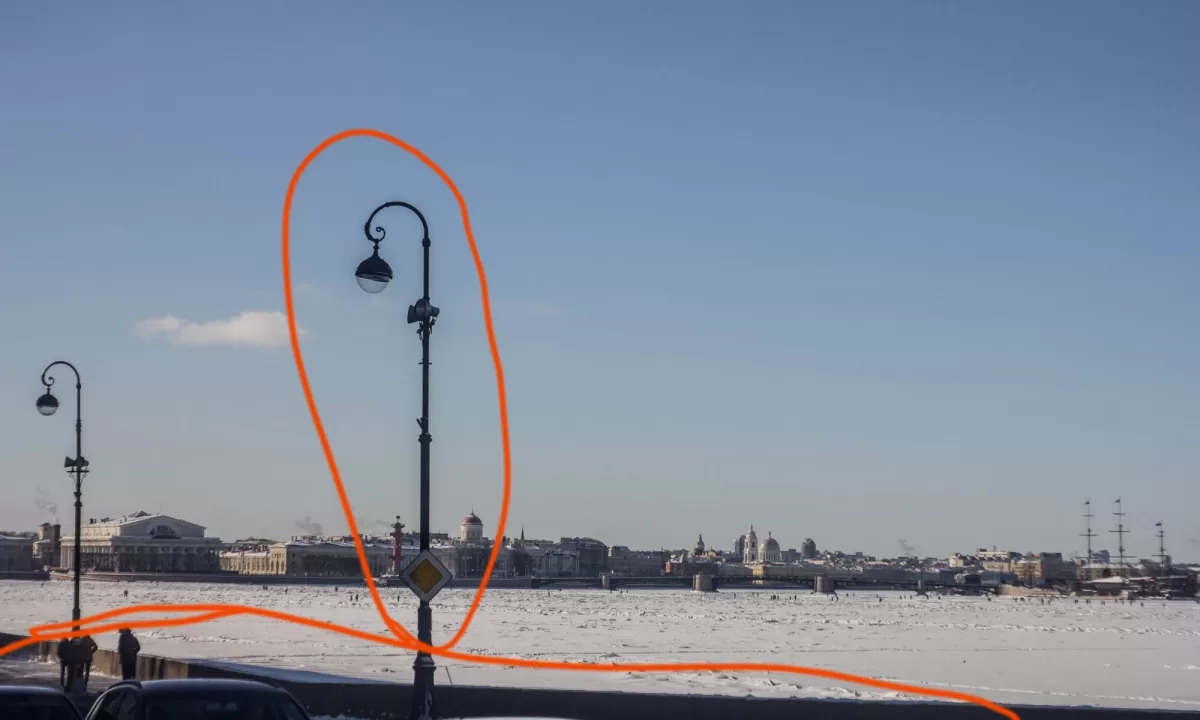
For example, on the shot above I have circled the objects that distract and make the shot worse. It’s my old image from about ~2015-2016. If I crossed the road I could photograph the view without these obstacles.
6 – Practice post-processing

Editing your photos can enhance their quality and help you achieve the desired result. Learn post-processing techniques such as color correction, cropping, and retouching. Editing isn’t something optional when you want to really get good photographs. You’d be surprised but one of the most powerful editing tools is simply cropping tool. Starting from something as basic as crop, you give a better direction to your photos. Then you follow that with choosing the white balance you want and all the basic settings.
Like on the photo just above I feel like the saturation was overdone compared to the shot below where these soft colours feel much more pleasant and refined.
It’s not hard to learn the basics of editing when you start learning photography, but Photoshop and Lightroom are big and complex programs with plenty of features. I’ve been using Photoshop for 13 years but still haven’t learned everything, and I often need to search for shortcuts or certain techniques.
Probably the best tool to learn photoshop and lightroom is Youtube. There are tutorials for every tool but it’s so vast that I won’t describe all of them.
It’s always good to learn more and more editing techniques since sometimes you don’t even know that you can improve something until you learn how to do that. Art and photography are quite holistic and it’s always important to learn how to see that room for improvement. To train your eye learn as many editing techniques as possible and also follow tip number 3.
7 – Focus on lighting
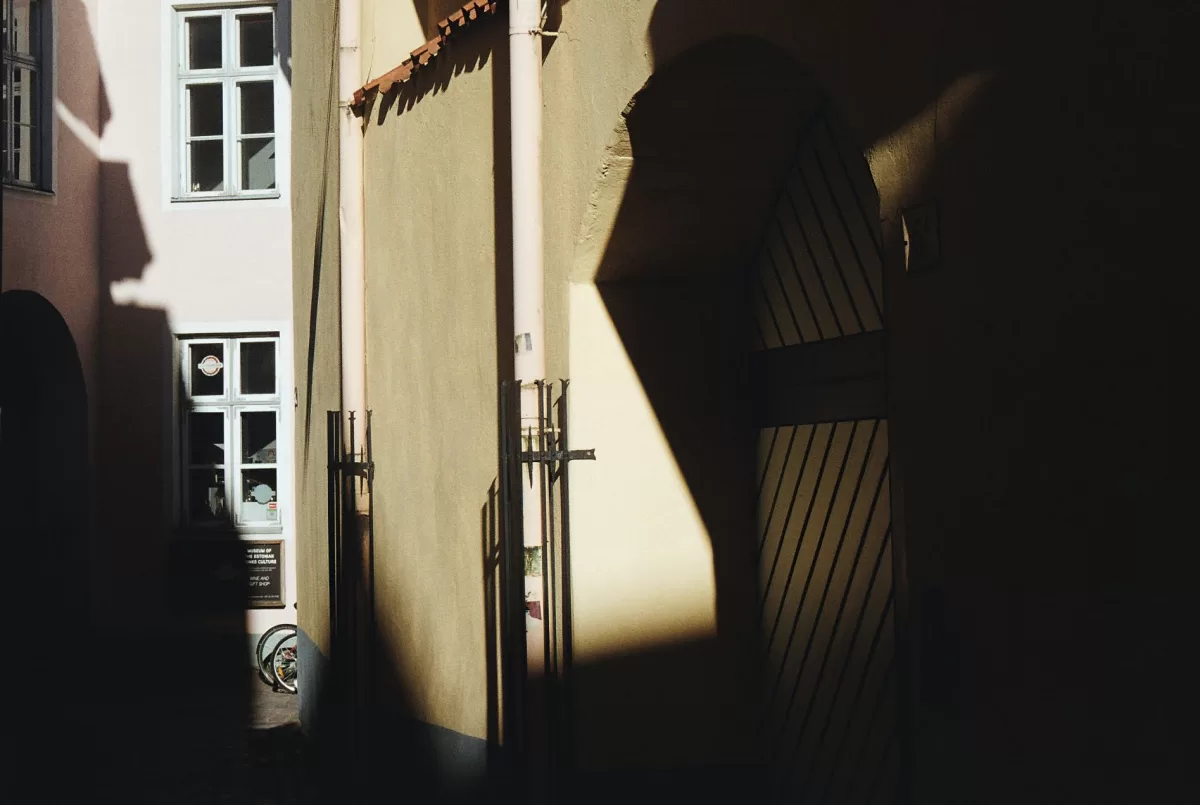
Photo – light. Photography revolves around light – it’s the heart and soul of this art form. Whenever you snap a picture, you’re essentially freezing the moment when light interacts with the objects in your frame. This concept is fundamental to grasp in your photographic journey.
All of your subjects should be under the light and better lit than their surroundings when you start learning photography. Since the shadow is the absence of light, try to capture everything that is in the highlights.
There is a lot of ways to get very technical about it, but I’d encourage you to start thinking about it from the very beginning! You can shoot with a simple flashlight in the evenings to add some of your own light in the images. No need to buy fancy studio strobe and a wide light modifier. Just a flashlight that you may have somewhere collecting dust on a shelf.
Start by just trying it out in the evenings.
For example there is a tree that looks very cool. Come to it just after sunset but before it gets fully dark and put the flashlight to either side of it, a few meters away from the tree, or under the tree or maybe even hang the light on the tree itself.
The idea is – when you can control the light, you understand how it works better. Then even when photographing in sunlight you will start to understand it better. Like how to choose the right angle for a portrait? By putting the person in such a way that the sun would potentially hit at 45 degrees from a side or so to get some nice shaping light.
Photography is the light of art – I tell that all the time and will tell again. It’s like that visual language where instead of paint or ink we have light.
Examples of how I use light in photography you can also see among my portfolio on pages like : Couple Photographer in Berlin
8 – Keep learning
Photography is a never-ending learning process. I do photography for 12 years but I still know there is a lot of room to improve.
Remember, learning photography takes time, patience, and practice. Keep experimenting and pushing yourself to improve, and you will soon master the art of photography.
And if your recent work doesn’t seem to be good, that only means that you’re improving as you start learning photography! I often look at my photographs with frustration because they no longer look as good to me. Sometimes it can bring a lot of disappointment, but every time you feel like that – try to remind yourself that it means you’re growing, and the next time you will take better images. Try to think about how you can improve, and your new photos will be better than everything you photographed before as you continue to start learning photography.