Hey, in this post I will share my vision on cinematic photography and tell about some tips on how this style actually works. Cinematic style photography isn’t about a preset from the cinematic tab of presets in Lightroom, It’s not only about making colours look nice with a precise colour palette. It’s closer to asking: how to make my images evoke emotions and make it feel immersive as if you look at a beautiful story.
And most of that comes down to light, compositional choice, working in series, and yes some colour grading too! If feels like while a great photograph is like an orchestra of details and shapes in a frame with strong meaning and enhanced by light, in cinematic style it is also an orchestra of frames in a gallery! Read till the end to learn about the style I work in, the one to feel complex and interesting, something that makes every photoshoot a bit unique, and helps to always be inspired and create these strong visual stories told through photography!
Table of Contents
Light as the foundation
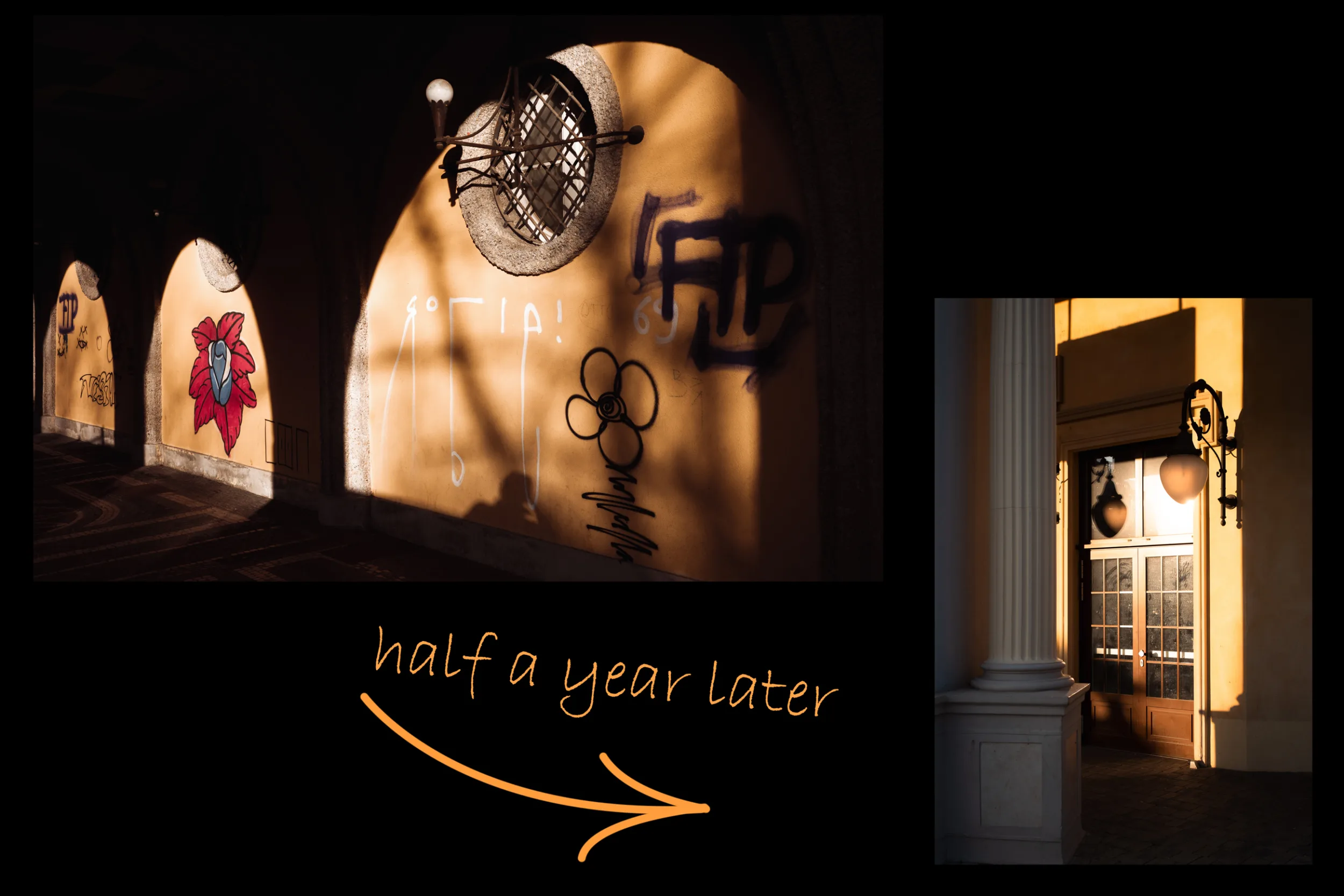
We don’t really photograph people or places. We photograph light bouncing off them. That sounds obvious, but it changes everything once you start working from that idea seriously. The subject stops being the main character in isolation, and becomes part of a wider visual system — shadows, direction, contrast, negative space.
In my work, cinematic style begins with deliberate lighting. I tend to avoid front-on light as a default. It flattens everything. You lose depth, you lose tension, and the image starts to feel like a surface rather than a space. Aside from that when stylising the image or also making it look cinematic you want to use everything to make the image directional and flat lighting in most cases won’t help with that.
Instead, I prefer placing the subject in relation to the light rather than just lighting them. That can mean positioning them between me and the light source, or letting light cut across the frame from the side. Even simple adjustments like that shift the entire emotional tone of the image. Shadows stop being something to avoid or else you stop lifting shadows and then they become something that shapes the scene.
There are hundreds of ways of how to apply a contrast but its also a tool that guides the viewer. Where is more contrast, there is more attention! But everything should be balanced out to look natural an not overdone.
Drama, dynamics and flow in composition
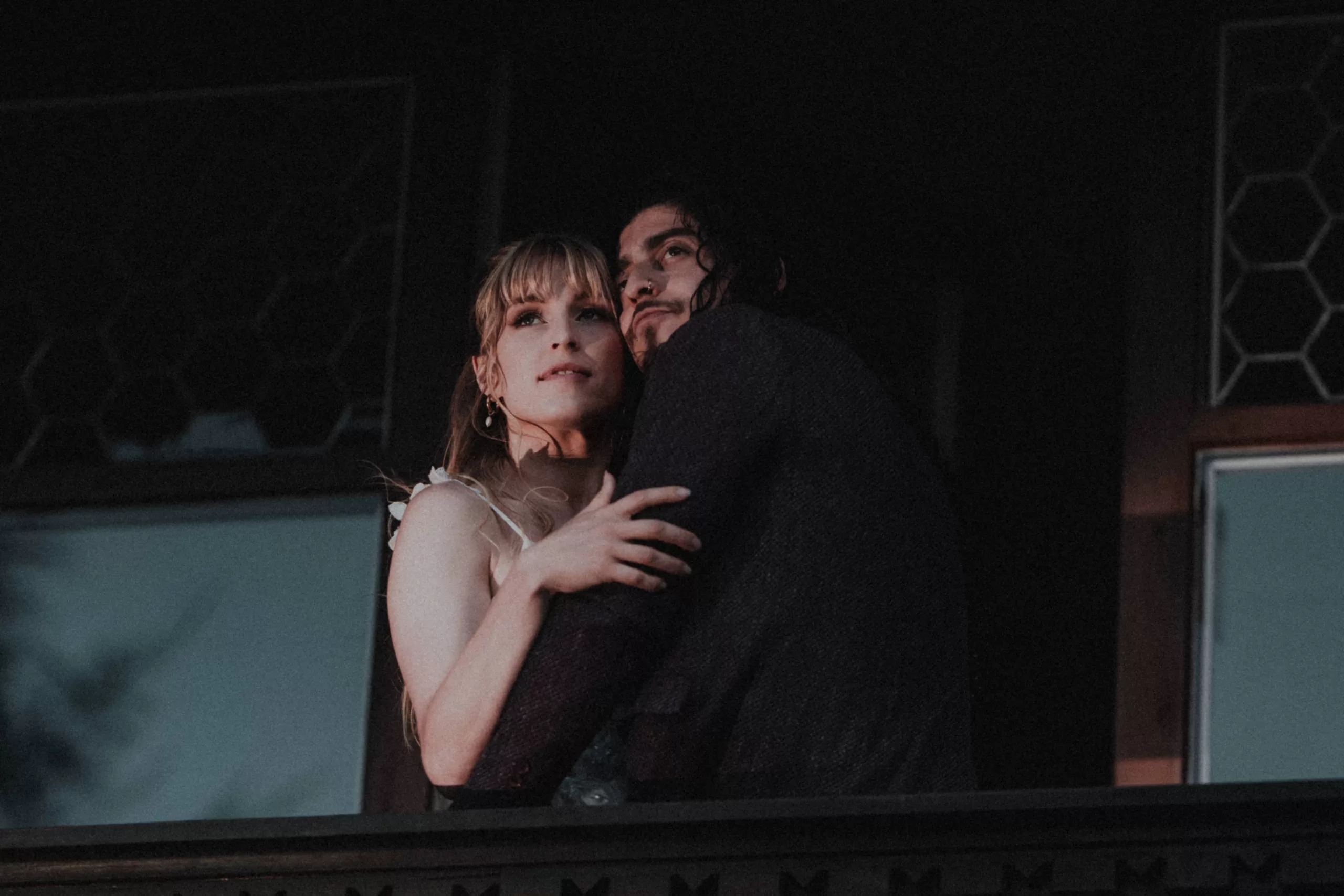
For me, dramatic and dynamic photography are actually very similar things.
Usually what people describe as a less dramatic style comes from softer light and more stable compositions. Stability itself is not bad at all. Many photographic styles are built exactly on that — centred framing, balanced structure, calm light. It can look clean and beautiful and works perfectly well depending on what you want to say.
But cinematic photography works a bit differently.
A good story always has flow. Something is moving, something is changing, something continues from one moment to the next. And composition can support exactly that same idea. Instead of keeping everything very centred and stable, I usually prefer slightly more dynamic compositions where your eye moves through the frame instead of stopping immediately in the middle.
At the same time cinematic photography is not about everything being dynamic all the time. It actually needs both. Some frames can be very calm and stable, others more directional and moving. This variation is what creates rhythm inside a series and makes the story feel more natural.
The same applies to light. Directional light and stronger contrast naturally create more depth and tension, while softer light can create quieter moments. Both are useful depending on what part of the story you are showing.
So and here is where you also need to seek balance instead of aiming only for stability or only for movement. Cinematic photography usually works best when there is a balance between static and dynamic frames. That balance helps the viewer move through the images the same way they would see a story unfolding in a film.
Moving away from posed portraiture
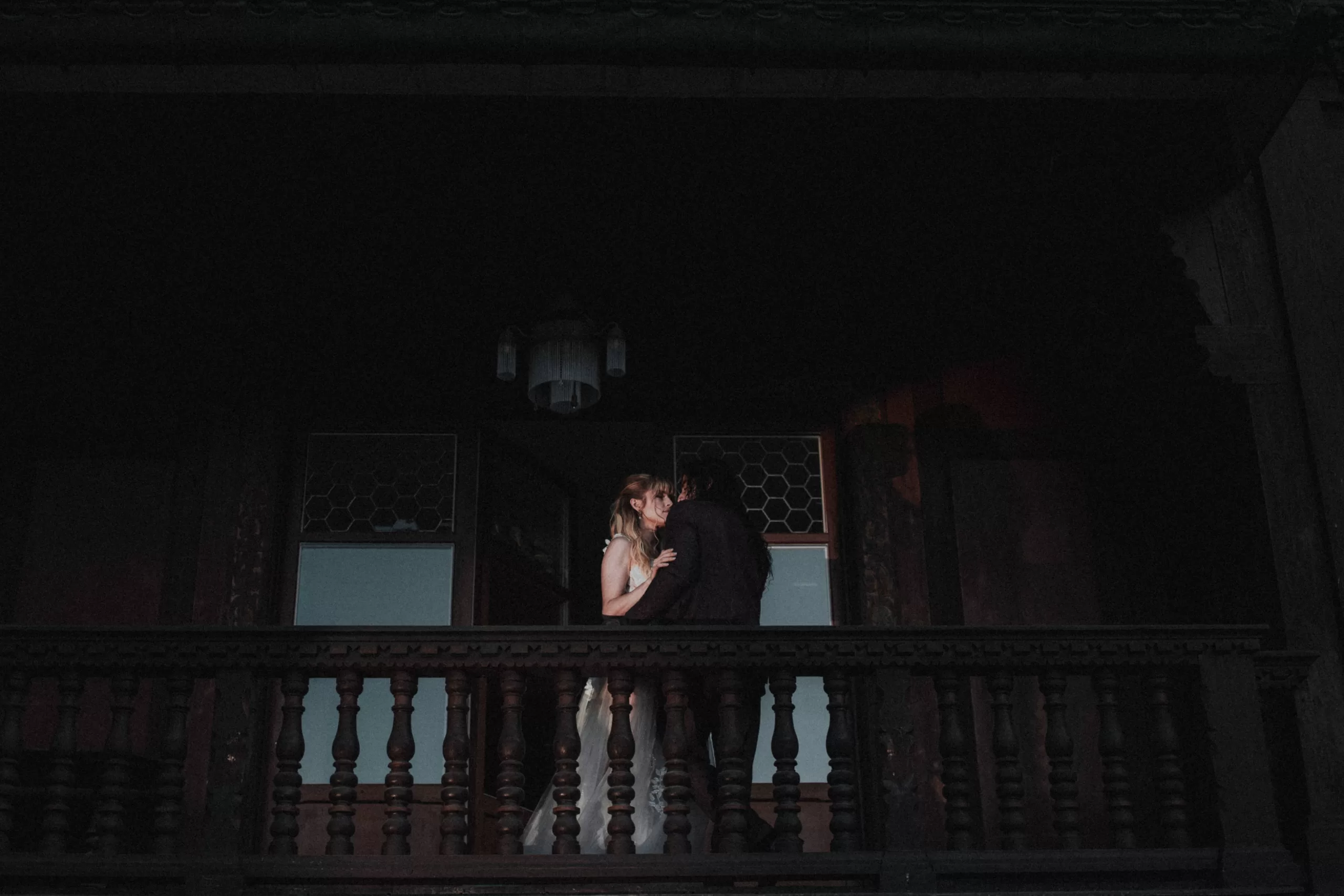
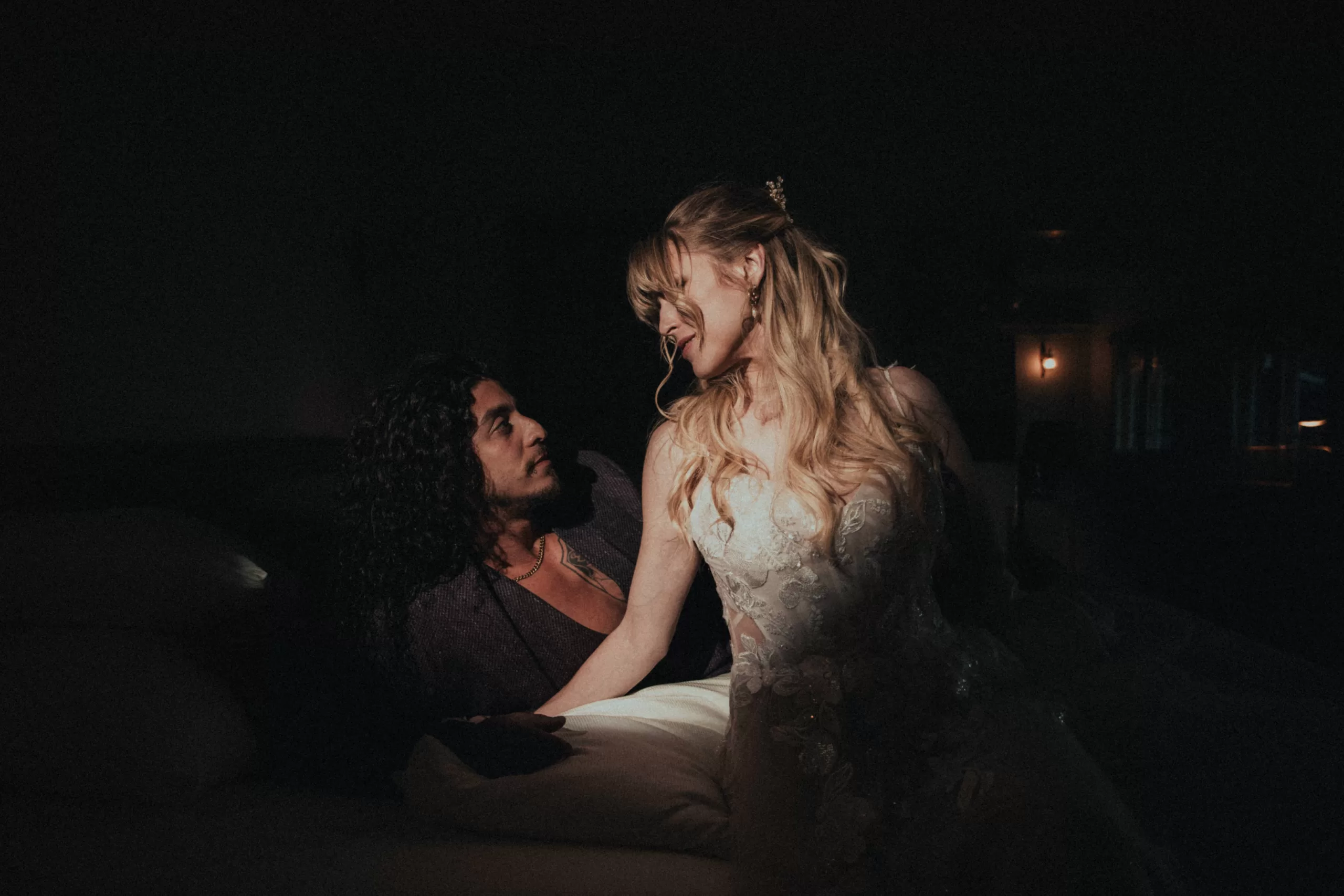
When it comes to people, especially couples, cinematic photography moves even further away from traditional portrait approaches. I’d say it’s one of the most common questions my clients are asking me: “what if we don’t know how to pose?”. But cinematic photography is’t about posing very precisely and knowing how to pose. For example, in all photographs that you see in this post are usual people and none of them are professional models.
The usual method in portraiture is direction: you place people, adjust their posture, refine the pose until it looks “correct”. And yes, that can look beautiful. It can be clean, controlled, even elegant. Similar to editorial photography style, its elegant but rather staged and you can feel the posing in the final image.
Cinematic work tries to remove that feeling.
The goal is not to create a perfect pose, but to create a situation. Something where people are not performing for the camera, but interacting with each other or their environment. A kind of space where they can forget about being photographed for a moment. Then my task is in capturing the right moments in this half controlled environments. Or sometimes it’s about taking many photos and then carefully selecting the ones that work perfectly.
This is especially true in couple photography. Instead of asking someone to “stand like this” or “hold that position”, I prefer giving prompts. Something simple, or even slightly indirect — to walk sit somewhere leaning on each other and looking at the view, or count tree branches above them together. The point is not to control every detail, but to set a direction or distract people from the photoshoot and make them more naturally go through the story.
What I’m really looking for is behaviour, rather than perfect pose.
Not looking into the camera
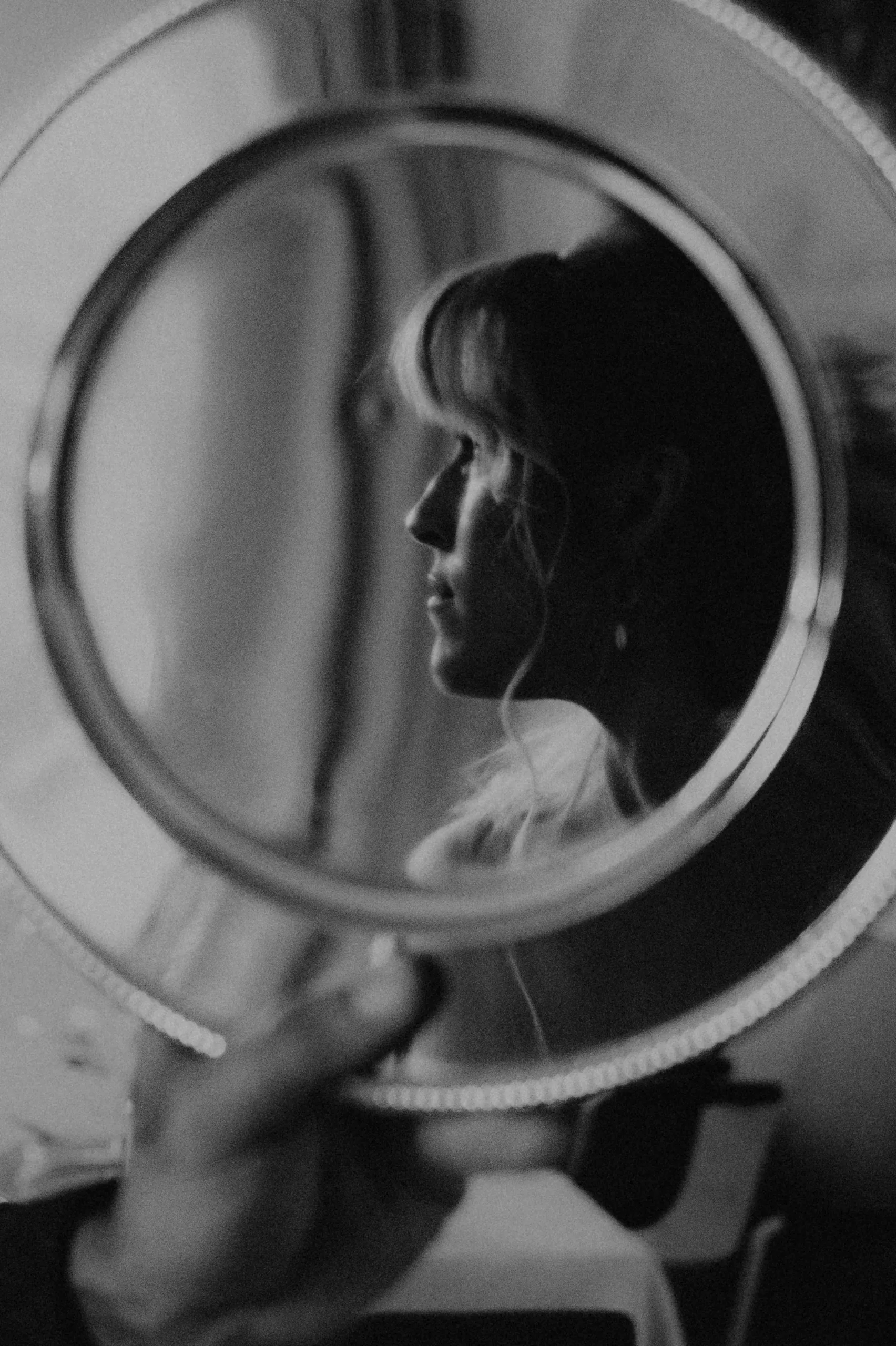
There’s also a rule I tend to stick to quite strictly: To make sure that people almost never look into my camera.
The moment someone looks at the lens directly, it shifts the mood of the image. Sometimes that’s useful, but in cinematic work it often breaks the 4th wall. In cases when people look into the camera it removes a layer of storytelling from a picture. It reminds you that the scene is staged.
If you think about film, characters rarely look at the audience unless something very specific is happening. The viewer is not meant to be acknowledged. They are meant to be present but unseen. I try to keep that same logic in still images.
So couples might look at each other, away from each other, into the distance, down at their hands, anywhere really, but just not at the camera. This choice alone changes a photo from “Hey, here is the couple photographed in font of this riverside”, to “There is a couple that is sitting on the riverside, there is beautiful atmosphere, nice to experience that story”
Series instead of single images
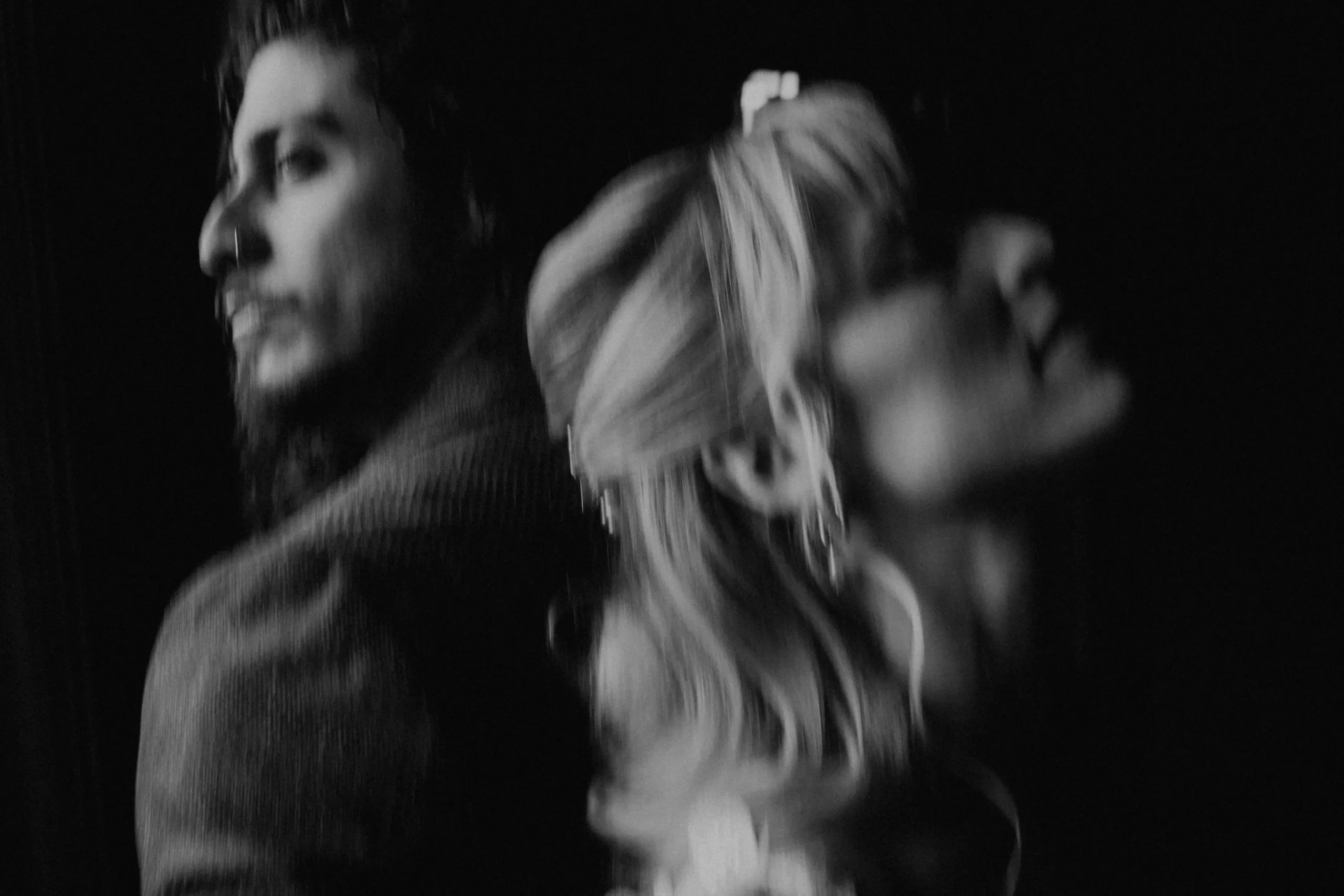
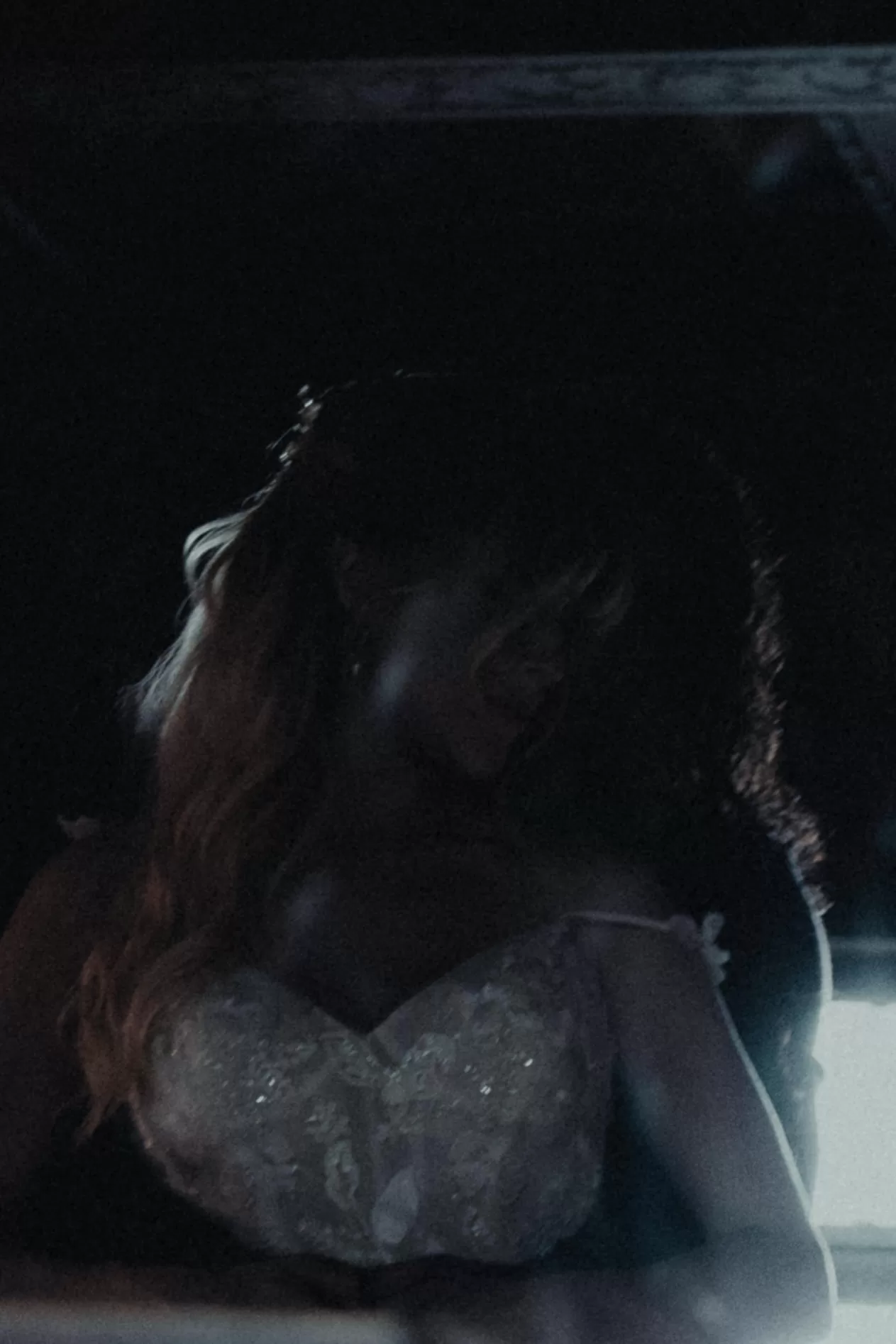
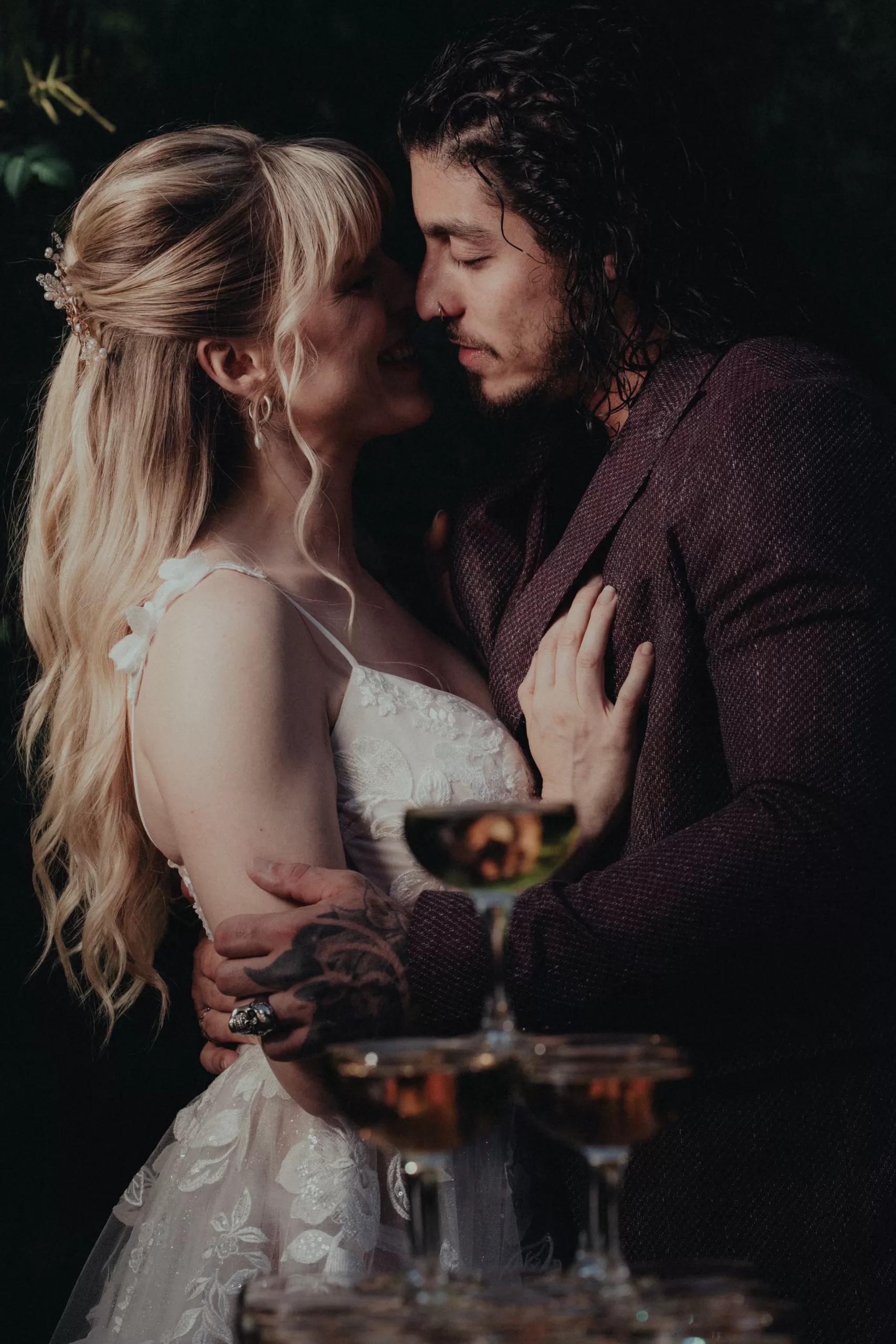
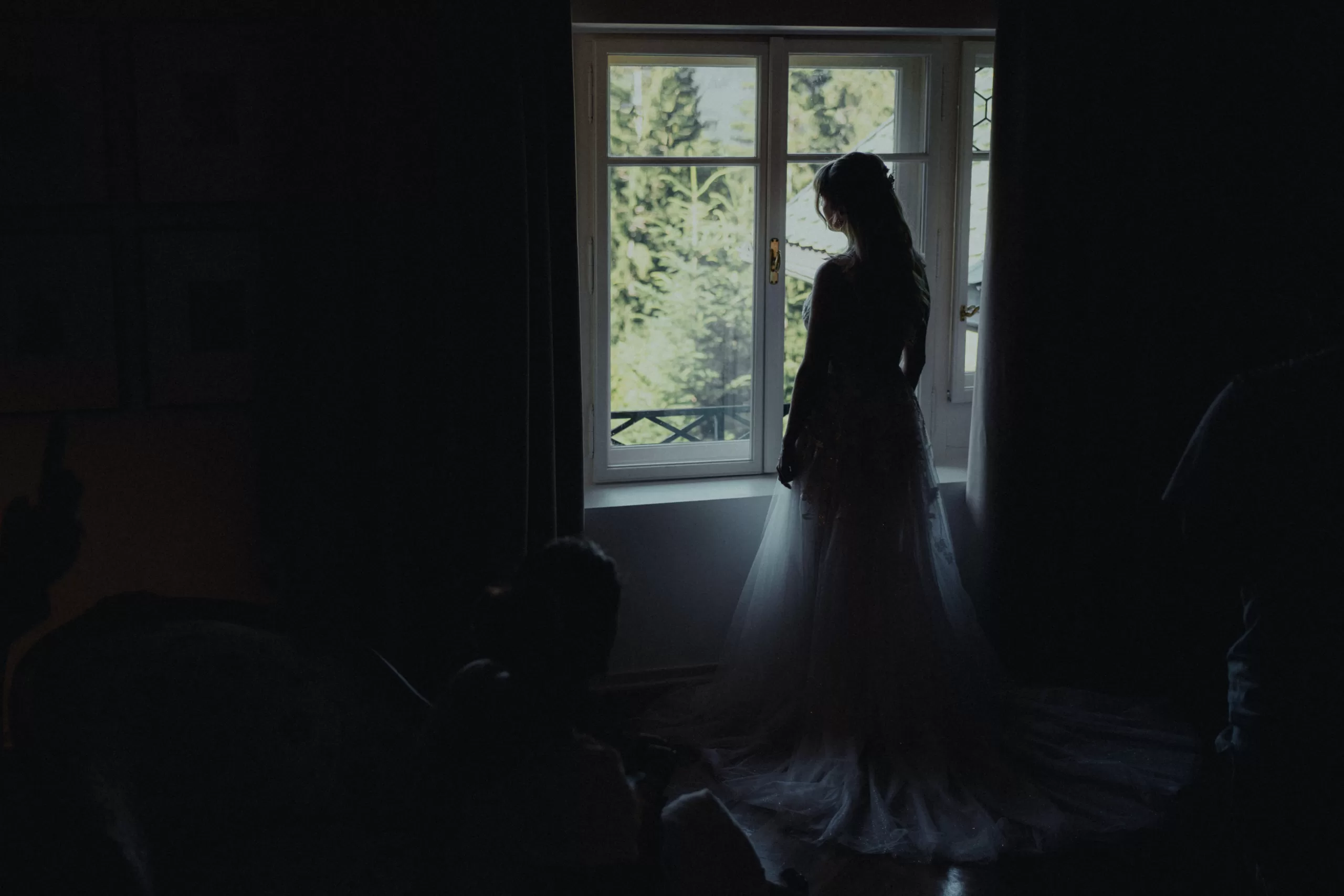
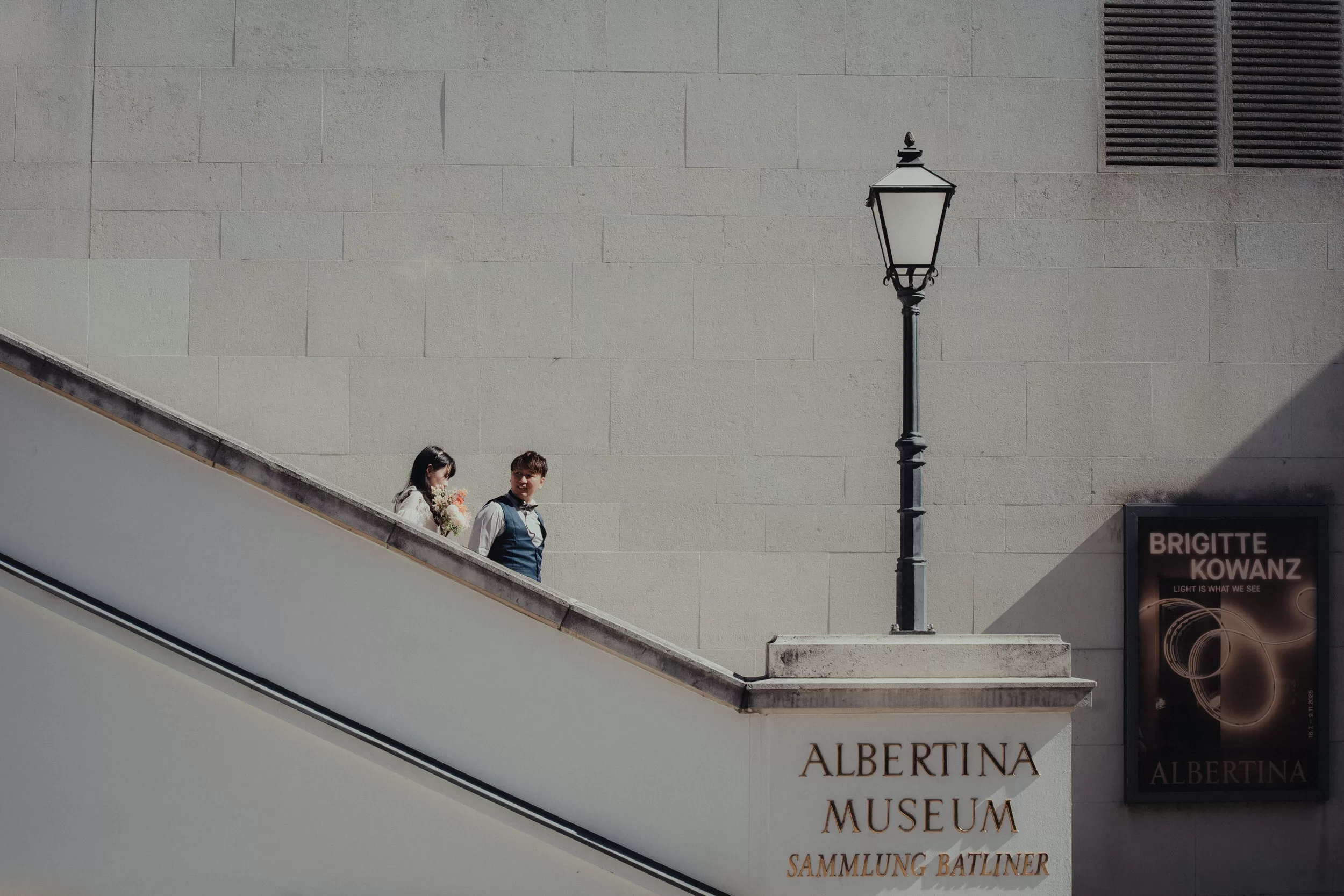
One of the most important shifts in cinematic photography is thinking in series rather than isolated frames.
This is something that shows up in many genres, but in cinematic work it becomes essential. A single image can be strong, but it rarely carries the full weight of what you’re trying to say. Cinema doesn’t rely on one shot either — it builds meaning through progression.
In couple photography like in the example above you can show couples chemistry through this variety of frames. And it always looks unique that I especially love.
When I work with couples or portrait sessions, I rarely think in terms of “the one perfect image”. I think in sequences. A small story built from fragments: arrival, interaction, pause, shift in emotion, distance, closeness again. Even if nothing dramatic is happening, the sense of progression gives the work its cinematic feeling.
It also changes how you shoot. You stop chasing isolated highlights and start thinking about how each frame connects to the next. One image becomes an introduction, another becomes tension, another release. Ideally you still select only best of the best as always, but the difference is that here you sometimes add a supportive frame and only the ones that fit the story.
The big–medium–small rule (wide, mid and close-up frames)
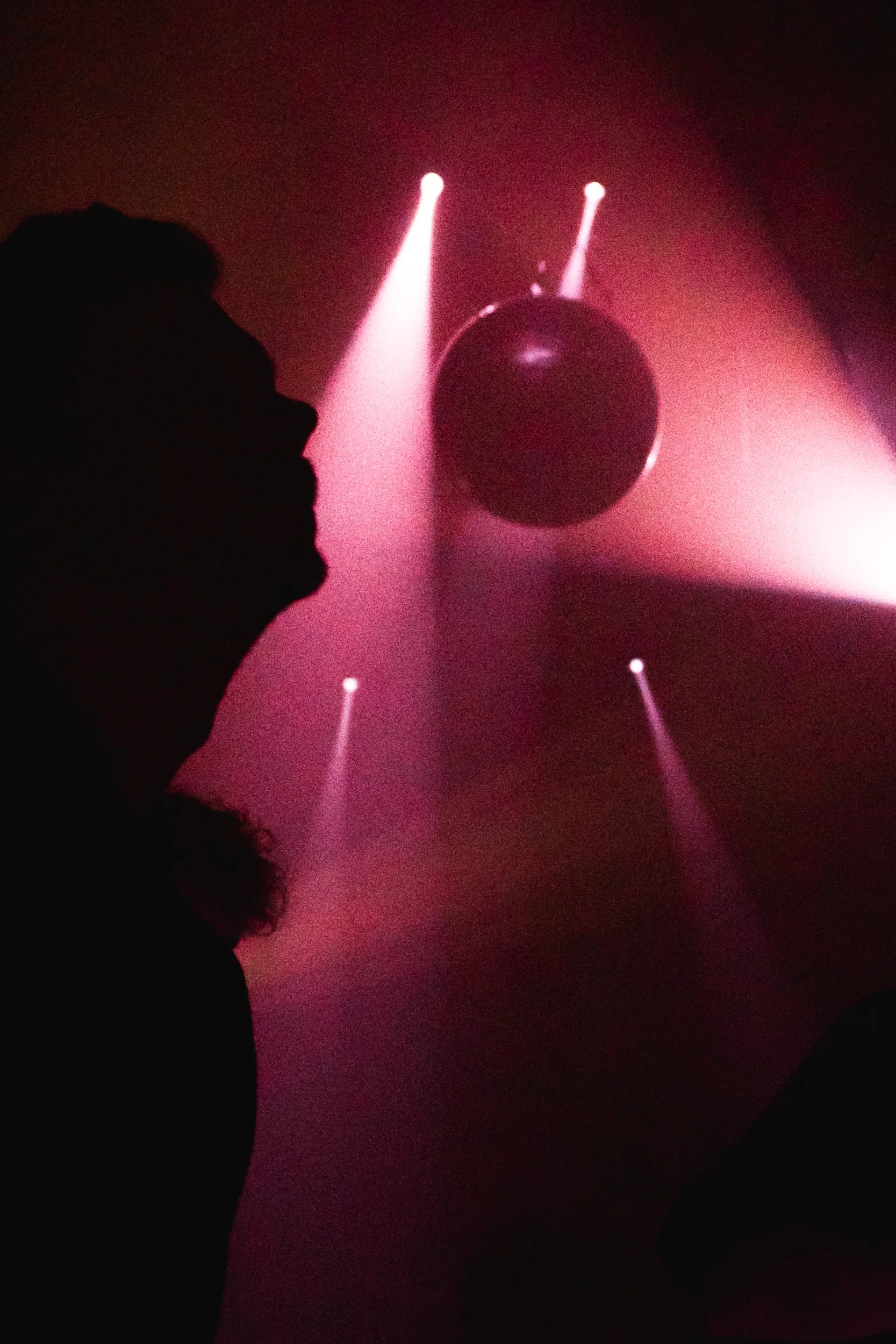
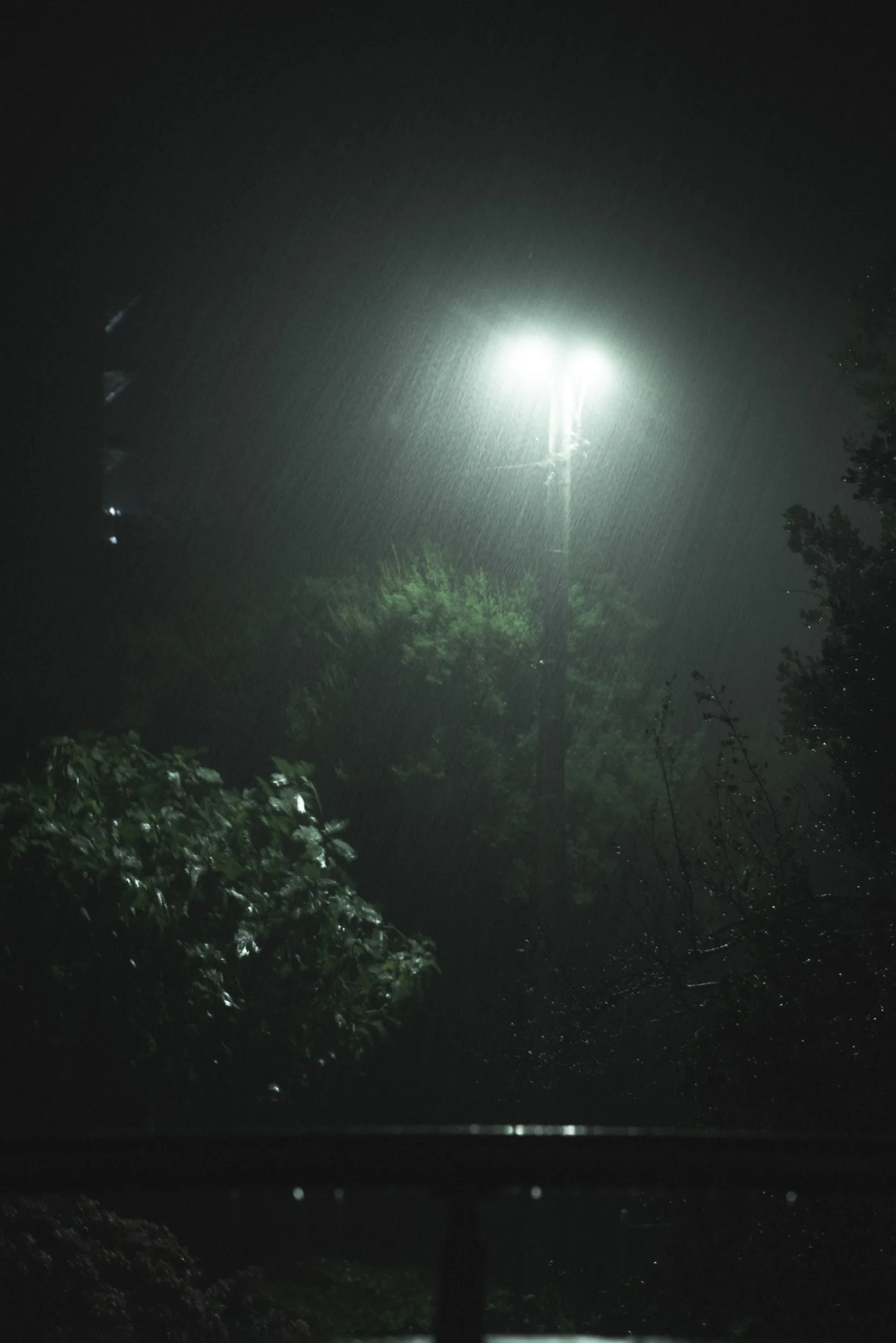
Another important idea in cinematic photography is thinking in terms of wide, mid and close-up frames and its ideally fits after the “shooting in series” section. In design this is called the big–medium–small rule (I have also learned design and painting and partially took it from there).
In cinema it’s more like a standard approach to show a scene. You establish the scene with a wide frame that shows the overall atmosphere. Then you show main characters with mid frames. Then you capture details of these people and of the environment to show further what is it about and how it should feel.
The same approach works very well in photography, especially when you are building a series rather than single images.
A wide frame usually introduces the space. It shows where the people are and gives context. It lets the viewer look at the environment a bit before focusing on details.
A mid frame brings attention closer to interaction. This is often where relationships between people become clearer — how they stand next to each other, how they move, how they share the same space.
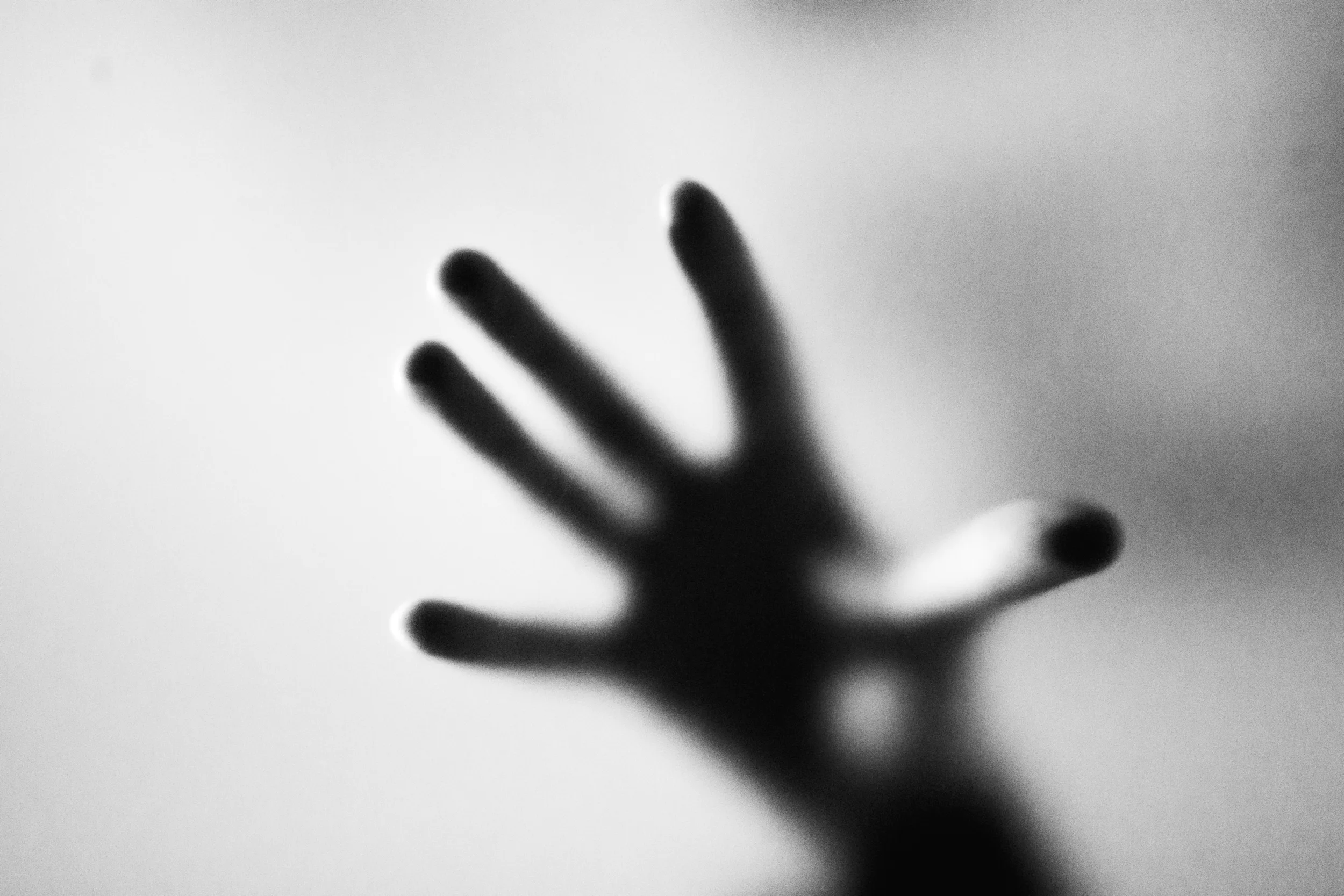
A close-up frame usually shows more emotion rather than context. Hands, faces, small gestures, textures, details of contact anything that goes a bit into abstract more than classic imagery. These are often the images that make the story feel personal.
When you combine these distances inside one sequence, the series starts to feel much more natural and cinematic.
After that you can add just a few of “Transition frames”, that will help you to balance out a series.
Again – This works perfect for wedding, couple and portrait photography! This is probably one of most important things that make my photo galleries look dynamic, lively and engaging.
Colour as atmosphere
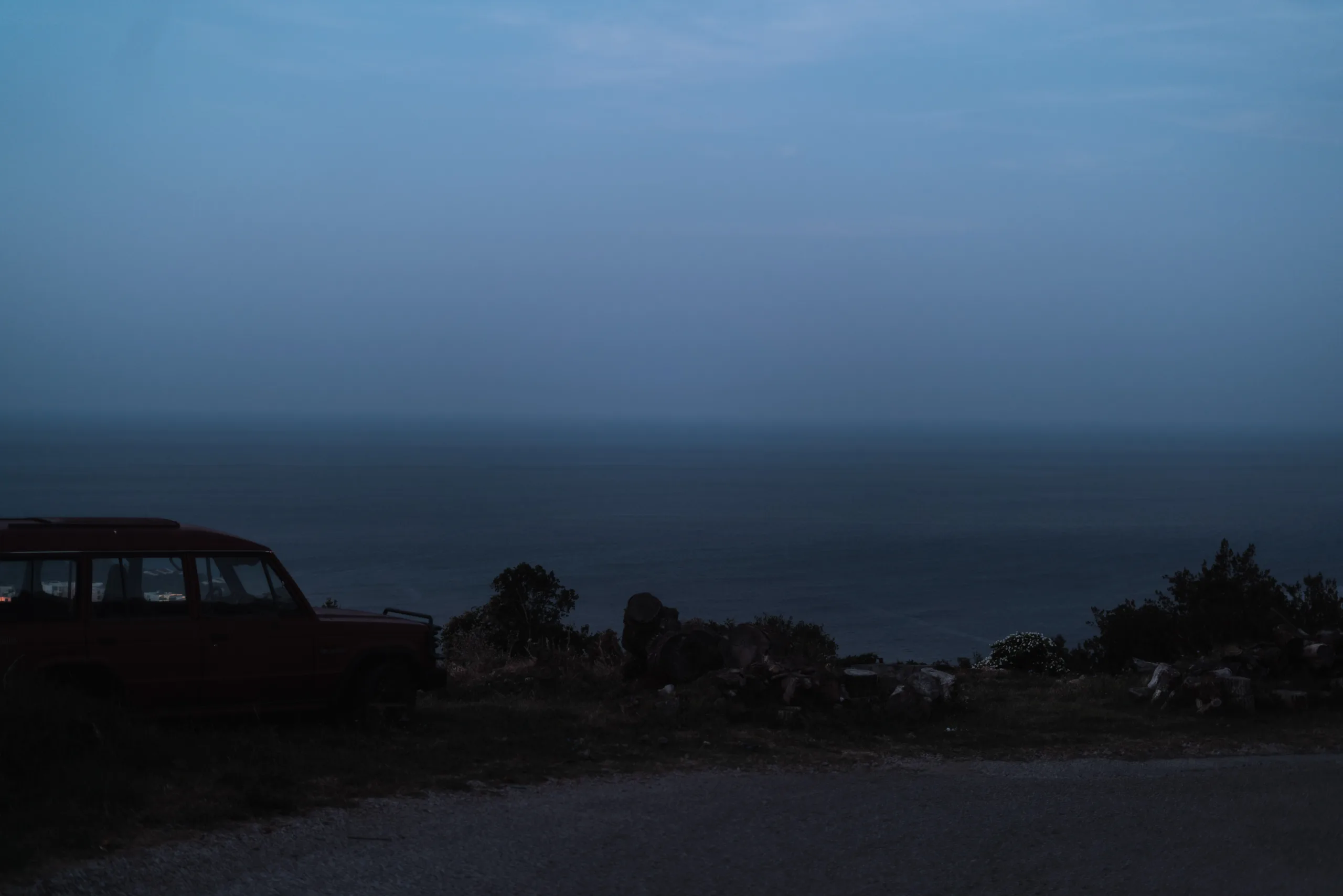
The other important part is colour.
Colour grading is often what finally ties everything together and pushes an image away from “nice photo” territory into something that feels more like a film still. It doesn’t have to be heavy or stylised, but it should be consistent and intentional across the series.
For me, colour is closely connected to mood rather than realism. I’m not interested in perfectly accurate reproduction of what was there, but in how the tones support the atmosphere of the scene. I may make the colours a bit warmer or colder, fade shadows and make them brown while toning highlights into cyan hue or vice versa.
Just in case – All of the shots in this post are digital, I rarely shoot analog but well stylised photos may look like film photos to you.
If you don’t want to build your own grading from scratch, there are resources that help you study how film stock behaves and how colour shifts under different conditions. Check out websites like film-grab.com . And I’ve also written about this on my blog — specifically around how to make a digital image feel closer to analogue by using lightroom and colour grading it there.
But in general, the goal is not to copy a specific look. It’s to understand why certain colour relationships feel cinematic in the first place, and then apply that understanding in a way that fits your own work.
Some questions quickly answered:
Closing thoughts
When I think about cinematic photography overall, it’s really a combination of these layers: light shaping space, people behaving rather than posing, images existing as sequences, and colour holding everything together.
Cinematic style is a certain style, yet I feel like I naturally came to it over years and years of practice. After learning how to create 1 beautiful picture you start to think how to shape a whole photographic project, and here is what cinematic style is about. Each photoshoot is more like an art-photography project. You no longer think of it as single frame but think of a collection of frames strengthening each other and telling a story.
If you are planning a wedding or couple photoshoot and this approach feels close to what you are looking for, I also create cinematic photography through Comet Photo. You can see recent wedding and couple work there.