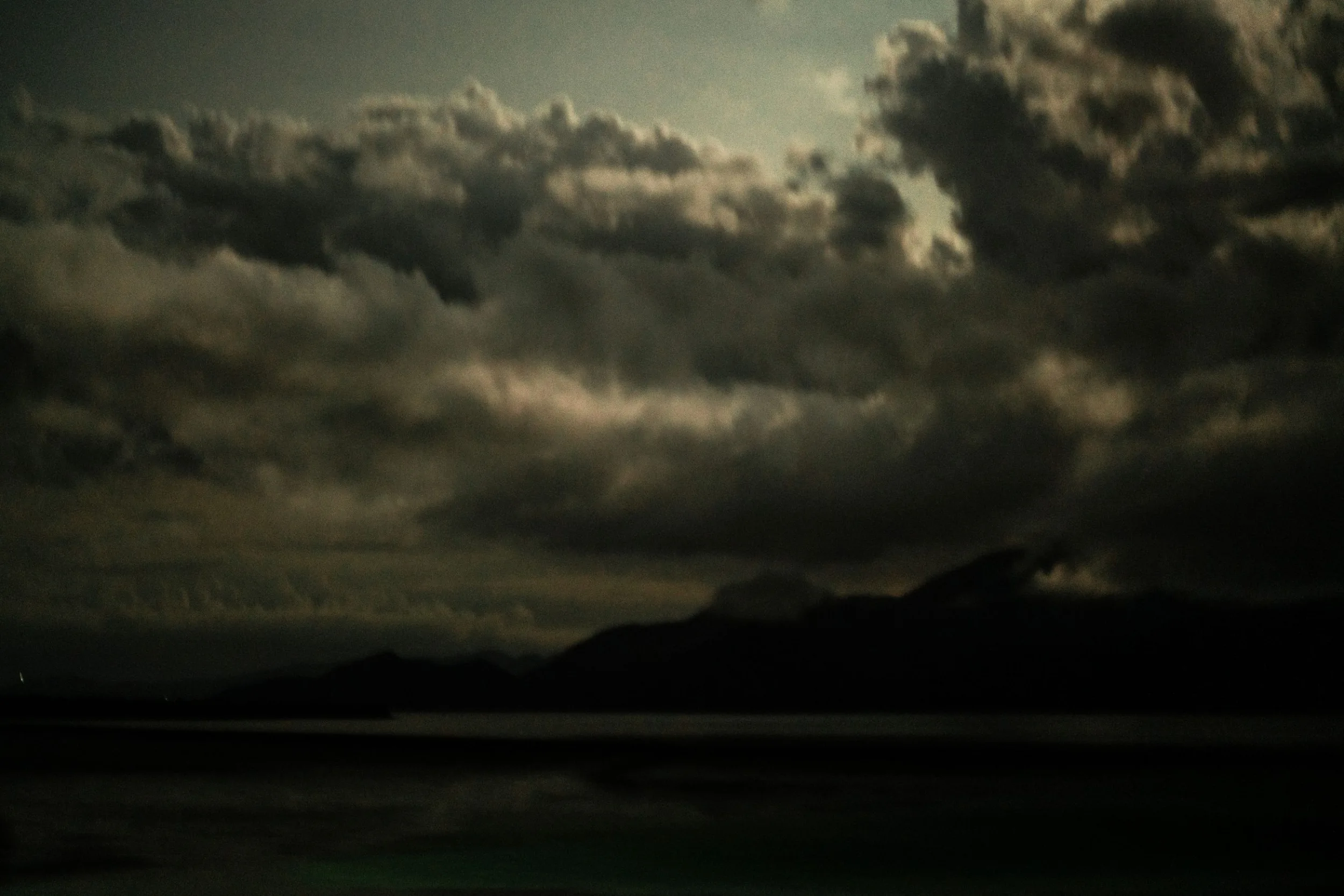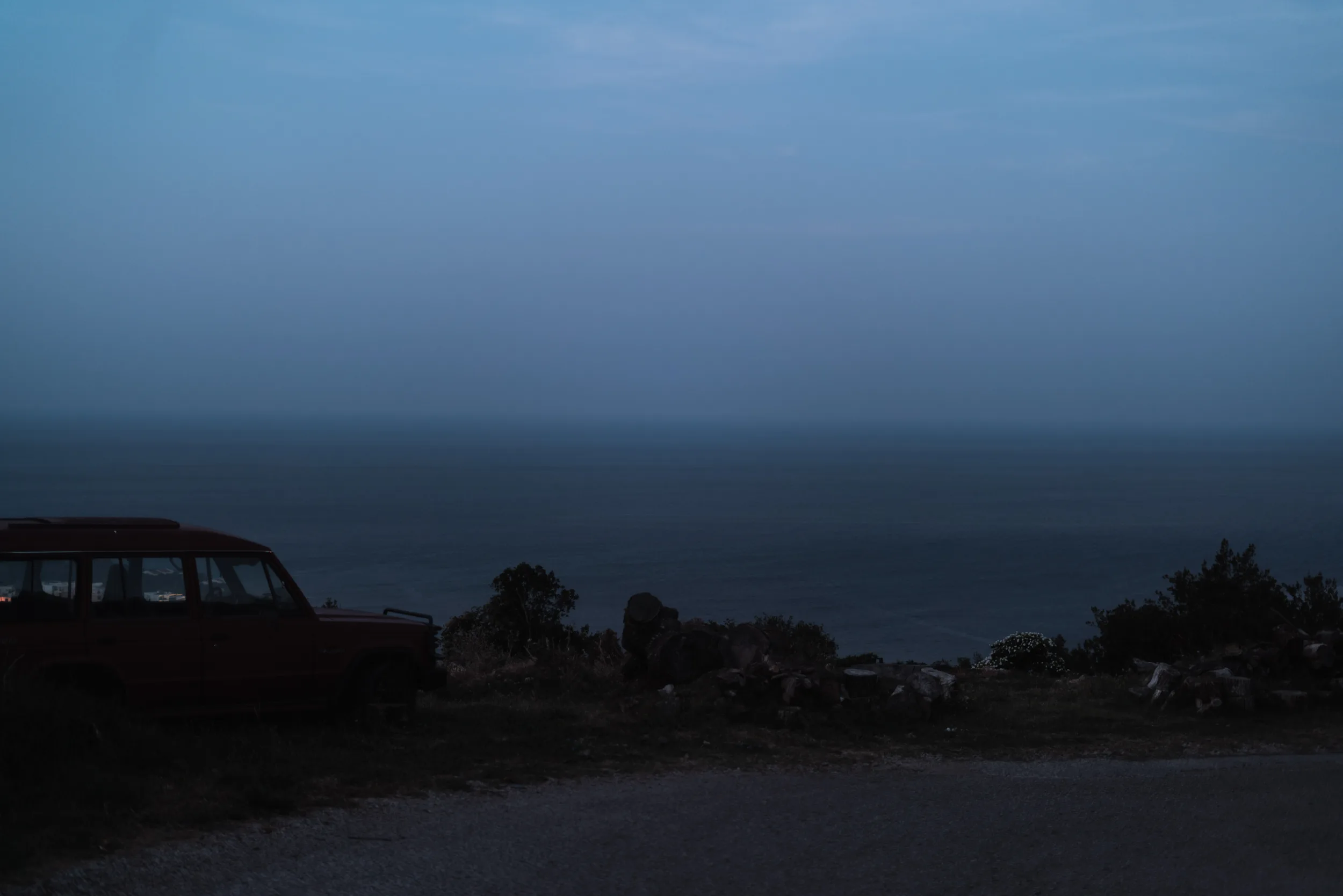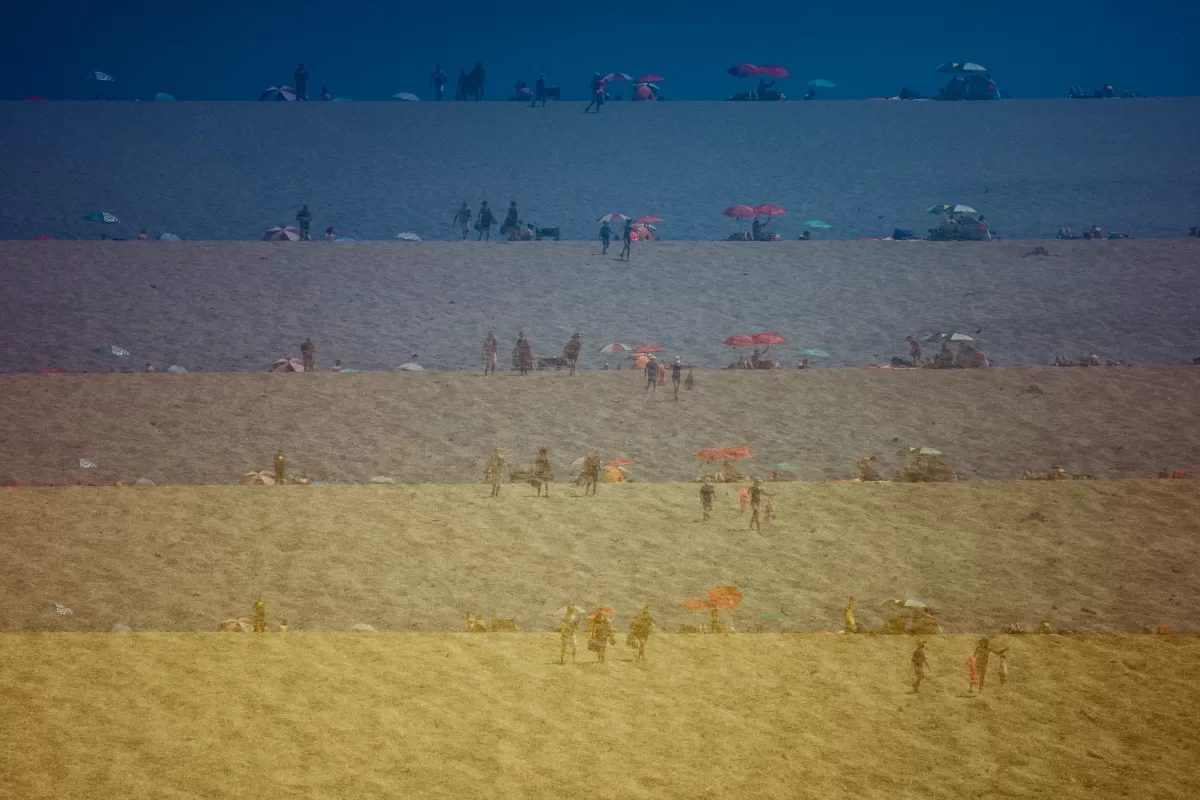
Lately I have been doing quite a lot of double exposure photography as well as diptychs and other techniques when 2 or more images are combined and here I would like to invite you into this world of creativity, give an introduction and tell what multiple exposure photography actually is.
Table of Contents
Introduction to Double Exposure Photography

Definition and Brief History
Double exposure photography, or multiple exposures, is a technique when two or more exposures are recorded in the same frame. Then normally highlights are overlaying the exposure that is below and the shadows remain transparent.
Double exposure traces its origins back to the early days of film photography, where it emerged as a result of unintended camera mishaps. Yet, as artists and photographers began to harness this effect intentionally, it blossomed into a deliberate and expressive form of visual art.
Initially, photography had the purpose of capturing the world as it is. People started using photography services because it was cheaper and faster than getting their portraits painted. And some painters, by the way, did another kind of marketing. They told their client that they could, of course, go to a photographer and get their portrait photographed but as painters, they can refine and enhance the beauty of their clients. Let’s say it was Photoshop of that time. Still, photography was more affordable and practical, that’s why painters started doing more surreal and abstract works in the 20th century.
After some time, especially when photographers started using film they noticed the effect of overlaying one exposure over the other one. Photographers always experimented and this was the time when taking a precise representation of the world was not as difficult anymore. That’s why more artistic and abstract photography also emerged.
The Artistry Behind Double Exposure
Double exposure is a type of fine art photography since it doesn’t represent the world, it represents the ideas and vision of the photographer. Double exposure is slightly similar to collage art in the sense that by taking two images you have to find out how well they work together.
The potential of double exposure photography is vast. You can express your feelings and concepts through these quite abstract photos. A photo of a tree can become a portal into another world, birds can fly against the backdrop of a theatre curtain and so on. The limit is only your imagination.
Techniques and Tools

Exploring Camera Settings
Nowadays almost everyone shoots on digital cameras. Though if you shoot on film, the settings will be the same but you need to check if you can roll your film one shot back to expose this frame for the second time.
If you are looking for film for these experiments, my friends at Berlin Photo Studio have a good variety of film and film photography equipment. This is an affiliate link, so buying through it also supports me.
For digital photography check if your camera has a built-in multiple exposure mode. This allows you to overlay exposures directly in-camera, streamlining the process. One problem it creates is when you have the first exposure captured, you walk around searching for the second exposure and that slows down your process so you might miss a few shot possibilities. If you don’t have this option you can blend the images together in an editing software later.
The best thing is to always underexpose your shots when you do double exposure photography. Adjust the exposure compensation to underexpose slightly to preserve highlights and ensure proper blending of the exposures.
Concerning camera settings, you can always shoot in any way you want. These can be long exposure shots or shots with bokeh, or on the contrary, very sharp images with aperture f8-f10.
Carefully plan the positioning of subjects or elements in each exposure to create a cohesive and intriguing final image. Experiment with different overlays and compositions.
Software and Editing Tools for Double Exposure
For combining two shots into a double exposure shot I personally use Photoshop. If you don’t have Photoshop and don’t want to buy it, you can also use Photopea.
How To: The Whole Process
- First open 2 selected images in Photoshop or Photopea

- Then Duplicate one picture to the other. Do it by right-clicking on the background layer and then choosing the option “duplicate into” in Photopea or “duplicate” in Photoshop. Then choose the file you want to duplicate this image into.

- Choose the Blending mode in your double exposure shot and place your layer as you would like to see it. Use the Move Tool to arrange your shot in a nice composition.

- Crop your image when needed.

- When needed you can create another layer in between and fill in the gaps for smoother blending. Choose the Brush tool (Press B for that) Then right-click anywhere on the picture and select hardness for 0. Then press alt to select the colour and paint over empty areas.

- Ready! Now we have this beautiful window with light coming from the lightbulb hanging on the outside.
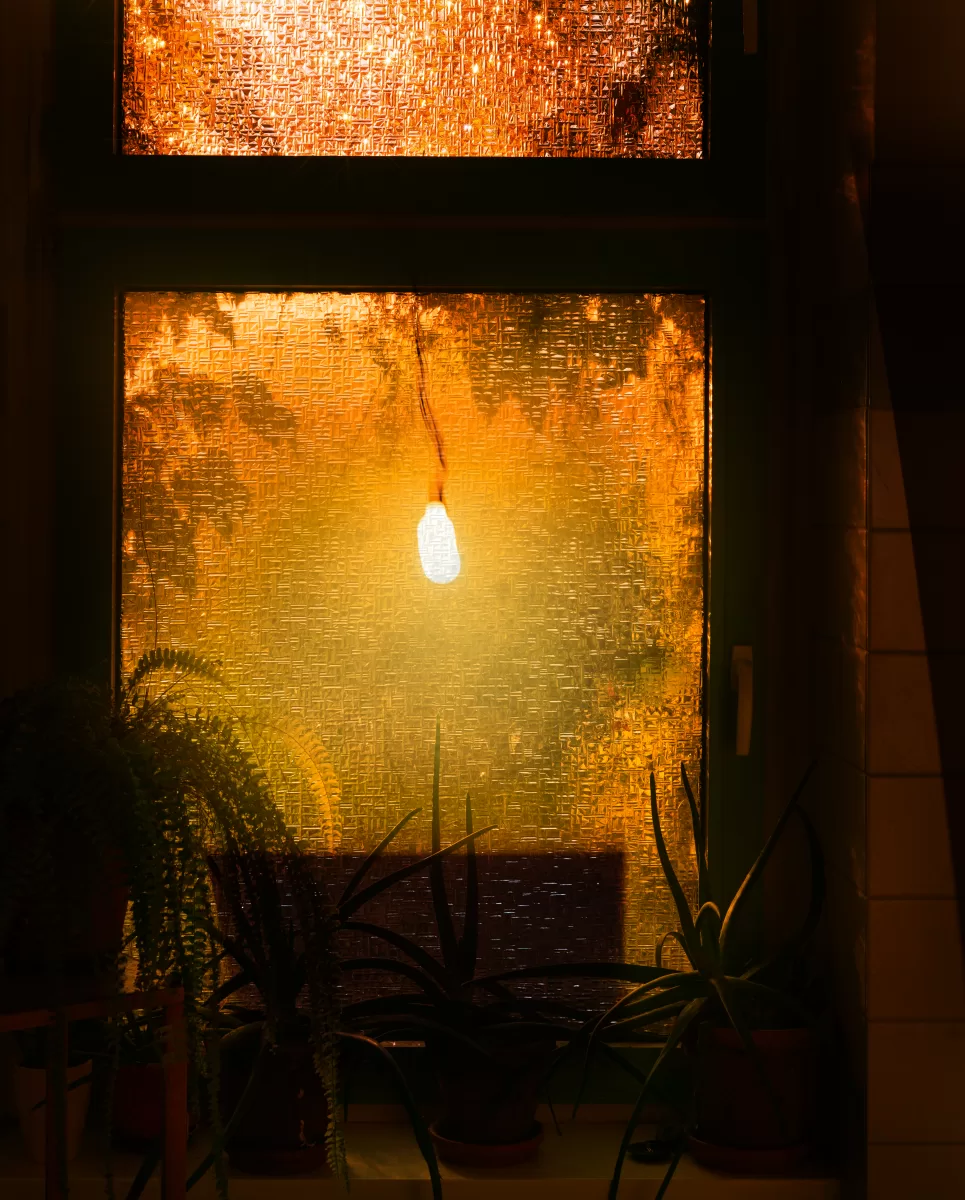
- To have more power over these techniques you can also use masks. For example, to make the lightbulb brighter I decided to make the layer with the window slightly more transparent. I applied the mask layer and then used a soft brush (black colour) and set the opacity and flow of the brush to ~ 15%.

Capturing Life through Double Exposure
Conveying Emotions and Stories
Double exposure isn’t just about capturing scenes; it’s about weaving tales within a frame. It’s about illustrating the passage of time, relationships, or the dualities of life. It’s an art form that intricately connects visuals to emotions, crafting narratives that provoke introspection. These compositions hint at contrasts, reveal hidden connections, or depict the dance between different aspects of existence. Each composition becomes an invitation, urging viewers to interpret and engage, fostering a personal connection to the visual story being told.
Highlighting Contrast and Depth
Double exposure adds layers to an image, infusing it with an almost three-dimensional quality. It’s not merely about overlaying images; it’s about intertwining stories and emotions that elevate the depth of a photograph. By fusing different elements, it creates a sense of depth that invites viewers to explore and immerse themselves in the multiple layers of the visual narrative.
When double exposure is done masterly it attracts the viewer’s attention to the key points of the composition and through the pay of shapes helps you to create this contrast that sometimes is hard to find.
Creative Inspirations
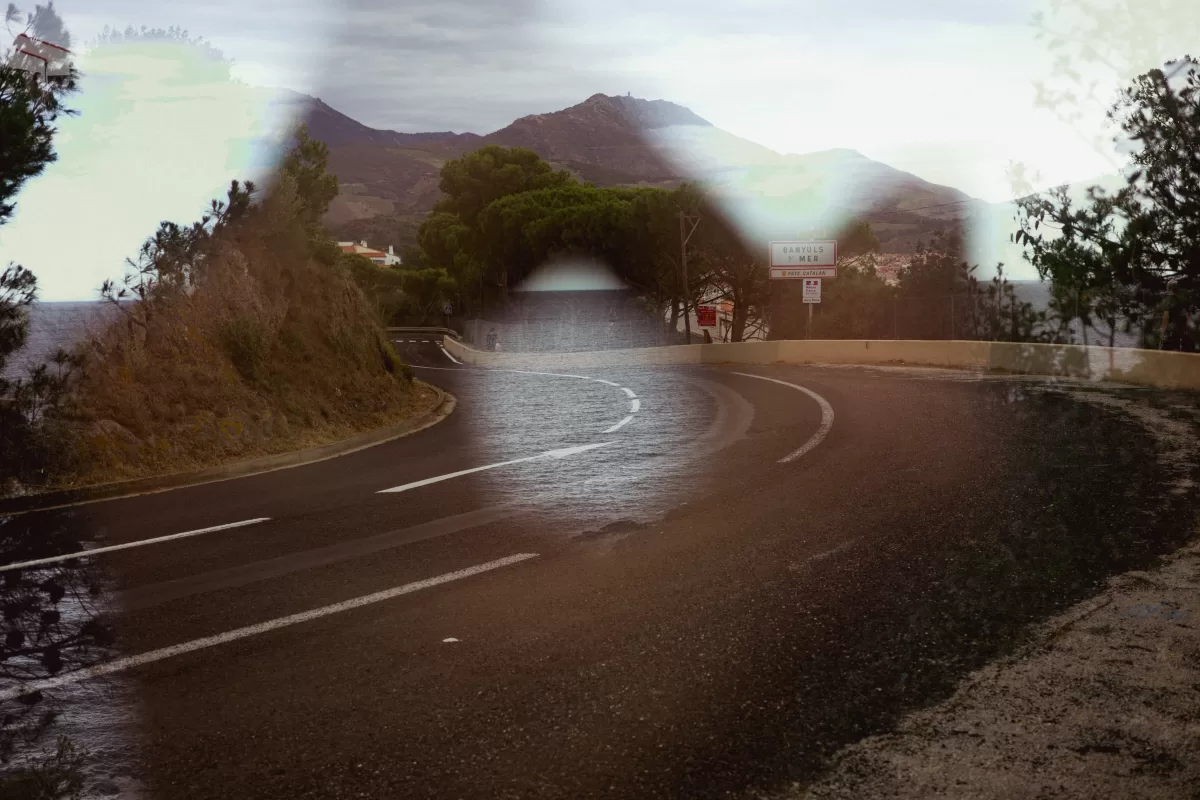
Creativity knows no bounds in the realm of double exposure photography. Exploring this artistic technique opens doors to endless creative possibilities, drawing inspiration from various sources and sparking innovative ideas.
People and their stories are an endless wellspring of inspiration. Portraits overlaid with urban landscapes or close-ups merged with significant landmarks—these combinations not only encapsulate an individual’s essence but also weave their narrative into the visual story. Every face tells a story, and blending it with relevant environments adds layers of depth and meaning.
At the same time, it’s important to understand shapes for double exposure photography since it will help you to work with them and bring people’s attention to the main points of your shots. Silhouette photography works well for double exposure as it also has fewer details.
Practical Tips and Tricks

Perfecting Composition and Framing
- Always try to think of your shadows as shapes that you can fill in with details later. However, remember that it’s very easy to get a lot of clutter on your double exposure shots. So for a good composition, both shots should be quite minimalist, then in the end image you will still get many things going on but it won’t look messy.
- Don’t forget that sometimes you can turn the camera and see how things look when you rotate them. A man walking a dog on a wall of a building – why not?!
Combining Different
For double exposure compositions it works well when you have 2 quite different shots combined. For example, one shot can be long exposure and one sharp, or one of them can be quite unfocused. Unfocusing your shots may help you to get the dynamics of double exposure photography while not overcluttering the image with details. A good idea is to combine a portrait with a shot of bokeh, for example.
Some Q&As

What distinguishes double exposure photography from traditional photography, and how does it contribute to storytelling?
Double exposure is more abstract what helps to tranfer the attention to the mood rather than representational qualities of a photo. I would say, it’s another way to create collages out of your photos, but instead of sticking one piece of picture to another you overlay the first photo with the second exposure.
Are there specific camera settings or techniques that are crucial for creating impactful double exposures?
Best to underexpose both shots, and seek for interesting shapes to place your subjects in. Ideally the both shots should have good interaction between each other. For example silhouettes of people from the first exposure can in a way affect subjects from the second. Or textures from one can be placed inside the subjects from the other.
What are accessible software or editing tools for those interested in trying out double exposure photography?
The best will be of course Photoshop, otherwise you can use Photopea. And aside from that there are many apps available is you edit on your phone.
How does double exposure photography uniquely convey emotions and narratives in visual storytelling?
Double exposure merges two images, intertwining emotions and narratives within a single frame. By juxtaposing contrasting or complementary elements, it creates a visual synergy that transcends traditional photography.
What are some common pitfalls or mistakes to be aware of when experimenting with double exposure photography?
Overcomplicating compositions, mismatched exposures, and neglecting subject placement can hinder impactful double exposures. Cluttering the image, improper exposures, or misalignment disrupt the intended narrative. Inaccurate settings may lead to overexposed highlights or underexposed shadows, impacting seamless blending.
How to select suitable subjects for those exploring double exposure photography for the first time?
Start with simpler subjects featuring distinct silhouettes or clear outlines. Contrast in shapes, textures, or colors aids in compelling compositions. Experiment with portraits against nature’s backdrops or architectural elements against open skies. Gradually explore combinations that evoke emotions or simple stories to understand how different elements interact.
Conclusion
While I haven’t been practising double exposure photography as much as I would like, I plan to devote more time to it in the future. This technique is something that can really make you take a step back and think about your photos from a different perspective, helping to enhance your photography abilities in several ways. It’s a great way to stretch your creative muscles, and it can also help to improve your technical skills, as you are forced to think in terms of composition and light. And, ultimately, it can help to make your photos truly unique and special.
And, as always, if you would like to see more examples of double exposure photography you can simply search for images on Google. Most of them will be quite bad and not very creative, and it’s great to see them understand which types of double-exposure photos are recreated and copied millions of times, to enrich your visual library and start creating something more unique
If you’d like to check out other related articles with photography exercises, hit the links below:
Diptychs in Photography. A Great Way To Train Your Creativity
Artificial Light Photography. Effective Photography Exercise
Best photography exercise for creativity
Reflection Photography. Train Yourself To See Beyond
Thank you for reading till the end! If you would like to support me, you can subscribe to my blog, tell about it to someone who might be interested in photography and support me on Patreon.