
Table of Contents
Exposure in photography is nearly the most important tool for your artistic style. For a very long time, I didn’t pay enough attention to this question: How to choose the correct exposure? Exposure in photography is one of the fundamentals since photography is all about light.
In this post, I will describe how you can manipulate Light by choosing the settings of your camera. Will try to give some insights into how great images are created. And also try to focus attention on a complete understanding of exposure.
When I was starting out, what I found in different tutorials, is that I need to use manual mode on my camera, to learn faster. I was walking for years taking pictures in manual mode. I didn’t have any understanding of how to expose a photograph. By that I mean I was learning how to use shutter speed, aperture, and ISO but not the exposure. It’s good to master all basics, but I actually barely use manual mode and mostly shoot in AV since I can do almost everything with that.
What is Exposure

To say in simple words, it’s your choice of how much light you want to have in an image. You can photograph in a way that the sky will be pure white, and that is regarded as an overexposed photo, or you can make the sky nice and blue but usually shadows on the photo will appear almost black. Since contrast of some scenes is very high, a shadow can be 1000 times darker than the sky. When exposing your photograph you can decide if you want to capture shadows or highlights, or you can go hard on and try to capture everything.
In conventional photography you usually try to capture all details in the same way as the eye sees. That’s why the classic way to expose an image is to make it averagely bright. But since that approach sometimes creates a barrier to creativity, I would like to discuss it more in detail in this post.
The mistakes that I made
What mistake I made for an embarrassingly long time is that I exposed the images without thinking of how I wanted to see them. Since obviously, the cameras can’t see the world the same way we see it, it’s better to understand well how to use these limitations. Our eyes can capture much more information than the camera. I remember people saying it’s so beautiful but it won’t look as good in a photograph. And Yes it won’t look the same in a photograph, but in many cases, it definitely will not look worse.
- Shooting without thinking about how you capture the light but thinking solely about composition
- Shooting in auto mode
- Shooting in manual mode and setting the exposure to 0 in all cases
- Overexposing the images (yes, underexposing the images is not a mistake and I will tell why below)
How is important exposure in photography
Knowing how to use exposure in photography and how to choose the right exposure setting opens up a great way to manipulate almost everything in your photograph. You can change the mood of the whole photograph.
Good photography is a stylised version of the world and not a copy of it. By changing the angle you can make it more or less dynamic and can attract the viewer to your subject. You can do almost the same by exposing the pictures with the aim to show your subject and improve your photography composition. Photography is a form of art and it’s very versatile. Of course, in some cases it’s important to show the colours and light the same way as in the real world, there are cameras worth 40 thousand made for it. But here we are talking a bit more about your own perspective of the world and that’s where it’s very important to know all the artistic tools and basics to create the masterpieces that you will share with the world.
How dynamic range works
Let me quickly explain to you how exposure in photography and dynamic range works.

So the biggest line in this picture is the whole range of light from shadows to highlights.
Since we can not see all of that, the dynamic range of our eyes is narrower. The most narrow is the range of your camera. Exposure in photography is your choice of which part of the light will be captured. Since the camera can’t capture everything. So anything on every side of the line will be either too pure white or pitch black.
And if you expose your picture by focusing on highlights (to not overexpose it), you will get a lot of shadows. And vice versa if you expose the shadows you will overexpose the highlights and get a lot of white on your picture. it’s like moving your narrower range line along the whole range of light. I will show some examples below.
Classic exposure
The picture below was exposed automatically and right in the middle of the light metre. Basically, the camera captures the mid-tones but not most of the shadows or highlights.

Since the camera can’t see the whole range of light, I get overexposed highlights and underexposed shadows. And the mistake would be to try to make the shadows brighter and highlights darker. All you will get is not these details in the shadows but artefacts and noise. Aside from that by brightening shadows and darkening highlights you make the whole photograph flatter and more boring. And one more danger you encounter is to get all these details in the frame and making the photo cluttered.
Of course, you can try to use HDR and combine 3 images to get a bigger dynamic range. Then potentially you can bring up more shadows and darken highlights further.
But what I want to say is that you can turn your narrow dynamic range into an artistic tool.
Underexposure (Exposing for the highlights)
Many great photographers and cinematographers expose the frames for the highlights.
I did the same in the example below

-2 exposure to protect the highlights from overexposing
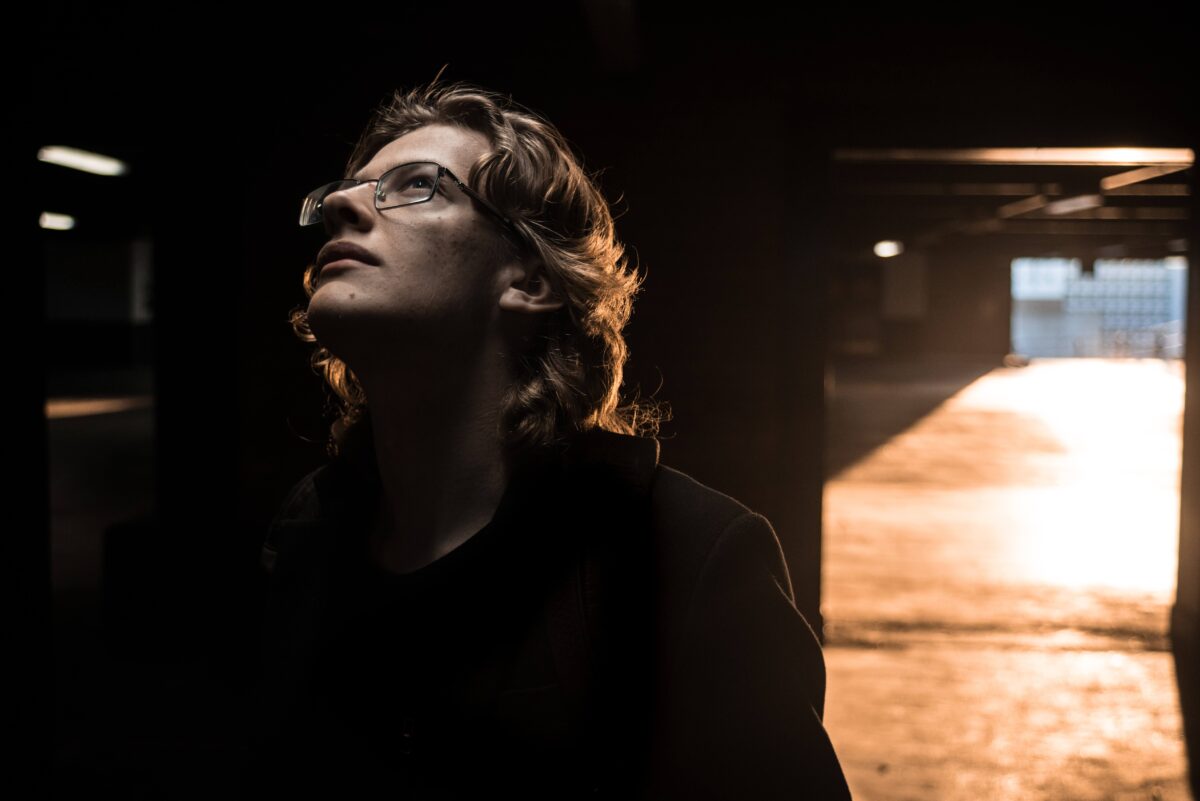
I took this picture ~2 steps darker. In this example, the dynamic range of the camera is positioned in the highlights area. It instantly created a lot of negative space and dark areas where you can’t see any details at all. I personally like focusing on the highlights since it’s a great way to hide all the unneeded and odd details in the shadows
Overwxposure (exposed for shadows)

Sometimes you can also expose the shadows, and then the highlights will glow and will be completely white. I would only recommend doing that if you have a certain idea and the needed details are only in shadows. You might need it for portrait photography for instance.
Overexposing a photograph is a rare thing since we do not often see highlights overexposed and it looks less natural.
Compare 4 Ways to Capture Dynamic Range
What I try to say is that there’s no exact, correct way of exposing an image. You only need to choose the optimal exposure for your needs. Different light setting and purpose – different exposure. As a short recap, let me show an overview of the different exposure types below.

How to expose highlights and use shadows as an artistic tool
So once we know the different ways to expose a photograph let’s start to use this as an advantage. Don’t be afraid of the dark shadows. Try to see patterns in them and find interesting ways to compose them. A shadow can create context and make the composition more dynamic. One of the most important things in design is shapes.. They create the mood of any artwork. The design of the shapes is a completely different topic but what I wanted to mention is that the shadows can work as very good big shapes. They can be dynamic if they lay diagonally or static if they are positioned horizontally and vertically. They might make a picture calm and relaxed or eerie depending on your own desire.
For example if you’d light to make a digital photo look like film you’d need to also protect highlights from overexposure as film has quite a wide dynamic range and normally has good details in the highlights.
Luckily It was sunny during the time I wrote this post and I took some photographs where I can show how a picture can be better if you turn down the shadow


By using the shadows you open new horizons in your photography game.
If you use Manual mode try to expose your highlights perfectly and shadows darker and try to see where you can make them even darker. If you’re like me and use AV mode I would suggest using exposure compensation and (when needed) set it to -1 or -2 until you see nicely exposed highlights.
How to train this technique

For small training, I would suggest:
- Go out with a camera on a bright sunny day.
- Try to switch on AV mode (aperture priority), set the aperture around f6-8
- Set exposure compensation -2.
- Walking around, try to find highlights around you, try to see the shadows and the shapes. If you see an interesting spot of light in a shadow, focus on it and leave the shadow dark.
- This way you can add a lot of mystery to a photograph, hide a lot of things inside the shadows and attract the viewer to the desired part of an image.
- One more thing you can do in post-production is to also darken parts that aren’t completely dark but also not needed there.
- If you try making the photographs this way for a couple of hours you will definitely start to make your images more minimalistic and subject-focused.
low key images exposed for highlights
Low key is kind of that natural way to go. It doesn’t have to be precisely low key at all times but your subject should not have overexposed highlights, that naturally looks better, when your subject is well lit and the background is darker. Exposing for highlights is probably the rule that changed my photography at some point, and my photos are never the same as they used to be.

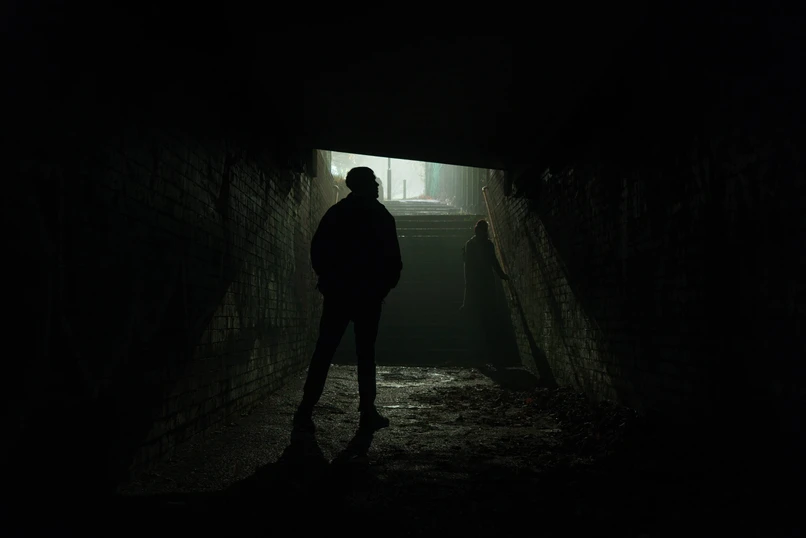


That’s everything I wanted to say about this topic. If you enjoyed my photography tutorial and want to try out this technique of creating low key images I’m sincerely happy about that.
Thanks a lot for reading till the end. If you enjoyed this tutorial and would like to see more, you can go to my blog section for photographers and check out many more posts. If you would like to support me you can subscribe to me on patreon where I also have a free self learning course where I share much more info in a detailed way from basics to more complex stuff.

Comments are closed.