So I remember for about the first two years I liked to get a really high-quality shot. Oh yes, I put my camera on a tripod and took long exposure shots of cityscapes and landscapes just to get the most quality out of it. I tried to expose the shots perfectly and so on.
But I’m looking back at these high-quality shots and realise that it’s the least important thing. Of course, it’s important to learn how to capture things in high quality. But you can skip this part and learn it on the go. Just practice and not pay too much attention to it.
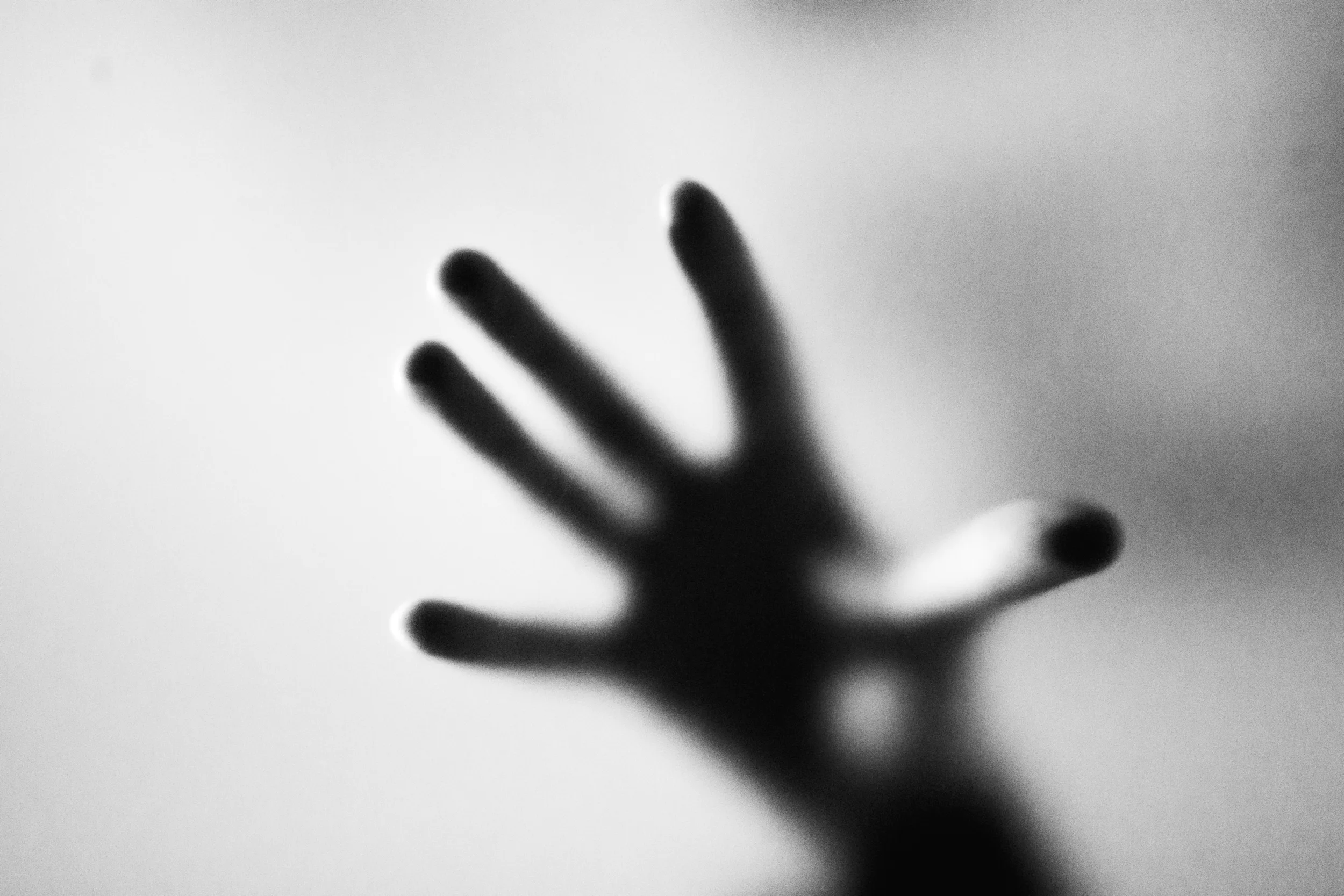
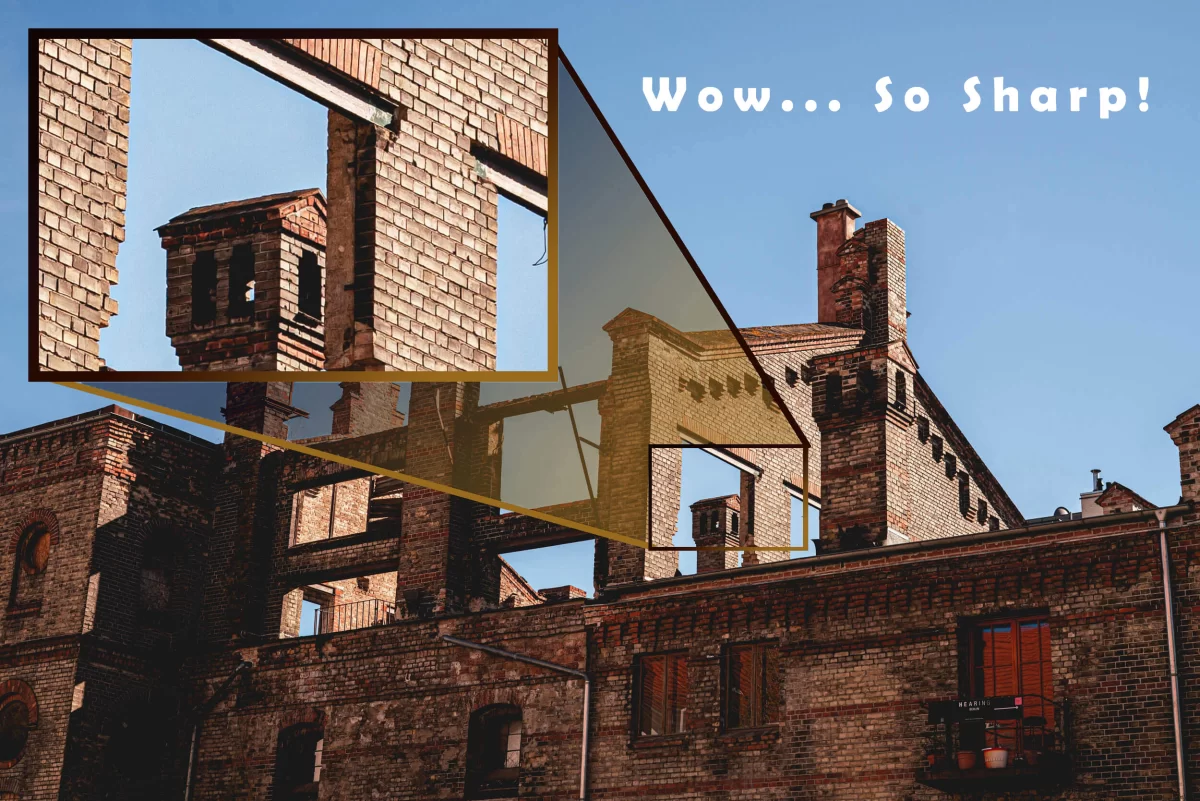
Remember, if a photographer tells you how cool he captured a cityscape in super high quality and every detail is sharp – you are talking to a newbie. For masters photographers, it’s not a challenge and they do not pay much attention to the sharpness and correctness of a shot unless they need it. For example, Harry Callahan took a lot of distorted and blurred images. They are also a lot more famous artworks than just sharp landscape photos.
When you want to get a high-quality shot, try to think if it is worth it.
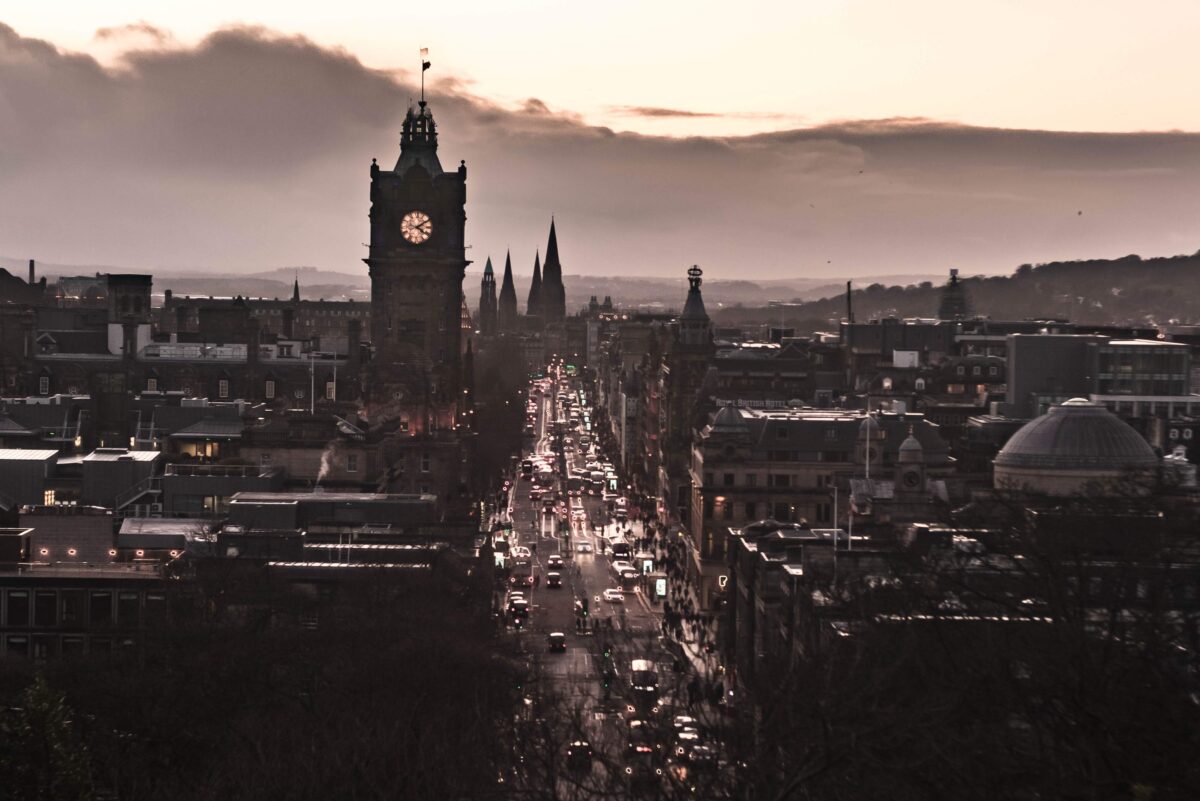
Ask yourself how many shots like these are taken. Maybe there are hundreds of pictures exactly like this. Do you need to replicate the work that has been done already? Only for copyright purposes, otherwise Ctrl+C then Ctrl+V and ready.
Many of us have been to touristy places. I have seen queues to take a shot of exactly the same view from the same spot.
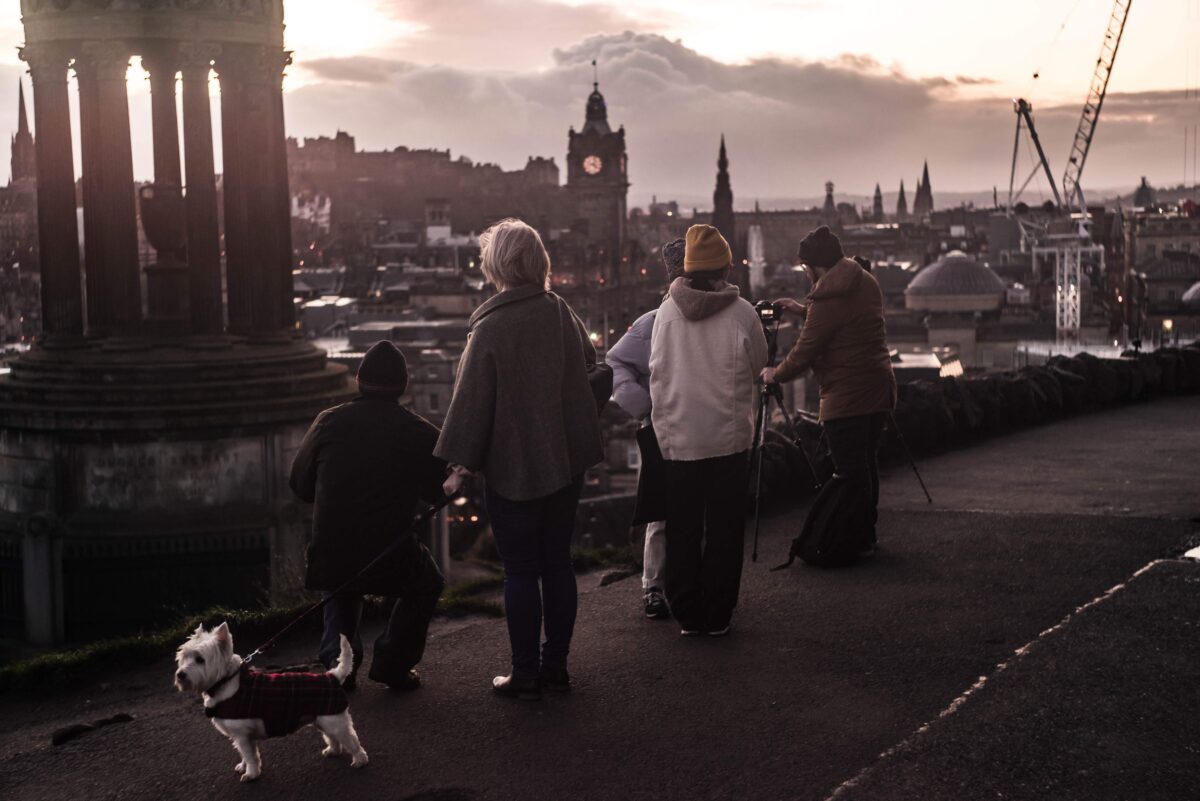
I personally did it quite often when I was starting out because I wanted to get a high-quality shot too. But now I even have a separate post about imperfect photography. Sometimes you might even deliberately add noise or blur pictures. It may improve artistic expression and tell the story more clearly. Photography is not limited to just capturing sharp shots without noise. It’s actually the very first step in your photography journey to learn how to take high-quality shots. To take an image like the one above you just need to learn how to use your camera, to create a fine art photo you need to learn for years.
Copying someone’s work and taking a high-quality shot are also beneficial sometimes.
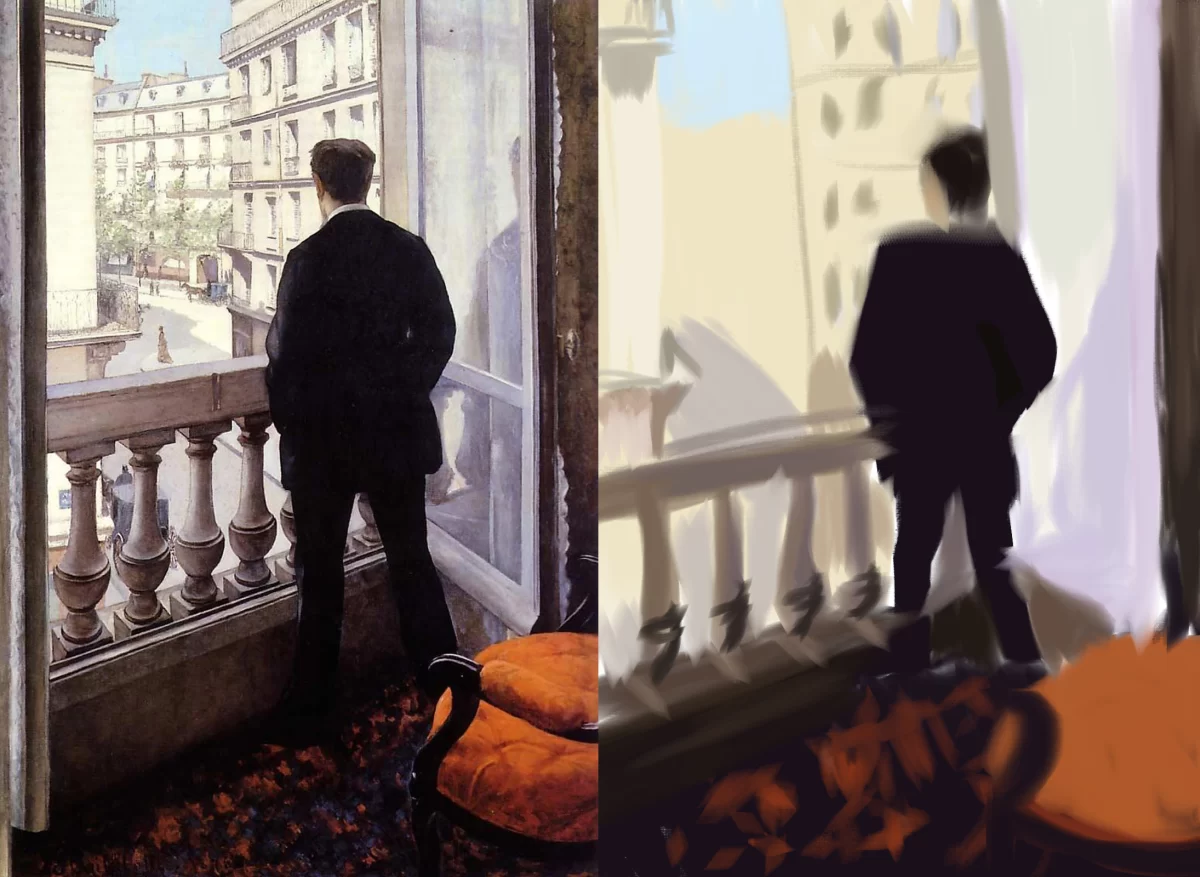
When I mentioned that people just take high-quality shots without thinking of the subject I told that it’s not needed. Yes, don’t focus on just creating high-quality photos, you need to go further than your camera settings. But since all of the photography for you is a learning process it can only benefit you to learn how the photographs you love were created.
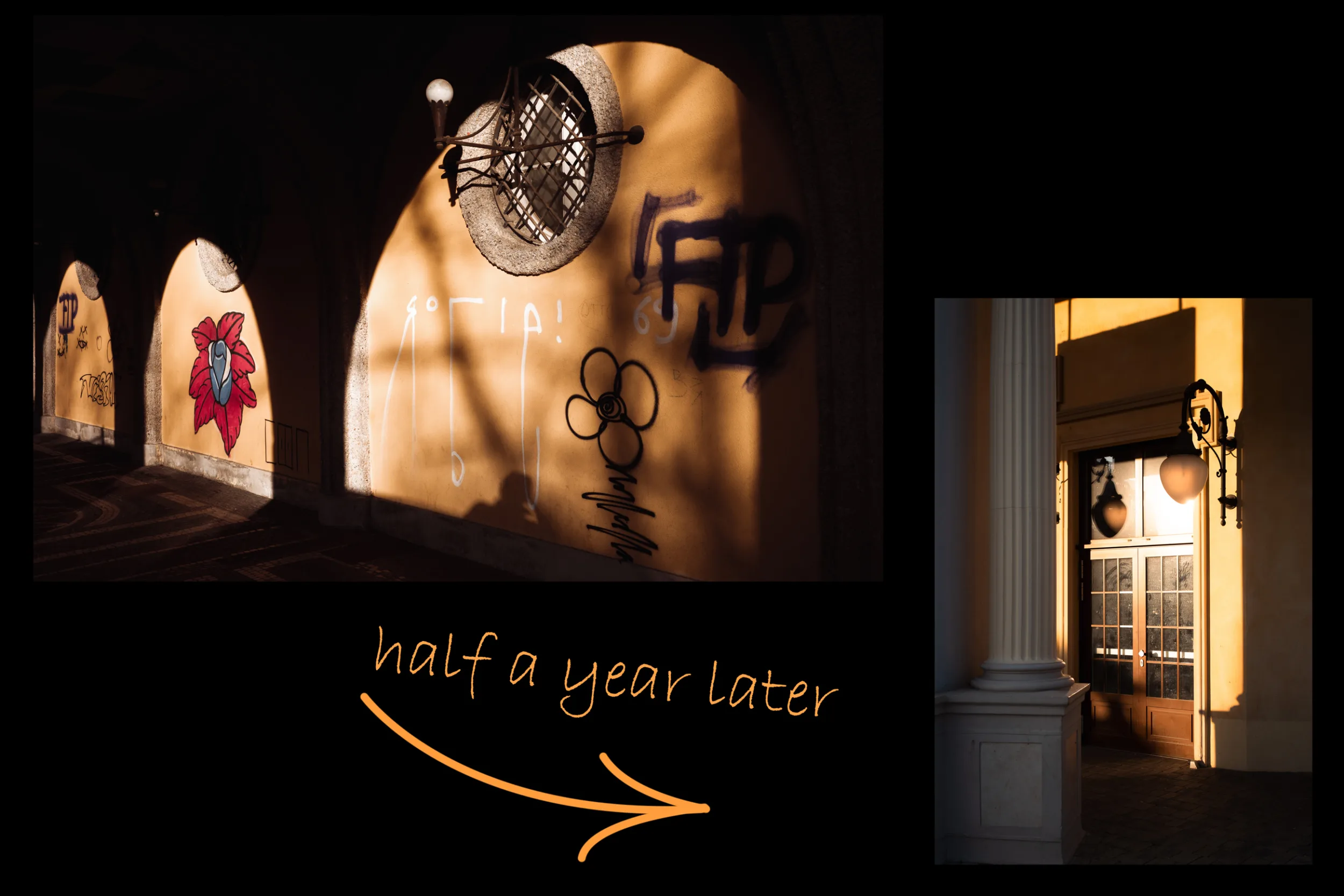
To learn how the shots are done it’s good to copy the works you love. One thing is that you shouldn’t post it, it should be only your learning material. Don’t stick to it too much, just do it and go forward straight away. As in the example above, I did such studies to learn the colours and values in visual arts. So I overpainted quite a lot of artworks, it’s a great source of inspiration and makes you see things differently.
To become a photographer and not a man knowing how to use a camera, try to express your emotions and feelings through pictures and not just make a high-quality shot but tell your story.
I wish you a lot of luck and courage in your photography journey. Try out everything and find your unique style. Check out more of my posts on the main page of my photography blog and specifically the posts about imperfect photography and black-and-white photography. You can also subscribe to my blog to get post updates, stay tuned and learn photography faster!