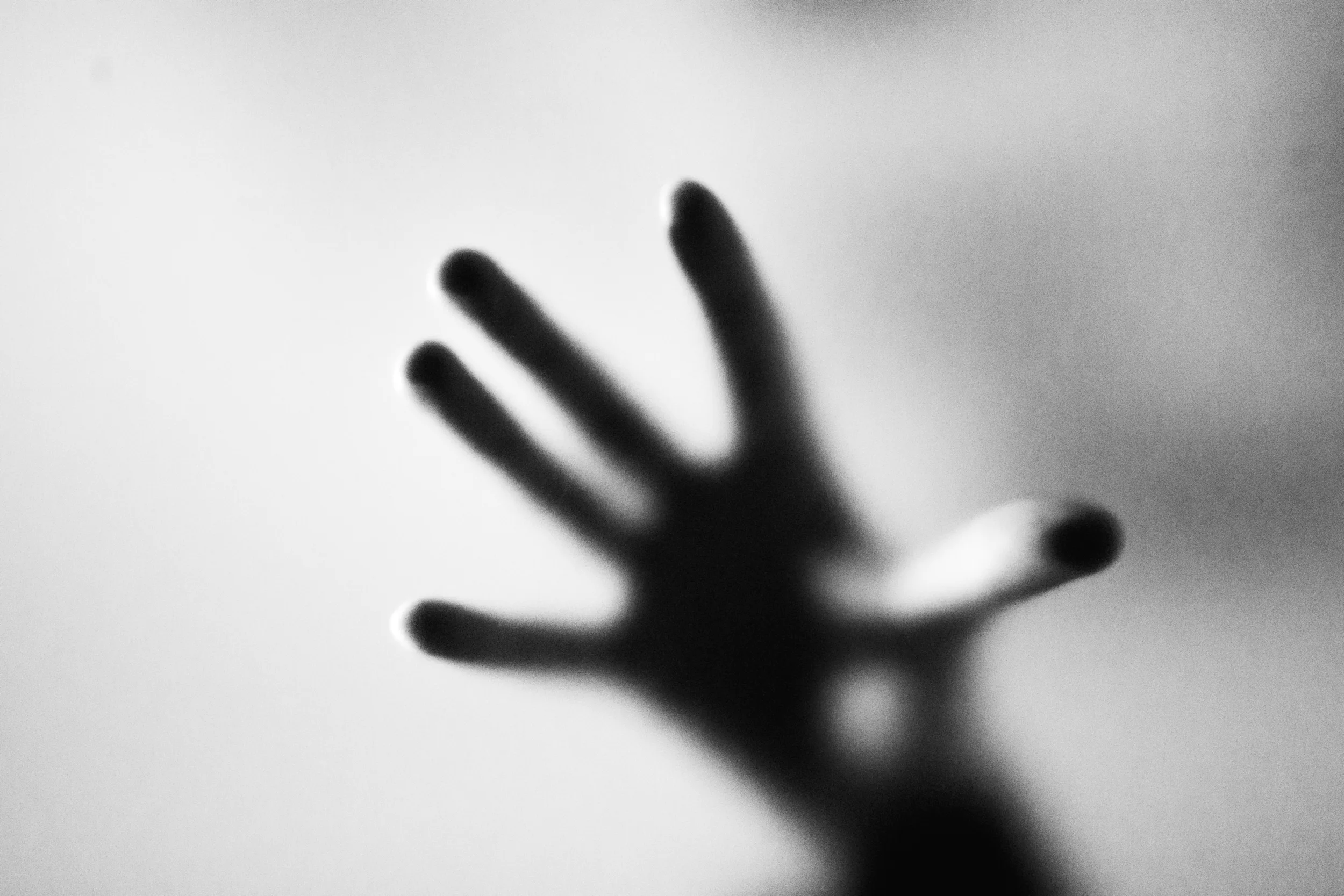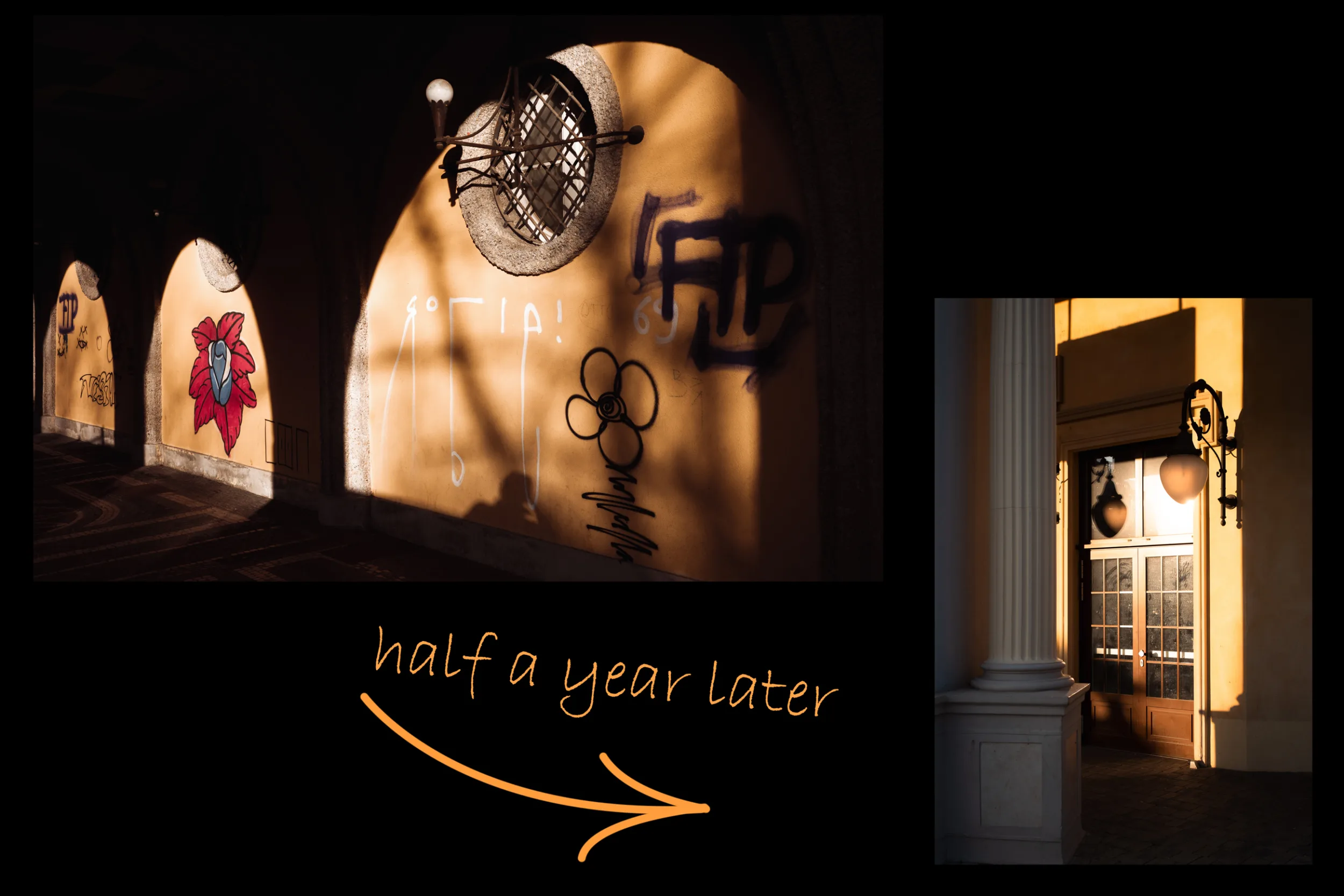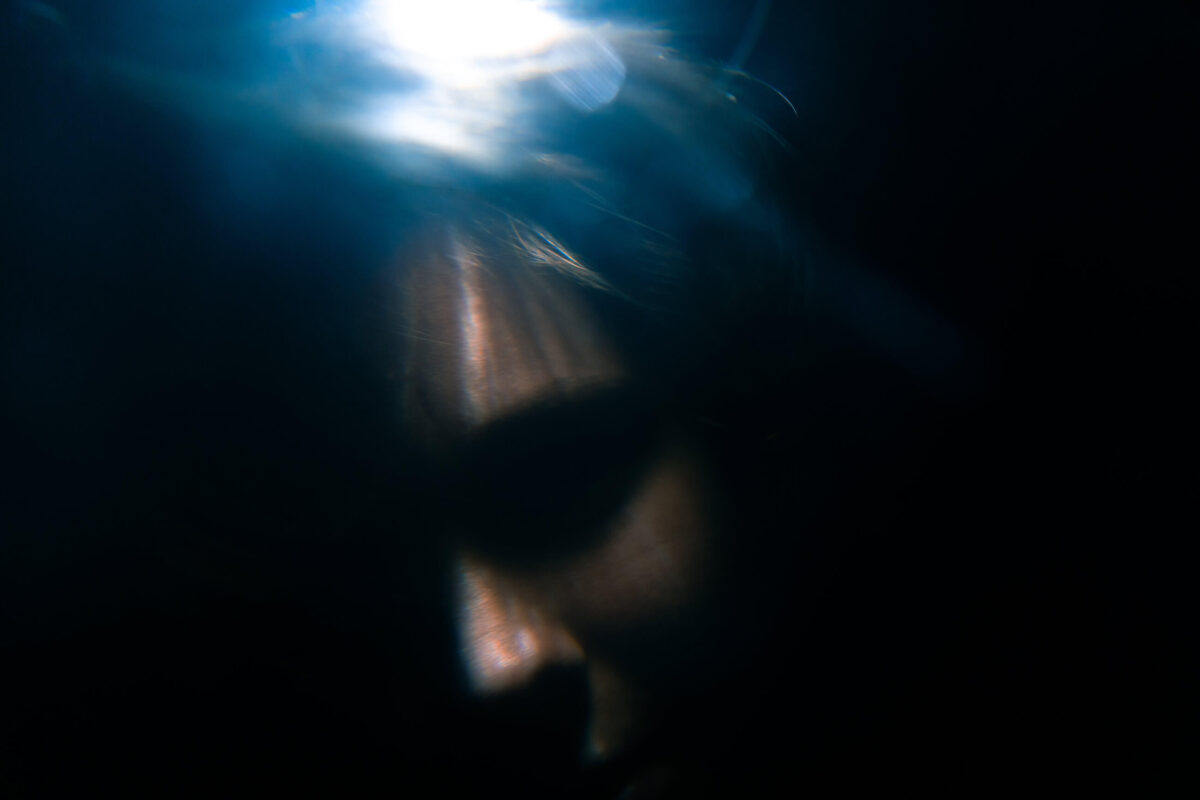
For some years I have been questioning whether am I just copying the world or I convey ideas through photography. That makes a very big difference. It’s an important role of photography, to document things. When photography appeared it replaced painting and drawing and took their niche in documenting and illustrating things.
This article I would say is very strongly connected to my other post called “The Purpose Of Photography And Art“. That one is more historical and this one is practical and made to remind people of what “photography” means.
“Camera Lucida” – Book By Roland Barthes – My Notes
When we need an image to prove something or remember something or illustrate it, we take a camera and create this image. We capture the light reflected from an object and get a very accurate copy of it. As Roland Barthes says in the book, the “photograph” doesn’t exist, what exists is what is on the photograph, a copy of the real world. For example, when you show a picture of your brother to someone, you say: “Look, this is my brother”. You usually don’t say: “Look this is a photograph in which my brother is depicted. The photograph itself is not the paper on which it is printed and not the screen where it is displayed. Philosophically, it’s hard to define what a photograph is.
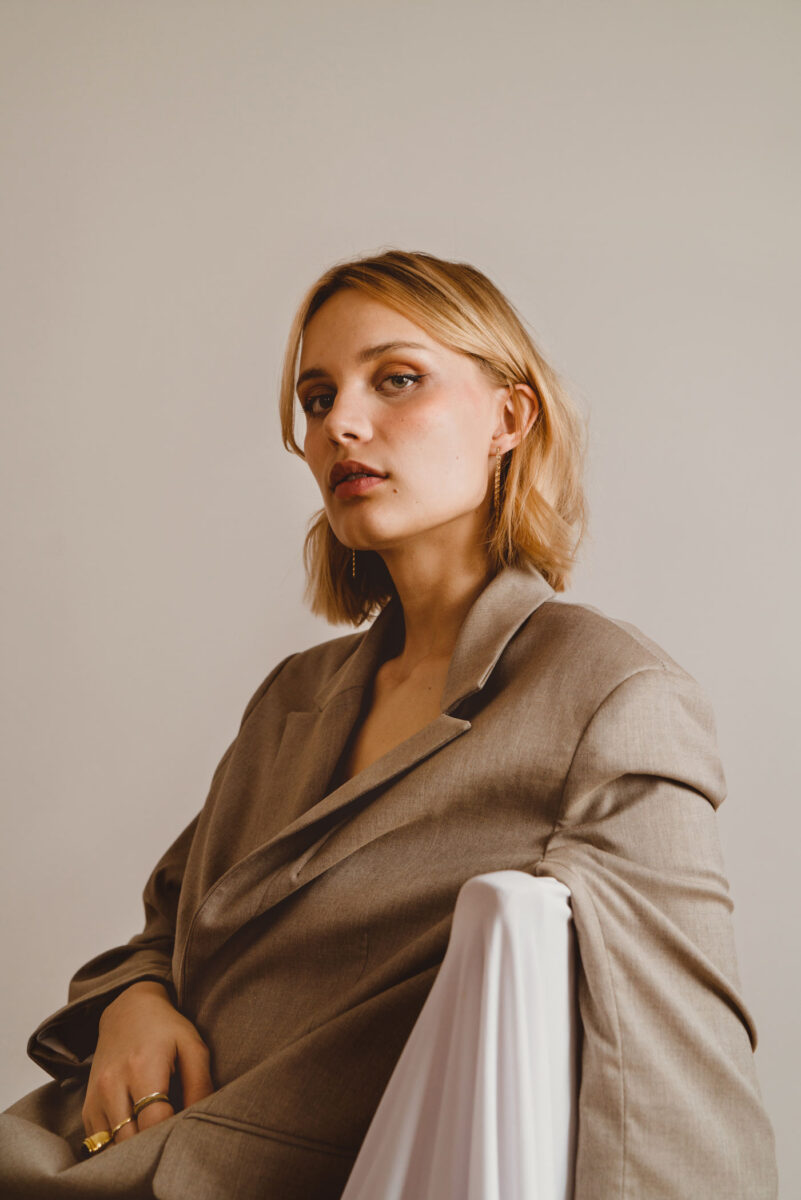
Do you capture or convey ideas through photography?
Documentary photography is very important. It can be really creative, and it helps us to remember some event or place. On the over hand, we have the fine art genre, doing which, photographers express their concepts and ideas through photography. I have been fond of this type of photography for a long time and at first, it felt like some stylised version of the usual world. But then my transition period continued and I went farther and farther from just capturing the events from real life to expressing my thoughts and ideas on the images.
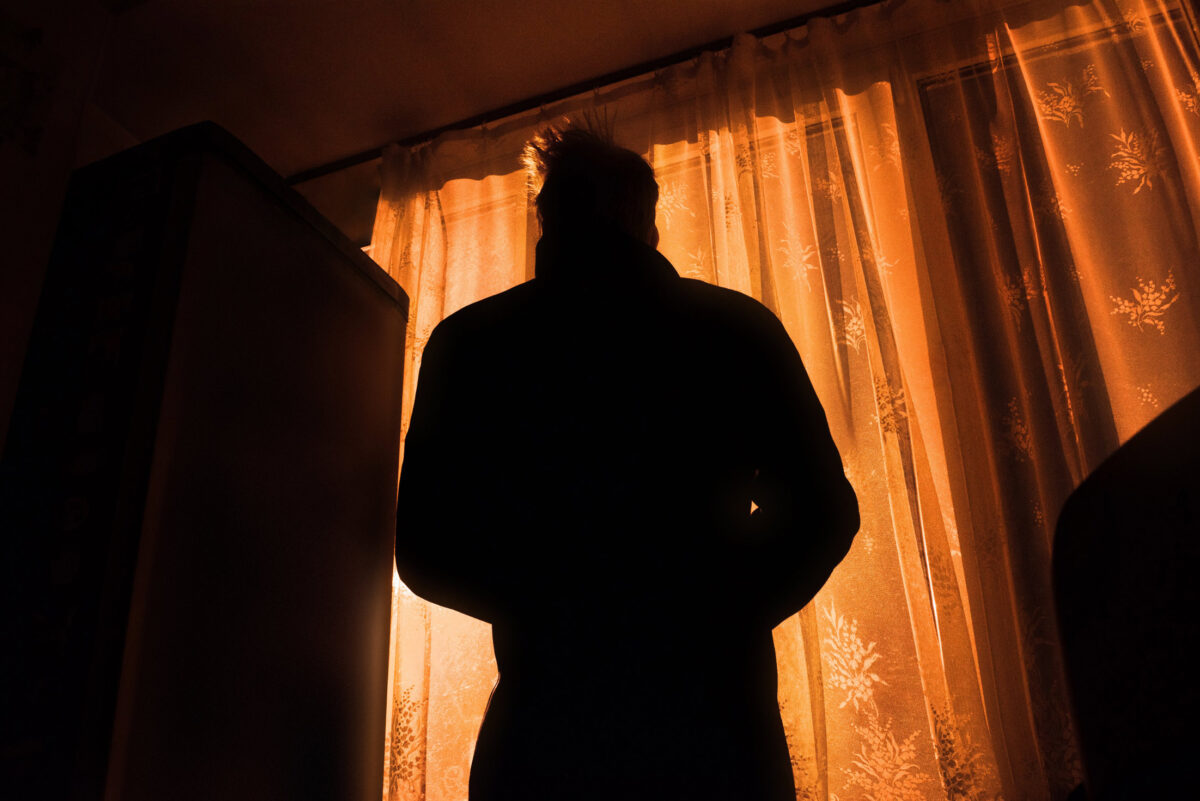
I have noticed that, for example, street photography is more intuitive. You walk around and search for different scenes and frames. You train your eye to search for powerful compositions. Once you have trained it, you can move on. Documentary photography is more serious since it’s a whole project showing some important group of people, social problems etc… These projects require a lot of preparation and are important but they are not about photography but rather about the subject. When we look at a documentary photography project, we don’t see the photographs, we see well-captured social concerns.
The role of photography in our lives.
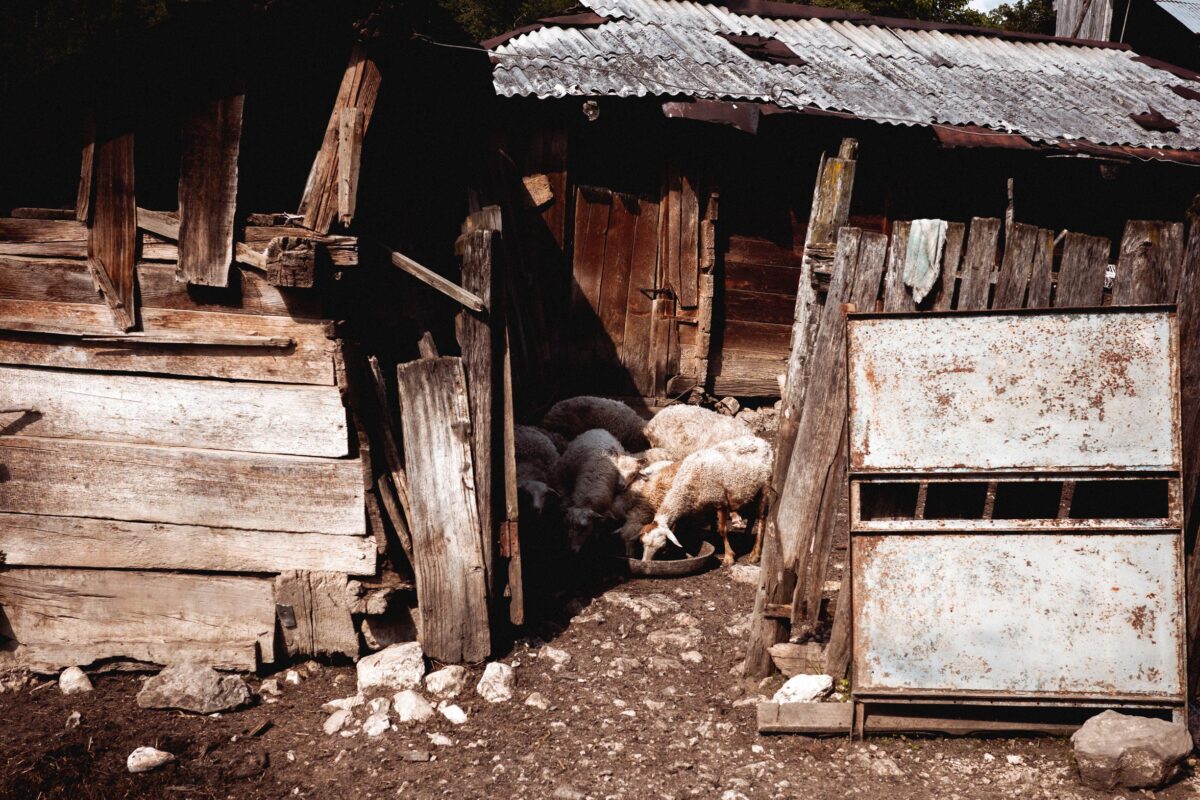
There are many photography genres and they are so different that, I would say, these are almost not connected to each other. It’s like a blogger and a developer both use a computer for work, same as a fine art photographer and wildlife photographer both use cameras.
Some people do photography to advertise a house, for them photography is a marketing tool. Others love birds and animals, they want to take a picture of a bird mostly because the bird is interesting and not the process of taking photographs. A lot of wedding photographers do it because they like to create beautiful photos but mostly because it’s a very good and profitable business. I don’t do wedding photography because photography is more than a business for me (I did it before and I know how well-paid it is and wedding photographers are extremely rich compared to me). It doesn’t mean that all wedding photographers are simply businessmen.
What is your reason to do photography?
So everyone has his own reason to do photography. Here to define which type of photography you want to focus on you need to define your reason. If you like a subject, you can document it. If you want to convey your ideas through photography you have to focus more on fine art.
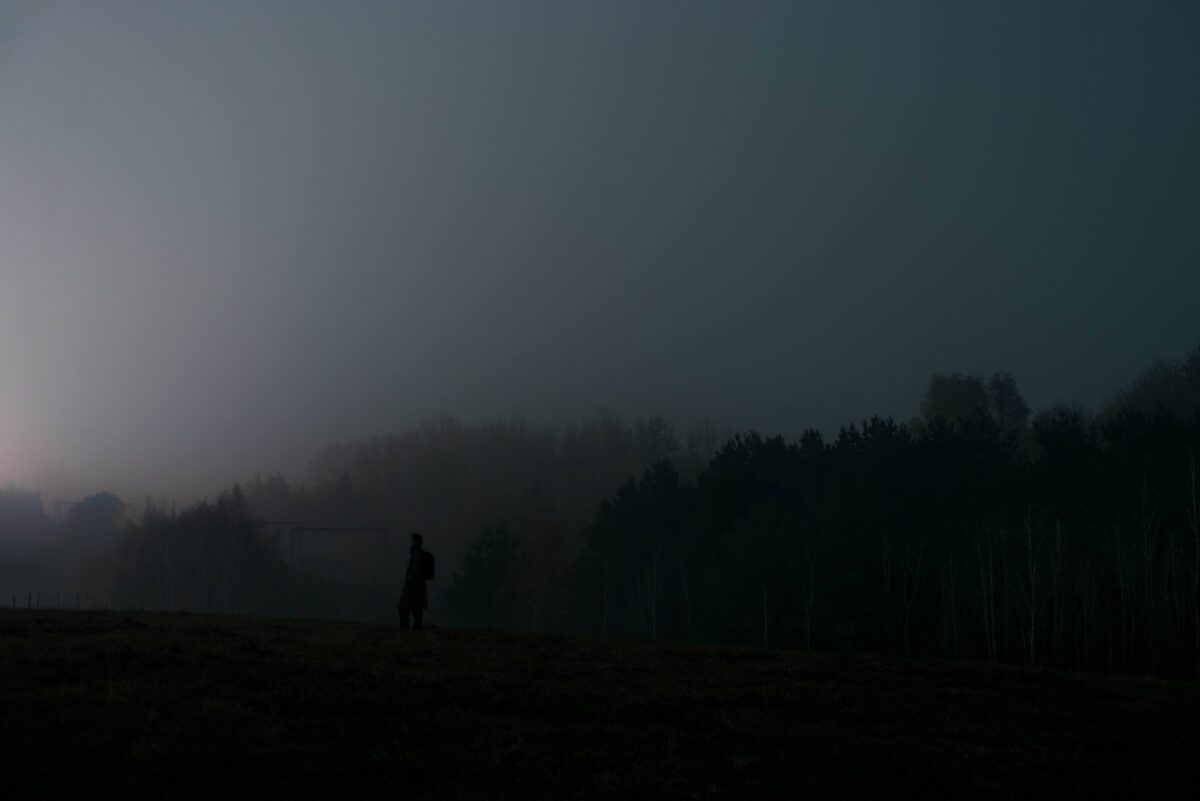
What do people value when you convey your ideas through photography?
It’s a tricky question. When you photograph beautiful architecture people might give you a lot of likes and praise you. But since your photo is a copy of the real world, they praise the work of an architect. So it would be fair to give all of the credit to the person who created this architecture. Since you are showing, let’s say, 99% of the work that has been done by the architect and 1% or less made by you when capturing the image. The architect created the building when you weren’t around but you would never take a photograph of the building without this being created. When you show a photograph of a landscape taken at sunset, do people like the sunset or the picture? Still, nothing’s bad when you want to share something beautiful with others, just remember that that’s not your work.
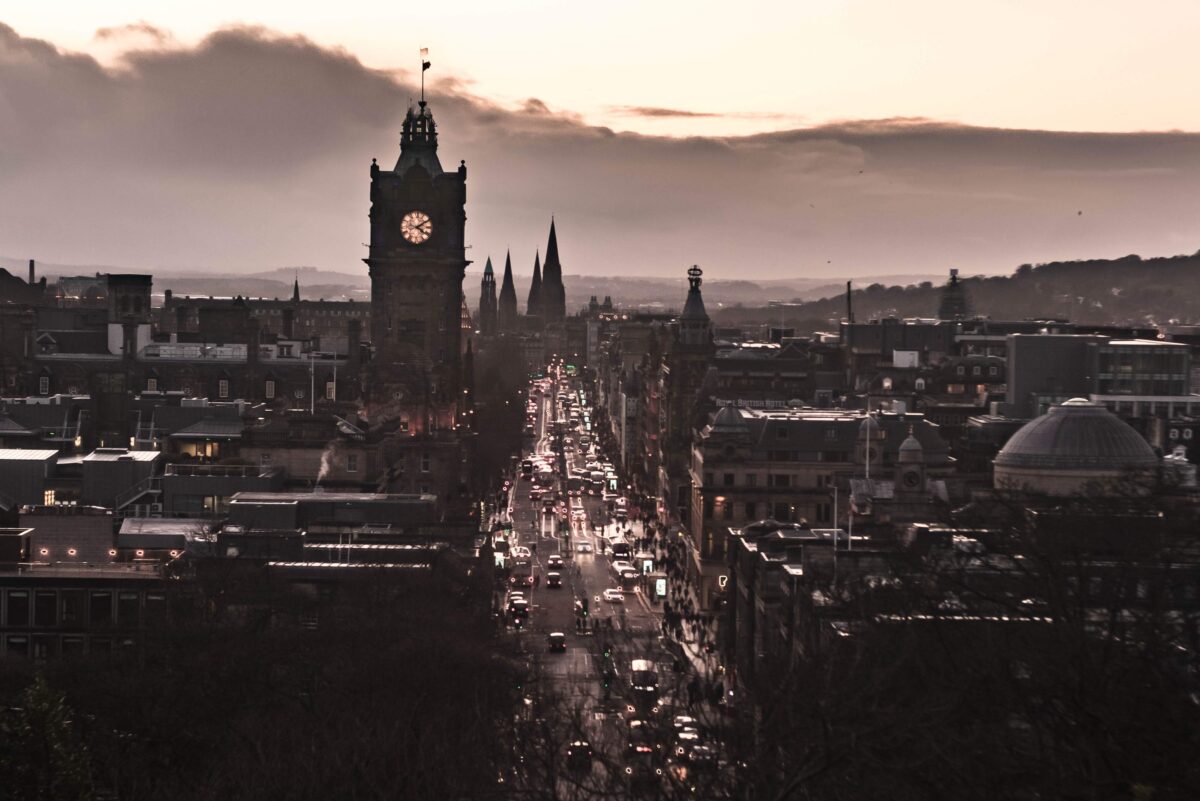
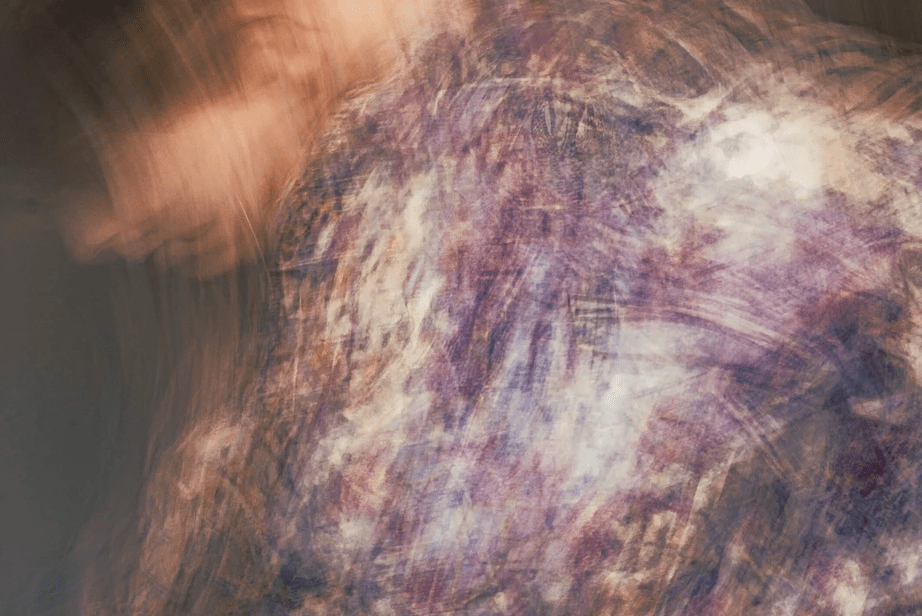
People like the picture more than the subject for sure when the idea is dominant over the subject. For this to happen the picture usually should be more abstract. Everything in the picture should have a purpose to be there and it should convey your concept to the viewer clearly.
Not the subject but the concept
“If I paint a wild horse, you might not see the horse… but surely you will see the wildness!”
Pablo Picasso
It’s easy to make a technically correct and beautiful image but it’s harder to input feelings into it.
It’s difficult to convey your ideas through photography. For that, you need a divergent way of thinking, be very creative and find new purposes for usual things. You can train that, and then you become an artist. Basically, you can tell stories also based on social and political concerns but the feelings and mood will be dominant.
To learn how to take beautiful images of objects you need to learn techniques and settings of your camera it’s not very hard and not too creative. To learn how to convey ideas and feelings through photography you need to go beyond photography itself. You need to train your brain how to use all of the knowledge about photography for showing a certain mood. And especially you need to gather new ideas about life and the world. Merge these ideas, split them, mix and find new ones.
“It took me four years to paint like Raphael, but a lifetime to paint like a child.”
― Pablo Picasso
Sorry, another quote that fits this article very much. It’s the same in photography. In a couple of years, you will be able to create beautiful and correct photos but you need much more years to enrich your visual library, learn how to convey your ideas through photography and find new ideas.
For all types of photography, the camera is just another tool… But in fine art photography, the way you depict something is more important than in other genres, where the object is playing the main role.
When you convey ideas through photography you create your own works.
Thinking critically I want to add that this is still my subjective opinion and probably in fine art photography the idea of the artist is the subject. You’re basically photographing your brain work and your abstract thoughts. Your photographs do not exist themselves, the copies of your ideas exist. Photography here is not more than brushes and paint for an artist. But then it’s still the best way you express yourself, and convey your ideas.
This is the type of photography where most of the work, manual and cognitive, is done by you. When you show your fine art photograph, you are the one who created it, not nature or another human being. Fine art photography is for those who want to go beyond copying objects from the real world. It’s a way to express yourself, which doesn’t make the role of other photographic genres less significant. But in most cases, it’s more complex.
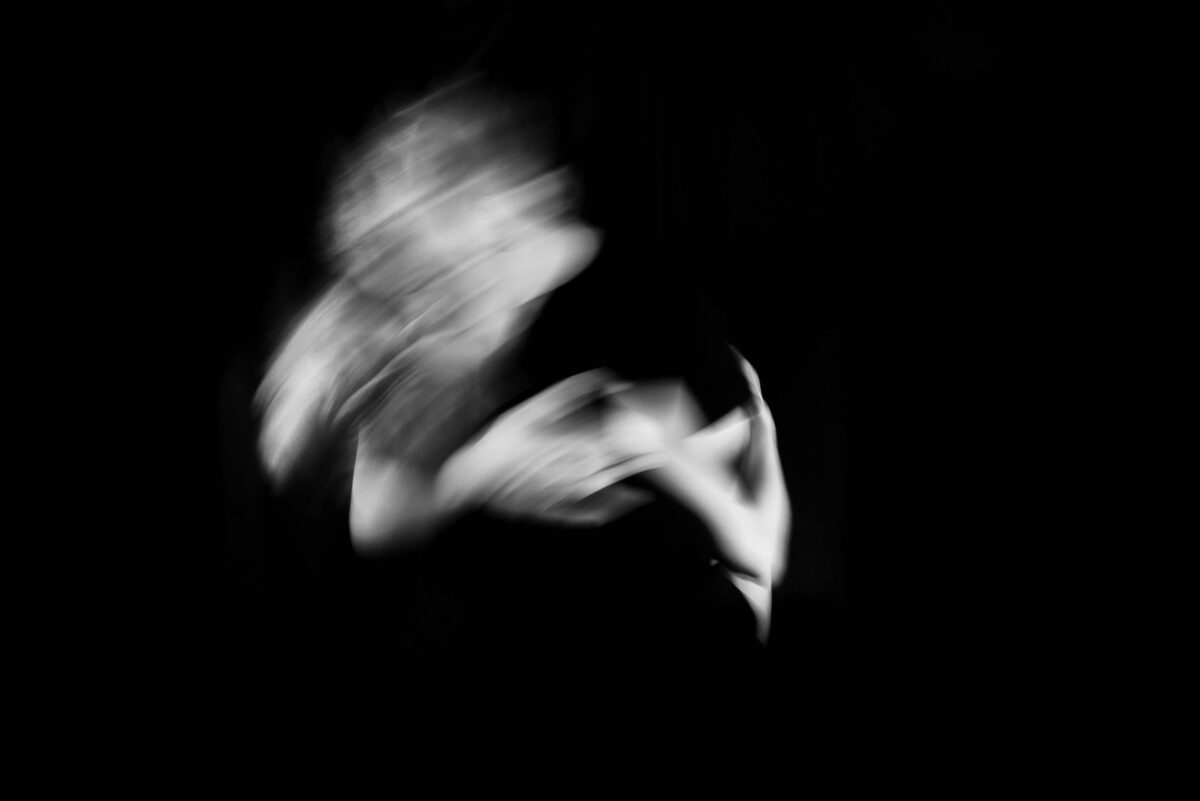
3 Exhibited shots from our series “Tenderness” Created by Jan Ivahnenko and me


P.S.
I personally love photography and have tried almost all of the genres, and doing more and more of it I gradually realised that the stylised version of the world in my photographs goes farther away from reality towards something more abstract.
I hope you enjoyed this post and that it will help you define what genre of photography you like more. Do you like a certain theme? Do you like people? To take photographs of something you can learn technical rules and techniques, composition, colour theory, and light theory… And the most important is to learn about your subject. For me, photography is my research about the world and myself. I want to talk and convey ideas through photography, and that’s why after doing it for 8 years I shifted towards fine art. I still do other types of photography but less often than in the last few years.
To learn photography faster you can hit the button below:
And please subscribe to my blog if you like what I’m doing and want to support me and see more of my posts.