
Approximately a year into my photography journey, I stumbled upon an invaluable set of techniques to improve photography skills that continue to serve me well, even after years of specializing in portrait photography. These methods offer universal benefits for several reasons:
Firstly, they transcend photography and can be applied to various art forms, expanding their versatility and the potential to improve photography skills.
Secondly, they cater to individuals at any skill level, whether you’re a novice or a seasoned professional looking to improve photography skills.
One noteworthy aspect is that you don’t always need to go out for hands-on learning, making it a practical and accessible approach to improve photography skills.
Allow me to provide a brief overview of how to improve photography skills, emphasizing the elements that have had the most significant impact on my ability to improve photography skills. I’ll also offer insights into the strategies that have accompanied my photographic journey from its inception to the present day.
Once you’ve learned your camera’s operation, it’s time to dive into more profound aspects of photography. At this stage, I recommend learning the foundational theory of photography like light and composition to improve photography skills before diving into intricate techniques, which, although satisfying, sometimes won’t help you to get better at photography in the long run. By laying a strong foundation in the essential principles of photography, you can and significantly improve photography skills, enabling their application across a broad spectrum of techniques.
Table of Contents
Practical ways of how to improve photography skills:
1 – Practice a lot!
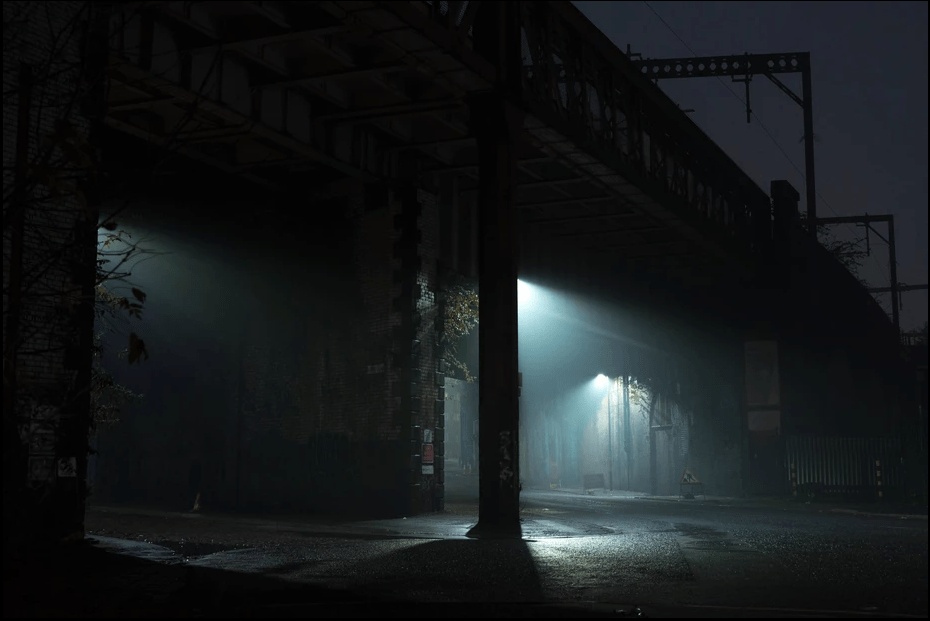
Yes, it is somewhat cliché but photography in this way is like learning a new language. If you do photography all the time, you don’t even notice how you get better at it.
“Your first 10,000 photographs are your worst.”
Henri Cartier-Bresson
One important caveat here: Henri Cartier-Bresson took his photographs on film. In the digital age, you might need to multiply this number by 5 or 10. It’s because only while practising you can start to understand the ways you can photograph something.
So get your camera and go out to photograph everything particularly interesting you see around. There are periods of time when I take ~ 100-300 pictures every day for months. Of course, I select and edit only 10-20 images a day. The most important is that you should try to take good photos and a lot of them. You have to think about what you photograph. It won’t work if you switch to the high-speed mode and start shooting like from a minigun 🙂
2 – Use Prime Lenses
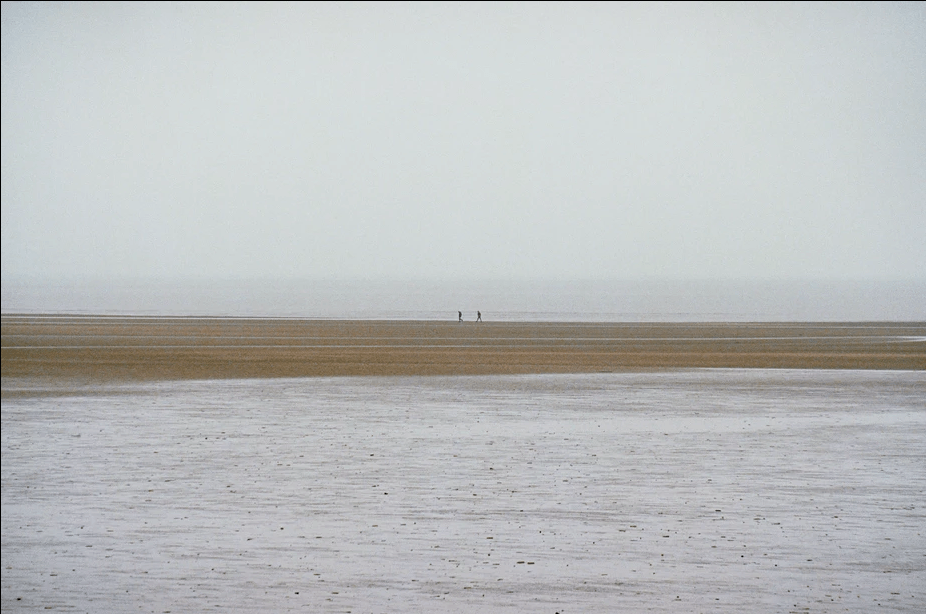
It is really important if you want to improve photography skills. Creativity is about limitations. If you have a zoom lens it’s harder to create something interesting unless you’re a master. I use fixed lenses myself, currently, I have a 50mm prime that I mostly use for portrait photography but want to switch to 35mm.
The advantage fixed lenses give you is that you look in the viewfinder and you see the same focal length. (most of the time they are also cheaper, sharper and you can open the aperture more.) And with a fixed lens, it’s constantly the same. So that way you learn to compose all the objects you want to photograph in this particular frame. So if your shot is broad there should be a very little amount of detail. And if there are a lot of them you will have to come closer to your subject.
It surely makes you learn faster because it makes you look at everything from different angles. Since you can’t just zoom in on your subject when composing a photo, you have to walk towards it. This makes you look at it from a new perspective. Doing so, I sometimes even discover a whole new way of shooting the thing that initially caught my eye.
Using prime lenses helped me greatly improve photography skills when I was starting out.
3 – Try Black and White photography
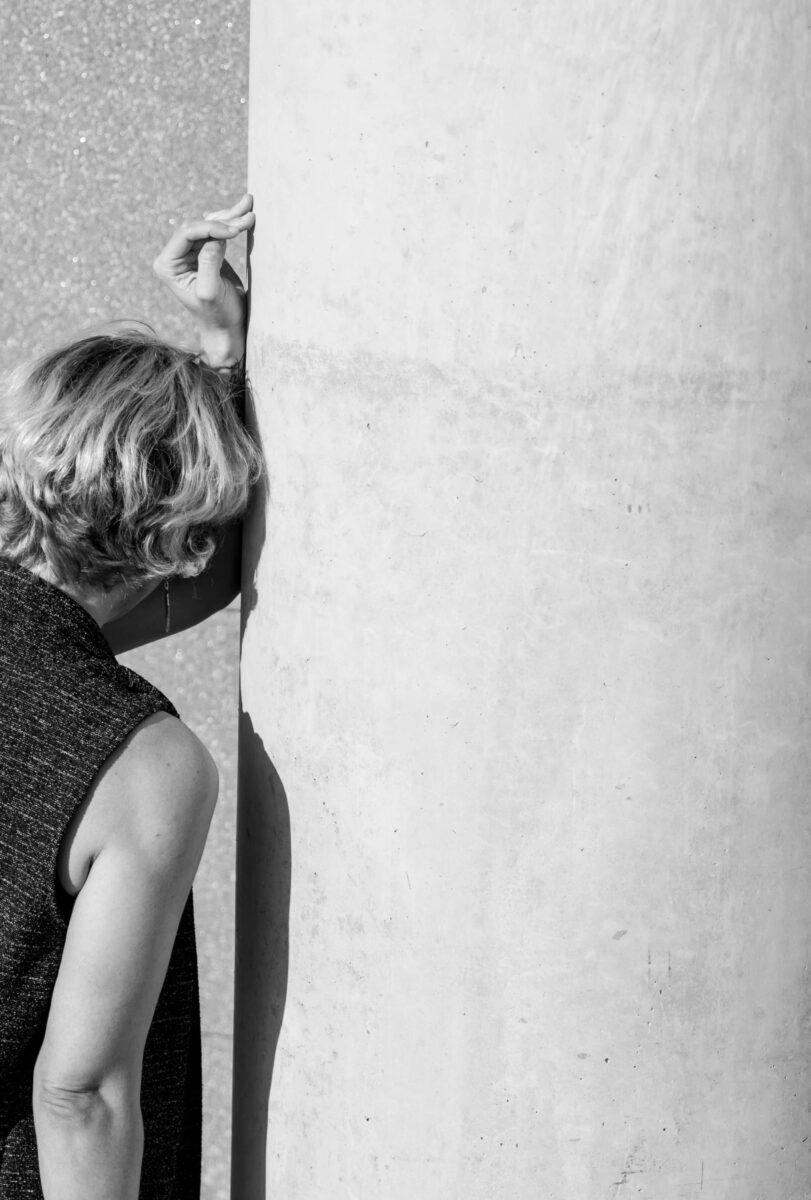
If your camera features a black & white mode, consider switching it on. Dedicate a significant period, whether it’s a week, a couple of months, or even a year, to exclusively shooting in this mode. Black and white photography, by removing the distraction of colors, compels you to focus your attention on light and values.
When delving into black-and-white photography, I highly recommend prioritizing the understanding of values. Grayscale images are distinct from color photographs not only due to their absence of colour but also because they shift the emphasis solely to the interplay of light and shadow, as well as composition. This creative exercise can significantly help improve photography skills, encouraging you to develop a keen eye for the nuances of lighting and composition.
So try to get used to that way of thinking. Try to think only of the light and not the colour. And learn how you can show your subject well-lit so the background won’t take too much attention. Once you feel like you’re ready – start doing colour photography. I have another post on how to improve your colours by using the gradient map in Photoshop.
4 – Collaborate with other photographers and learn from others
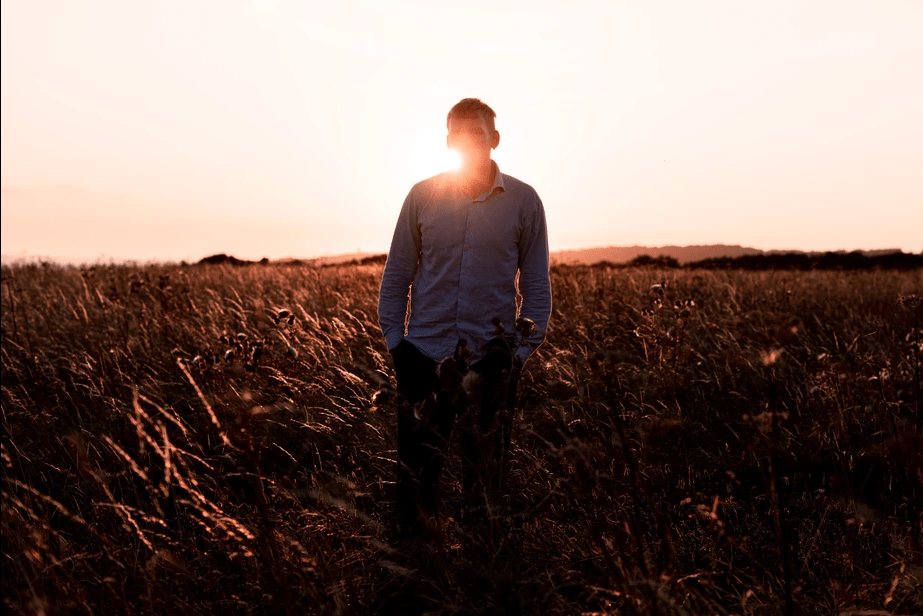
A valuable piece of advice I’d like to share is the importance of collaborating with other photographers to improve photography skills. Over time, I’ve come to realize that sharing your work and working together with fellow photographers is an excellent way to learn and grow as a photographer.
The dynamic exchange of ideas, techniques, and perspectives within a community of photographers can provide invaluable insights and inspiration. By discussing your work with others, you not only receive constructive feedback but also gain new insights into your own photography. Moreover, collaborating on projects or challenges can spark creativity and push you to experiment with different styles and techniques, ultimately helping you improve photography skills.
Remember, the journey of photography is not just about individual progress, but also about the rich experiences and knowledge gained through interaction and collaboration with like-minded enthusiasts. So, don’t hesitate to reach out to other photographers, join photography groups, and explore opportunities for collaboration – you’ll be amazed at how much you can learn and improve through shared experiences.
Unleash Your Inner Photographer with My Course!

Photography Made Better
Elevate your photography with my FREE course, “Photography Made Better.” Dive into the essential elements of photography, focusing on artistic expression and personal guidance. This course is unlike any other, offering challenges and unique tips to redefine your photography.
5 – Close the aperture
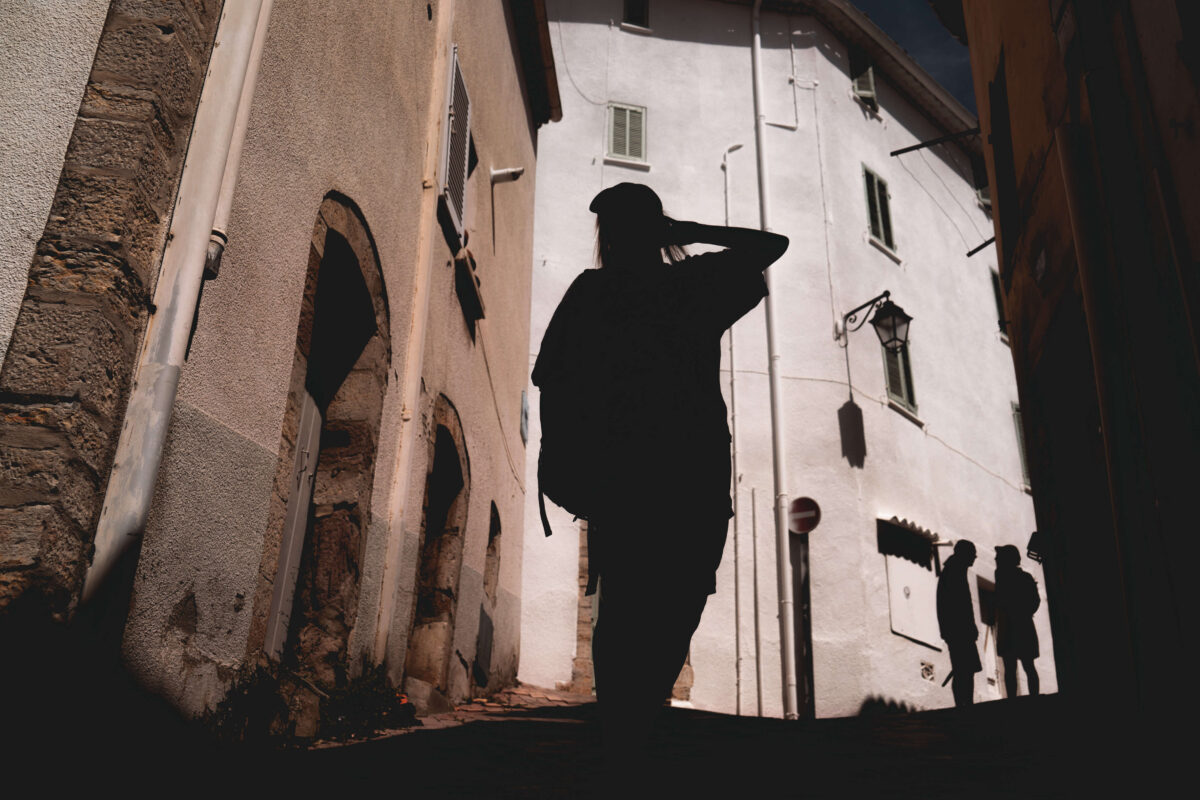
It might even seem counterintuitive since you can create “super cool images with bokeh”. Indeed opening the aperture can quickly help to improve your pictures but this is an easy and quick way that won’t make you learn. To learn you need to push yourself out of your comfort zone and try hard to adjust the composition.
Of course, you won’t be able to shoot with a closed aperture at night but during the daytime, you can.
Theoretical ways. How to improve photography skills:
1 – Learn how to improve your photography composition

Learning photography composition is very important to improve photography skills. I often see images that are boring just because the author hasn’t mastered composition and you can’t see the main subject. Most photographs should have a focus point to keep your attention on the main subject, otherwise, the image will look distractive and not appealing. You probably heard about the rule of thirds and that diagonal lines on an image create a dynamic image while horizontal and vertical are static and calm
2 – Master your exposure in photography and learn to use it in an artistic way
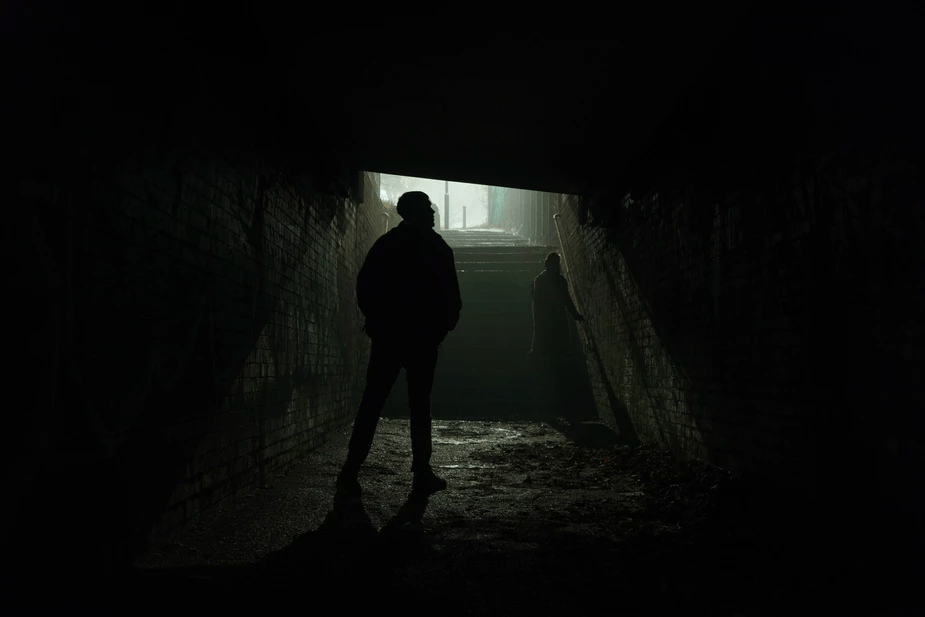
After you have learned how to set the shutter speed, aperture and ISO you can start thinking beyond that. You can try to learn all the aspects of the different light settings or different ways to expose a picture. Photography is all about light and it’s even more important than composition. By affecting the light you affect the composition.
Cameras don’t see the world the same way as the human eye. For example, they don’t capture as much information as our eyes do. Once you understand these kinds of limitations, you can learn how to use them to your advantage. When seeing something like a stunning sunset, some people like to say that it won’t look the same in a photo. While I agree with this, I must also point out that you can make it look beautiful nonetheless.
3 – Fill your Visual library with new bright experiences to improve photography skills
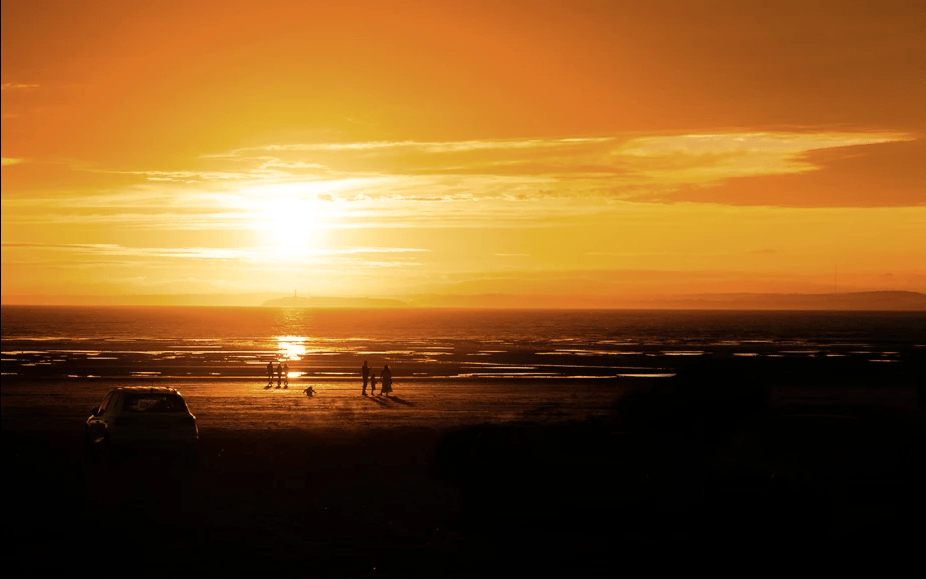
Your visual library consists of the films you watched, the photos you’ve seen and even the books you’ve read. It’s the way you look at the world. It’s rather about understanding photography than taking pictures. For that, you don’t really need to learn photography theory. It’s the foundation of the whole art I would say.
Your experiences are vital for your photography. Filling your visual library is something I would start doing even before taking the camera in my hands. Even music affects photography although it’s a completely different medium. Having a great visual library in your head will help you generate ideas for strong images subconsciously. You will see how beautifully your object can be shown without thinking about the photography rules.
4 – Learn Light Theory

If you can manipulate the light you can do any type of photography. Since when you take a photograph you actually capture light – light is your main tool. I would like to give you this way of understanding the main essence of photography to create very powerful images that will be remembered.
5 – Learn The History Of Photography

To learn photography you need to learn what it is and how it has appeared. Of course reading, a few books will help and maybe taking some historical courses. I have personally passed a couple of courses and constantly try to find more interesting books about art and photography. Of course, photography is my job but learning some history can only benefit you too. Wondering about the purpose of photography I have written this post:
Some Questions & Answers
How does filling one’s visual library contribute to improving photography skills?
Filling one’s visual library, composed of various visual experiences like films, photos, and literature, enriches the way individuals perceive the world. This expanded visual understanding aids in generating ideas for strong and impactful images, fostering creativity and subconscious application of photography concepts.
What role does the understanding of exposure and light theory play in learning photography?
Mastery of exposure and light theory allows photographers to manipulate light effectively, a fundamental tool in creating powerful images. Understanding how cameras capture light compared to human vision empowers photographers to leverage these differences to their advantage, creating visually captivating and memorable photographs.
What benefits are associated with exploring black-and-white photography?
Black-and-white photography focuses attention on light and values by eliminating the distraction of colour. By engaging in this mode of photography, individuals develop a deeper understanding of lighting nuances and composition, refining their eye for capturing impactful images. I advise everyone to start learning with black and white photography.
What are some universal benefits of the techniques outlined in the post for improving photography skills?
The techniques provided in the post, offer universal benefits for individuals pursuing photography due to their versatility across various art forms. They cater to people at any skill level, whether beginners or professionals, aiming to enhance their photography skills. Even after years of practice, you can come back to the same exercises and principles to improve photography skills even more.
How can practising photography every day contribute to skill improvement, and what strategies are recommended for effective practice?
Practising daily serves as a cornerstone for skill enhancement in photography. It allows individuals to gradually refine their techniques, develop a better eye for composition, and become more comfortable with their equipment. If you feel like you’re stuck you have to practice even more. Strategies like focusing on specific themes or subjects (restricting yourself and creating challenges), experimenting with different lighting conditions, and consciously analyzing each shot during practice can significantly accelerate your skill improvement.
To become a photographer to choose this lifestyle!
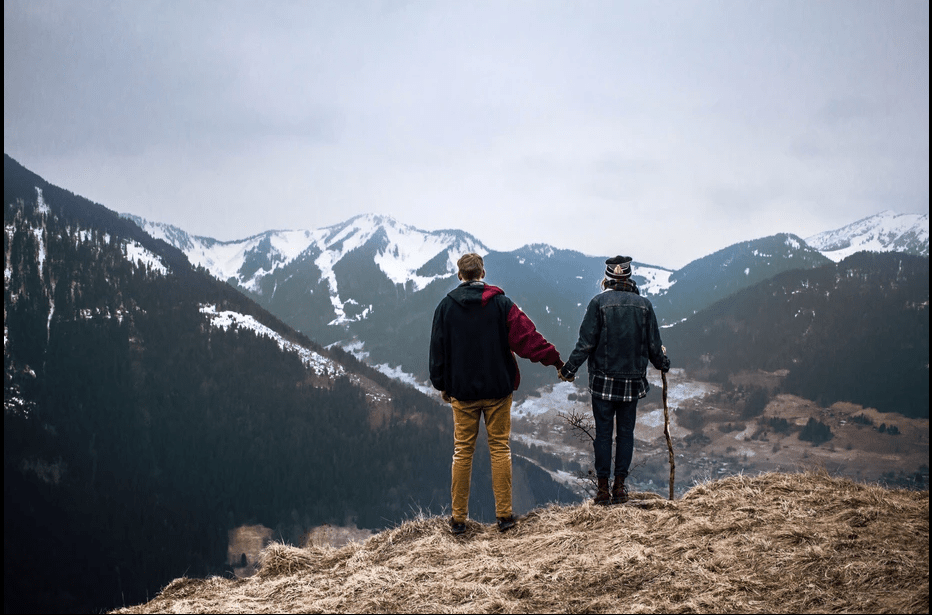
If you follow these steps you will definitely improve photography skills without searching for certain techniques. There’s no way of becoming a photographer in one day, a week, or even a year. I’ve been doing photography for around 8 years and it feels like I’m only at the beginning. To become a photographer is to choose a lifestyle. Do not be afraid of the challenge. It’s not about the hard work but it takes a lot of time. For me, photography is about the journey, about living with a camera in your hands.
The most important thing in photography is understanding. Firstly you should understand the idea of a photograph and then the way to create it. You need to learn to see the potential good shots. After that, you will take pictures that are good on their own. Without any “fancy tricks to take mind-blowing photos”.
Thank you for reading till the end! If you would like to support me, you can subscribe to my blog, tell about it to someone who might be interested in photography and support me on Patreon.
pin this post for later
Hover on your preferred image to see the red “Save it” button with a Pinterest logo. Clicking on it will open a new tab to pin this blog post to one of your boards.


Comments are closed.