

If you’re new to photography and art you might think that it’s made for the sake of beauty. But if we look at the history of art, we notice that it always had a certain purpose. Read this post till the end to learn more about the purpose of photography and art overall.
The works I publish in this article are either my or the works in the public domain. If you would like to learn more about modern art, please find the official pages of the artists or visit your local exhibitions. When I put my works among the masterpieces of famous painters I do not claim to be a great artist and do that solely for decorative purposes.
I have visited a few very strong and inspiring exhibitions in Berlin including the New National Gallery. Going to the exhibitions and doing further research inspired me to write this article. I would strongly recommend going to your local exhibitions to understand art better and enrich your visual library.
Table of Contents
After you’ve learned about the purpose of photography and art, another very much related article to this you can find at the following link:
How To Convey Ideas Through Photography. Find Your Genre
If you’d like my best tips on how to learn photography check out this post:
Top 10 Ways To Improve Photography Skills. Learn Photography Faster
What do art and photography have in common?
Art and photography are fulfilling the same need to express ourselves. Although these are different mediums and they may have different uses, fine art photography is created solely for the reason to express the artist photographer’s emotions.
What is the purpose of the pictures?
The pictures we take are another way of communication. They either illustrate something or show opinions and concepts. Sometimes pictures can be worth thousands of words
What is the purpose of photography?
Photography nowadays is a way to document things. It occupies a smaller part of the art industry than painting but is used heavily for businesses. Millions of images are created every minute.
What is the most common type of photography?
Nowadays selfies are probably the most common to be created. In the world or amature photography people most commonly do street, landscape and travel photography. The most saturated markets of photography are wedding photography and event photography.
What Is Fine Art Photography?
Fine art photography aims to represent photographers opinion on a certain topic. This type of photography gives the most freedom to the creator where photographer shows an idea and not a simple representation of the world
What is Art and the role of photography in it?
To make things clear we first need to define what is art.
According to Wikipedia,
Art is a diverse range of human activity, and resulting product, that involves creative or imaginative talent expressive of technical proficiency, beauty, emotional power, or conceptual ideas.[1][2][3]
But what is art in a practical way? Sometimes the artwork can be so ambiguous and vague that not everyone understands its purpose and the reason why it was created.
The first examples of artworks that were discovered were created about half a million years ago. But as we look through the history of arts, pictures have always depicted contemporary culture and society’s needs of course.
It’s hard to find pieces in the early history of art, that were created for pleasure and beauty purposes only. Before people created alphabets, art and painting were playing the role of documents and were needed to record different events and stories.
How Photography Changed The Purpose Of Art
Certainly, photography is a relatively recent development, with the first permanent photograph being captured just two centuries ago. It took a considerable span of around 20 or more years for photography to evolve and become integrated into our daily existence. During the initial decades, photography was largely experimental, necessitating extended exposure times for capturing images. However, as time progressed, individuals began establishing photo studios to create portraits.
Before this, commissioning a portrait typically entailed the patronage of wealthy individuals who would have artists paint their likenesses. These portraits served as a means to document one’s physical beauty, self-admiration, and societal status. Today, photography is primarily used to capture cherished memories, but in its early days, it was a tool for displaying power and social standing. This transformation in the role of photography has significantly impacted our lives and reshaped the purpose of art within it.
Creating art used to be a lengthy process involving the meticulous depiction of the beauty in our lives, and as a result, the subject matter was carefully chosen. However, with the advent of the ability to quickly capture snapshots, people began to exhibit less selectivity. Nevertheless, since art encompasses any creative production in which an individual aims to express something through their craftsmanship, even a selfie can qualify as a piece of art. It serves as a straightforward expression, saying, “Look at this!” while simultaneously offering a personal perspective from the creator. I would say, photography and technological advancements have democratized art, making it accessible to everyone.
Explore ‘Photography Made Better’: Unleash Your Inner Photographer with My Course!
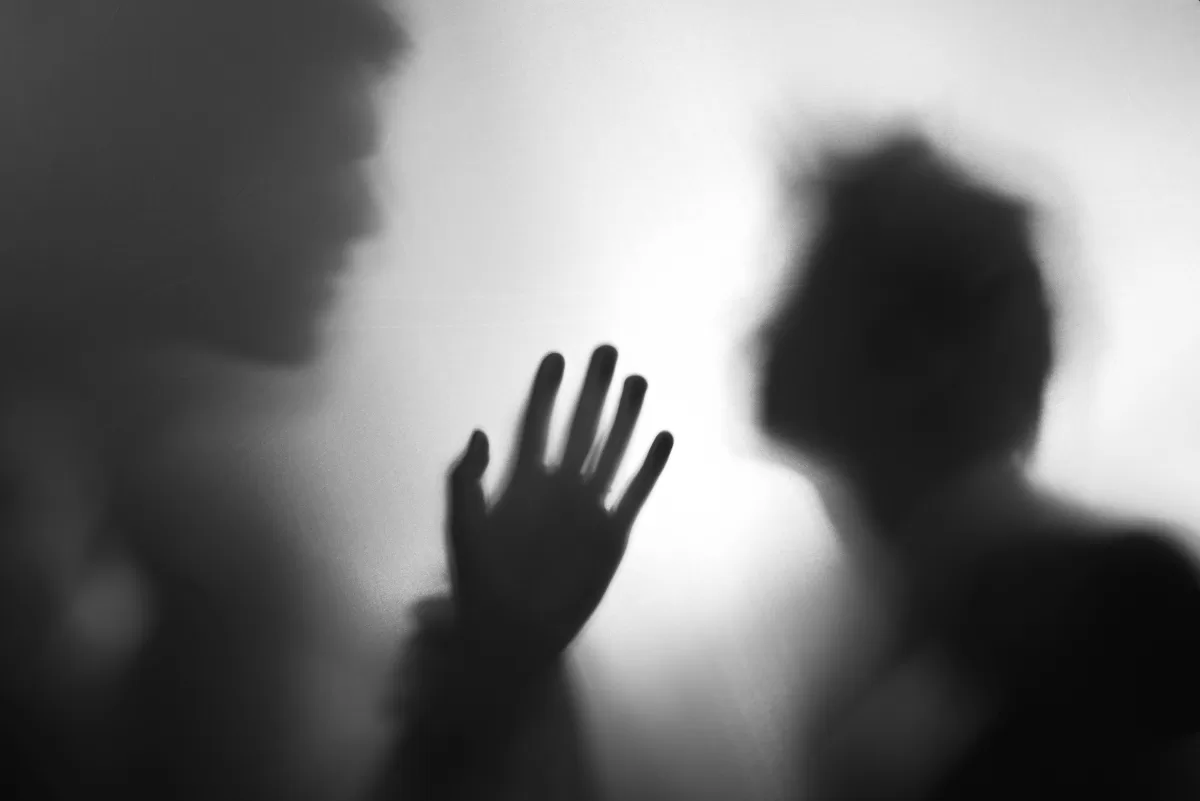
Photography Made Better
Elevate your photography with my course, “Photography Made Better.” Dive into the essential elements of photography, focusing on artistic expression and personal guidance. This course is unlike any other, offering challenges and unique tips to redefine your photography. With exclusive access, it’s designed for passionate individuals ready to transform their photographic skills. Join today, unleash your creativity, and let your unique voice shine. Gain your personal purpose of photography and art with my course! Enrol now for an unparalleled photographic journey! 📸🌟🚀
The role of art in the western medieval world
I will try to very shortly write about the history of art from medieval times till now focusing exclusively on the most related things.
After the appearance and spread of modern religion, the main patron for the artists became the Church. The church had the most money and needed paintings for cultural and propaganda purposes. Most of the artist’s clients were churches or people who used the paintings for church purposes. That’s the reason why western medieval paintings are mostly icons or religious scenes.
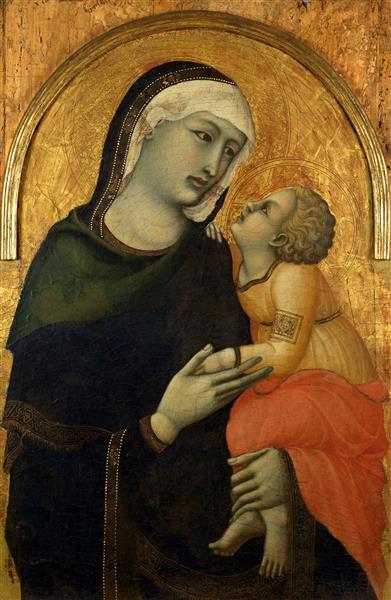
Pietro Lorenzetti
First landscape paintings
The first landscape paintings were very different from the art of the previous centuries. The surroundings in these paintings influenced the mood of the whole artwork and were a depiction of the world and its beauty. That was a big step since before that most artworks showed a saint or a scene when the rest of the details were different symbols, supposed to support the main subject. In landscape paintings, the surroundings play a bigger role. That’s when people started depicting the beauty of the world. The first landscape painter was Joachin Patinir, before him, landscapes were only in the background of religious scenes.
He was inspired by Bosch and by his strange creatures and architecture in the paintings
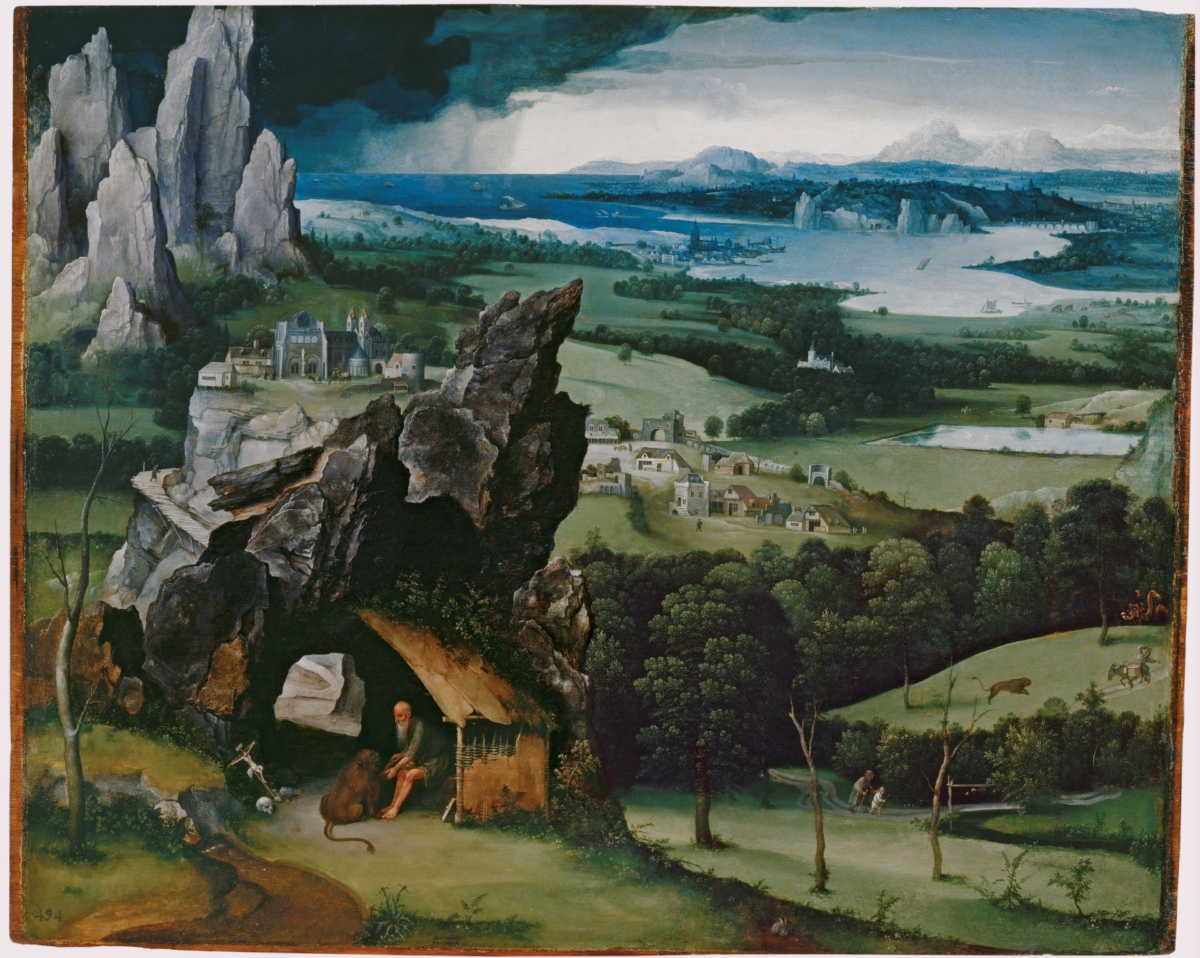
Still, all of the paintings were depicting different religious scenes. Only in about 100 years by the end of the 16th century, wealthy people started ordering portraits for themselves
Portrait Paintings and Van Dyck
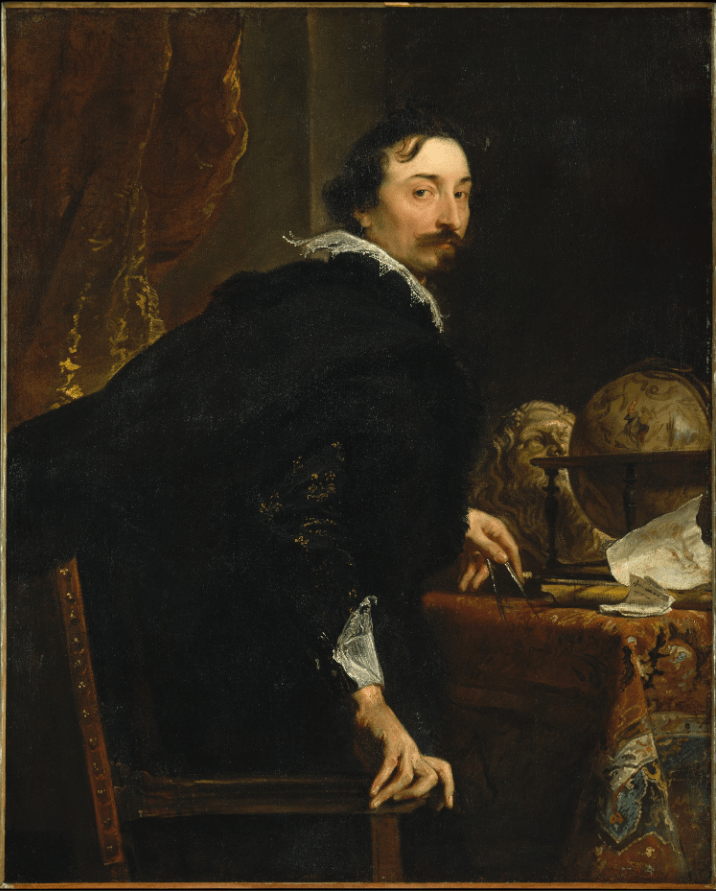
Since I’m a portrait photographer I want to pay a bit more attention to portrait paintings. Van Dyck was probably the most famous and one of the first Portrait painters who worked with wealthy people. His style was elegant and he painted famous and rich people. He was successful already as a teenager, when he was 17 he was an assistant of Peter Paul Rubens. He painted portraits of British aristocrats and Influenced the English style until pop culture (David Bowie)
It was a must for the rich to have a portrait made by him.
Art after the 16th century
Later, after the 16th century, still-life paintings reappeared. Also group paintings of elite class people and political paintings. As more and more there were reasons to create a painting more people tried to depict more private artworks showing the artist’s personal view on a concept.
The characters of the artworks were already not only saints or rich but even regular people.
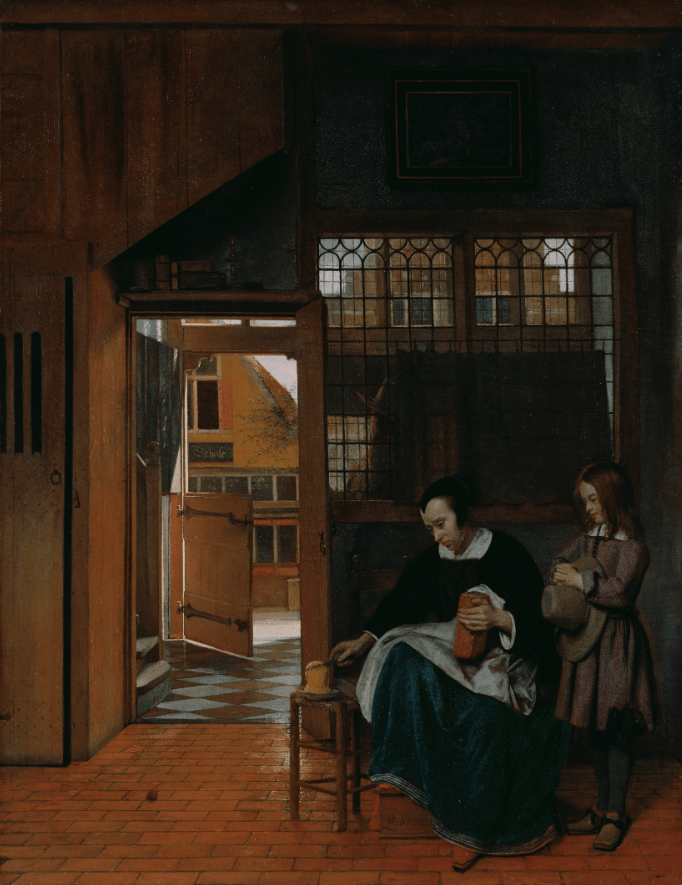
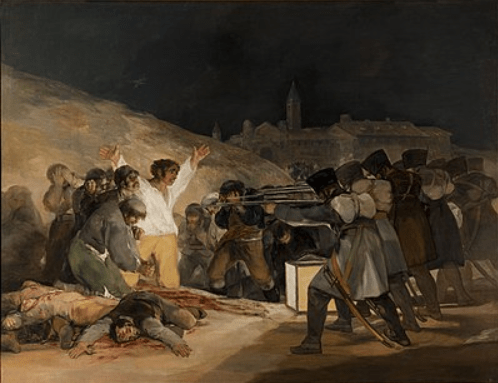
The Purpose Of Photography And Art: When Photography Appeared
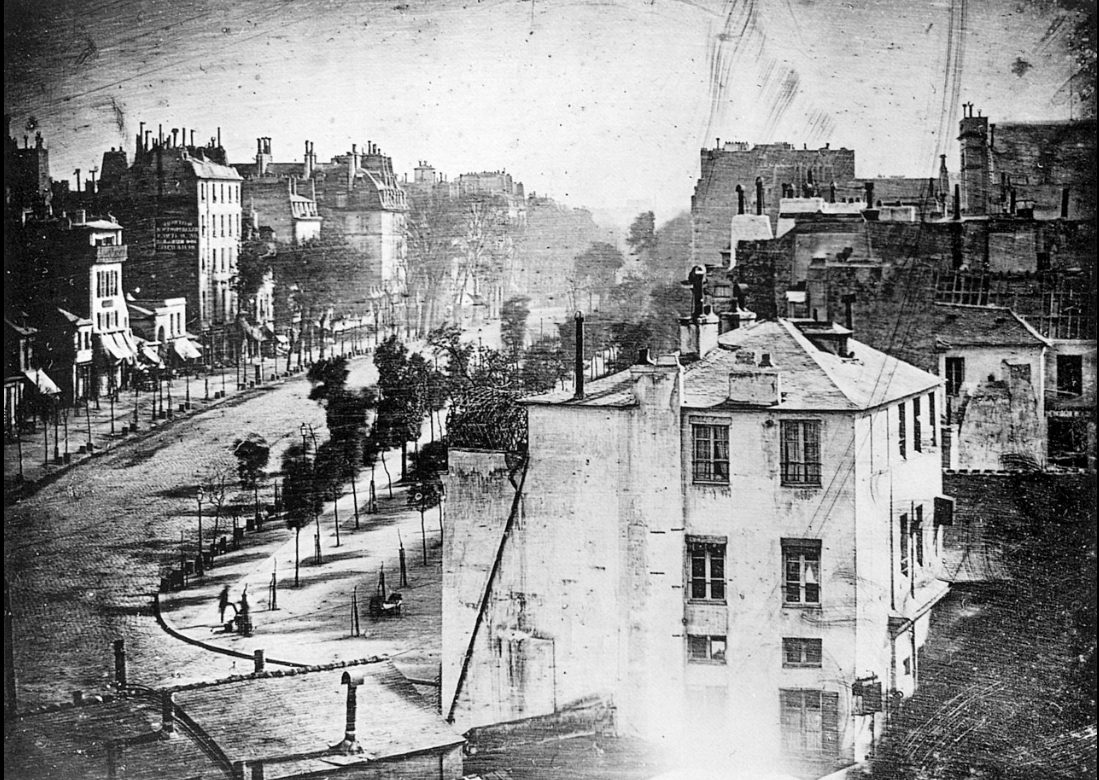
When photography appeared, painting became more abstract and started to represent very subjective concepts. Since the 19th century, photography worked as a way to document our life.
Shortly after its appearance photography became accessible to the middle-class public. The purpose of photography in art shifted to solely one of the tools for creating art pieces as well as documenting our life.
By 1870, photography was no longer a novelty… Experiments in
Mary Warner Marien, Photography: A Cultural History (New York, NY: Harry N. Abrams, 2002) 141.
photomechanical processes led to the development of half-tone plates in the 1880’s. By the 1890’s, photographs could be cheaply reproduced in magazines
and newspapers. The Kodak Camera, introduced in 1888, marked the debut of
photographs produced directly by the middle-class consumer, rather than by
professional photographers…For the general public, technological advances in
photography were more compelling than intellectual uneasiness about imitation
and authenticity.
Since art is a mirror of our society, (I don’t question if photography is a form of art – it certainly is) of course, abstract photography quickly appeared at the beginning 20th century.
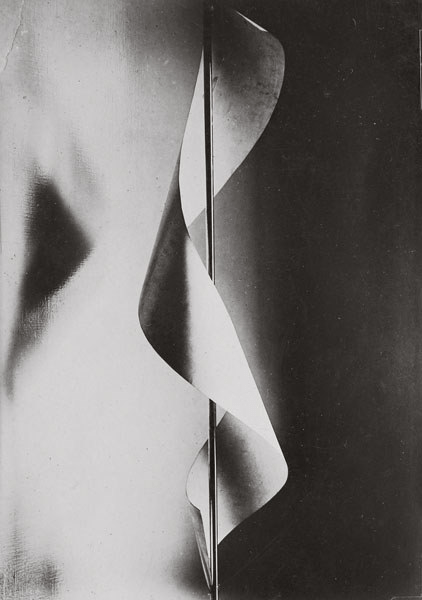
Artists also used photography as one of the tools to create their works. For example, Pablo Picasso used photography to create references for his paintings. And soon photography was regarded as one of the tools for creating art.
The Purpose Of Photography And Art Today
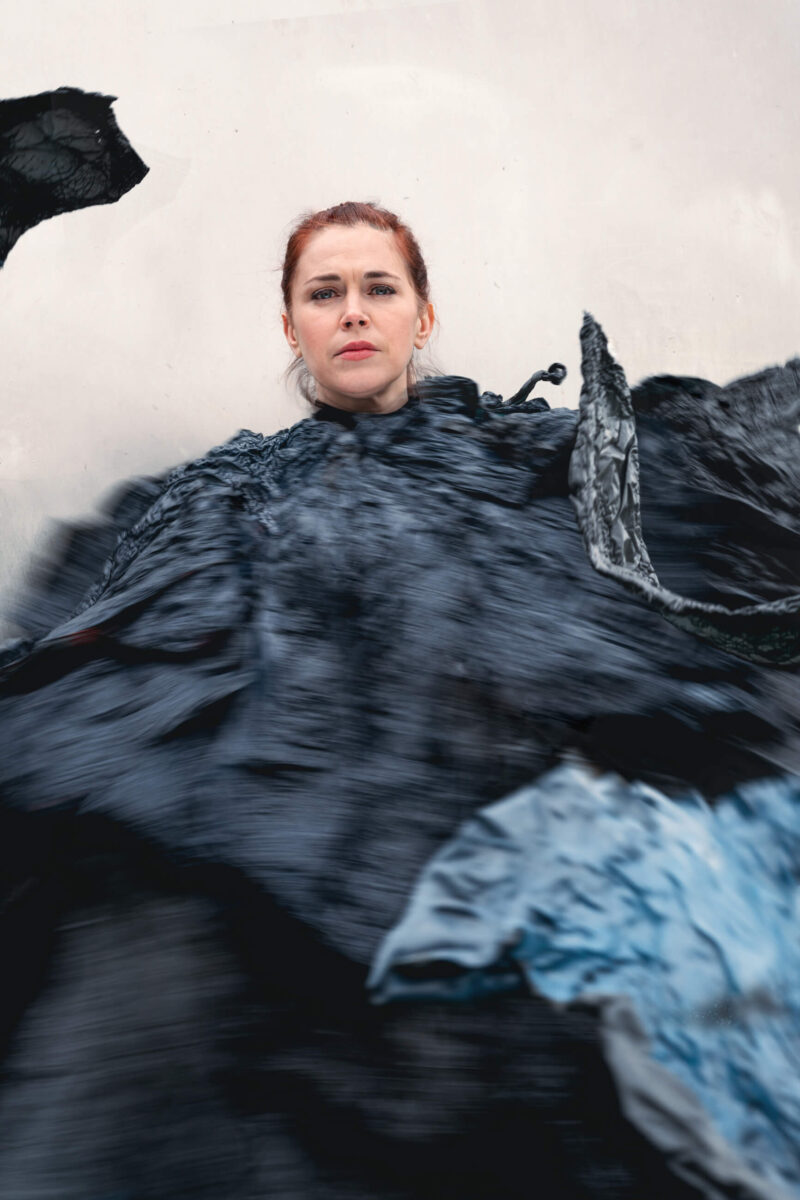
Of course, later photography was used everywhere for documenting life and also showing a subjective point of view of an artist on the world. Photography was used literally for everything from personal portraits to propaganda posters and banners. So art started playing a different role and could indeed become very abstract.
Lately and until today both art and, of course, fine art photography represented different aspects of life, social problems and any cultural aspects of humanity. The purpose of photography and art today as one of the ways to bring attention to a problem or attract new followers by making works on popular topics. Different documentary and fine art photographers convey complex ideas through big photographic projects containing a number of photos on a certain topic
The Purpose of Photography nowadays
In today’s world, pictures have become a common way to communicate and share our experiences. Photography is a language that illustrates our interests, from the things we enjoy to the music we listen to and the movies we watch. Beyond artistic expression, many people simply use photos to show friends and family what’s happening in their lives. My family is scattered across Europe and we rely on photos to keep each other updated. In a way, these images have become a unique way of having a conversation.
What Is The Purpose Of Portrait Photography
Since I’m a portrait photographer I can’t skip this topic. It’s interesting how we – social creatures, require a way to express ourselves. The purpose of portrait photography is to communicate. It’s nearly the most important to see the person. Sometimes people are even less eager to learn something about someone without visual information. When photography just appeared the first portraits were taken and the purpose used to be for preserving one’s life.
“There are three deaths. The first is when the body ceases to function. The second is when the body is consigned to the grave. The third is that moment, sometime in the future, when your name is spoken for the last time.”
― David M. Eagleman, Sum: Forty Tales from the Afterlives
Our existential fear of death also makes us try to make at least something to get remembered to leave something in this world and photography was and now is one of the means to get remembered.
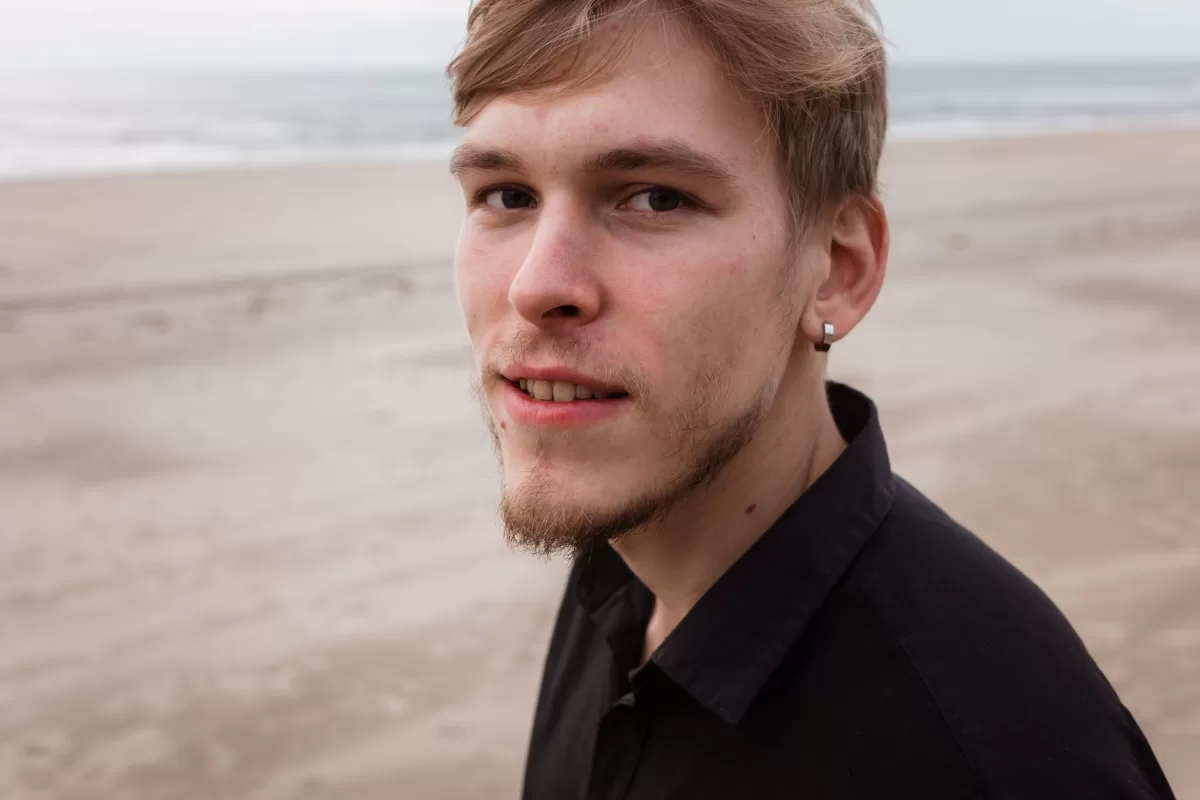
With the appearance of the internet, we have moved from the physical space to online and since we don’t have any appearance on the internet but nicknames we need some photos attached to them. We want to present ourselves in front of others. For professionals and businesses, the faces are their brands. For other users, it’s a way to tell others to who are they talking to (profile pictures).
Even a slight change in facial expression and all the little details mean a lot since this is how people make their first judgments. Of course, we try to be open-minded and don’t depend on that. But still, even the most open-minded people I have met have these biases. I guess this is how the human mind works. That’s why good portrait photography is very important for everyone who wants to meet new people or run a business.
Photography And Art Always Had A Purpose
As well as paintings, artists-photographers photographed things for a certain purpose. To convey their contemporary idea, and to make a change in the current state of society. Art or photography for the sake of beauty also existed, but rarely became dominant. At the same time, contemporary artists or photographers often describe a very deep and ambiguous meaning of their works. But you can never be sure that the meaning wasn’t invented after the work was done. Sometimes we just want to create something beautiful and find the meaning and purpose of photography and art in the way of creation.
The purpose I wanted to post this is also to give some inspiration and tell why most of the art had a concept first and then the way to depict it. Photography and art are the ways to talk, the ways to communicate with people telling them about something that concerns you. In my very first post about photography composition, I also told that it’s important to have a concept or an idea and then a way to depict it. I believe that this way of understanding art can help you to take great images.
The purpose of photography and art for me is to research the world and our place in it. It’s a way to express my thoughts and emotions, another way to talk and share different ideas and concepts. Everyone has his own purpose to do photography, I wish you to find yours.
I hope you found this post helpful. If you did, please consider subscribing to my newsletter which will help you to improve your photography skills. In the newsletter, I send notifications about new posts and photography tutorials and sometimes updates about my photography projects.
If you’d like to support me you can do that via Patreon – patreon.com/phfedorvasilev
pin this post for later
Hover on your preferred image to see the red “Save it” button with a Pinterest logo. Clicking on it will open a new tab to pin this blog post to one of your boards.
Purpose of photography and art | Portrait photographer in Vienna– Fedor Vasilev
Comments are closed.