
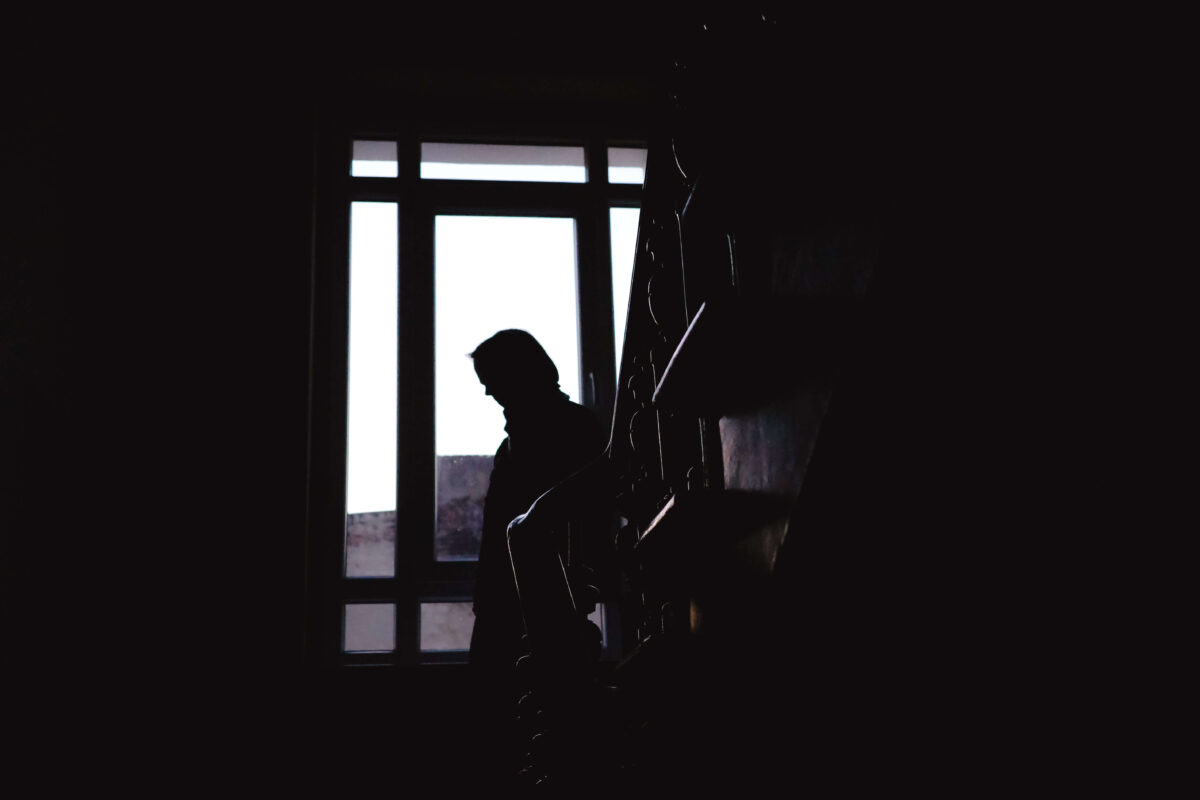
I like to do this silhouette photography quite often. Because this helps to show the atmosphere of a place or a happening. Feels like the most important things to experience in life are the mood and the atmosphere.
I love to think of everything as an infinite collection of concepts and stories. It can be a conversation between 2 people or a confrontation. Dinner with a whole family or a lonely walk of a nomad at night. Taking silhouette photographs helps to add some mystery and another conceptual layer to your artwork. Try to think of silhouette photography as a style that makes it possible to hide the personality of someone and place the viewer in the scene. It’s an easy way to make the observer feel to be a part of this picture. The viewer might not know the person in the photograph. But silhouettes are not as unique. Looking at a silhouette you don’t feel biased about the story shown on it. You also don’t see cultural or racial differences. It maybe makes it even slightly easier to imagine there yourself.
Table of Contents
Silhouette photography is good for learning composition
It’s harder to perceive the compositional aspects when you have all the details, but it gets easier as you strip out everything and make a silhouette photo. That’s why taking silhouette shots is very helpful if you want to master composition someday.
Your camera sees the world differently than you do, and to photograph silhouettes you mainly need to have a lot of contrast and you have to underexpose your shots. Even if you see the shadows well, try to choose AV mode and use -1 – -2 exposure compensation. Then you will be able to underexpose the shots enough and get the silhouettes.
Shapes In Compositions

If you simplify any picture, you will see that every composition consists of shapes.
Good shapes in the composition should be organic. By organic shapes, I mean the composition should have its flow, with a clear hierarchy of shapes. Sometimes, I lack this in my photos because it’s relatively complex. You can’t always achieve perfection, but you have to try. Silhouette photography helps you see shapes better. When you learn how to find harmony between these shapes, you will start creating better compositions in all your photographs.
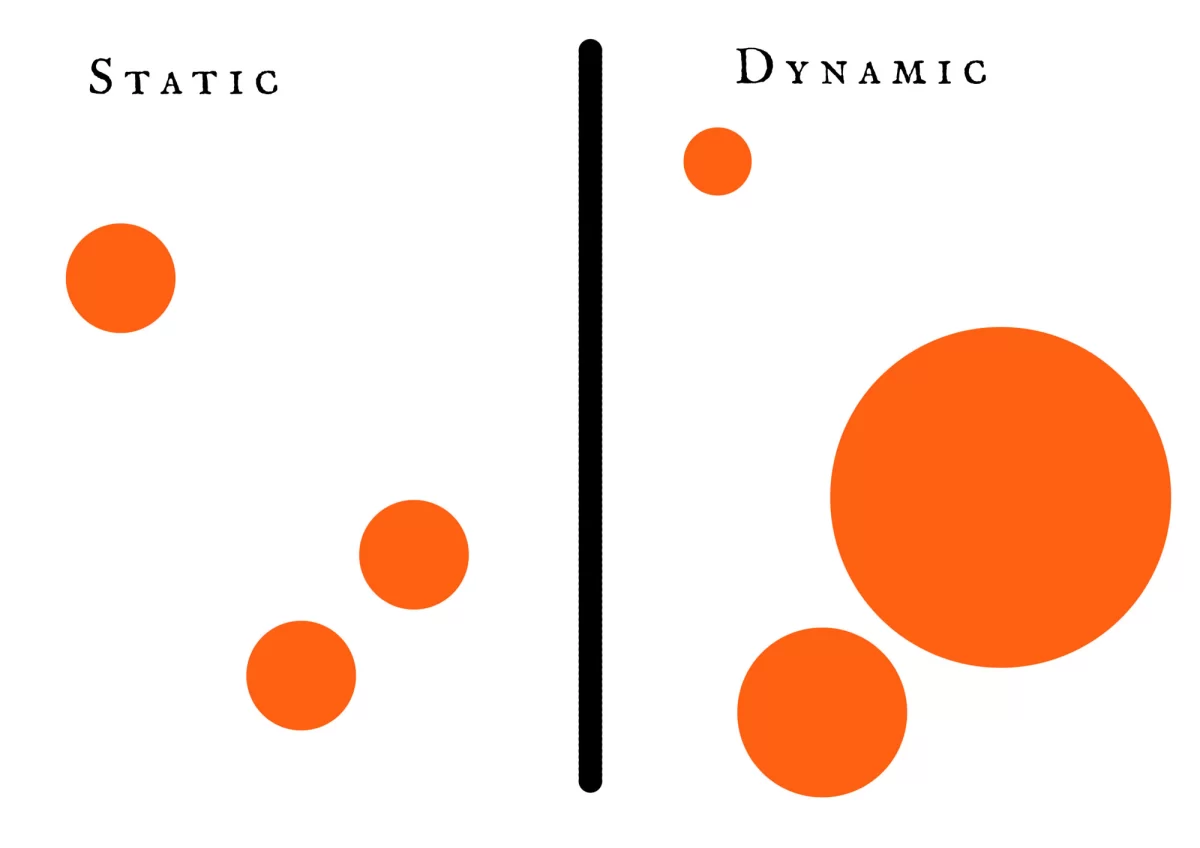
When creating any composition, consider where your subject and other details will be placed. If you position larger shapes next to smaller ones, the flow of the composition will likely move from the bigger to the smaller. Similarly, if your shapes are all the same size, the composition will be very static. Something should dominate to make the entire image more dynamic and appealing.
Shape Design
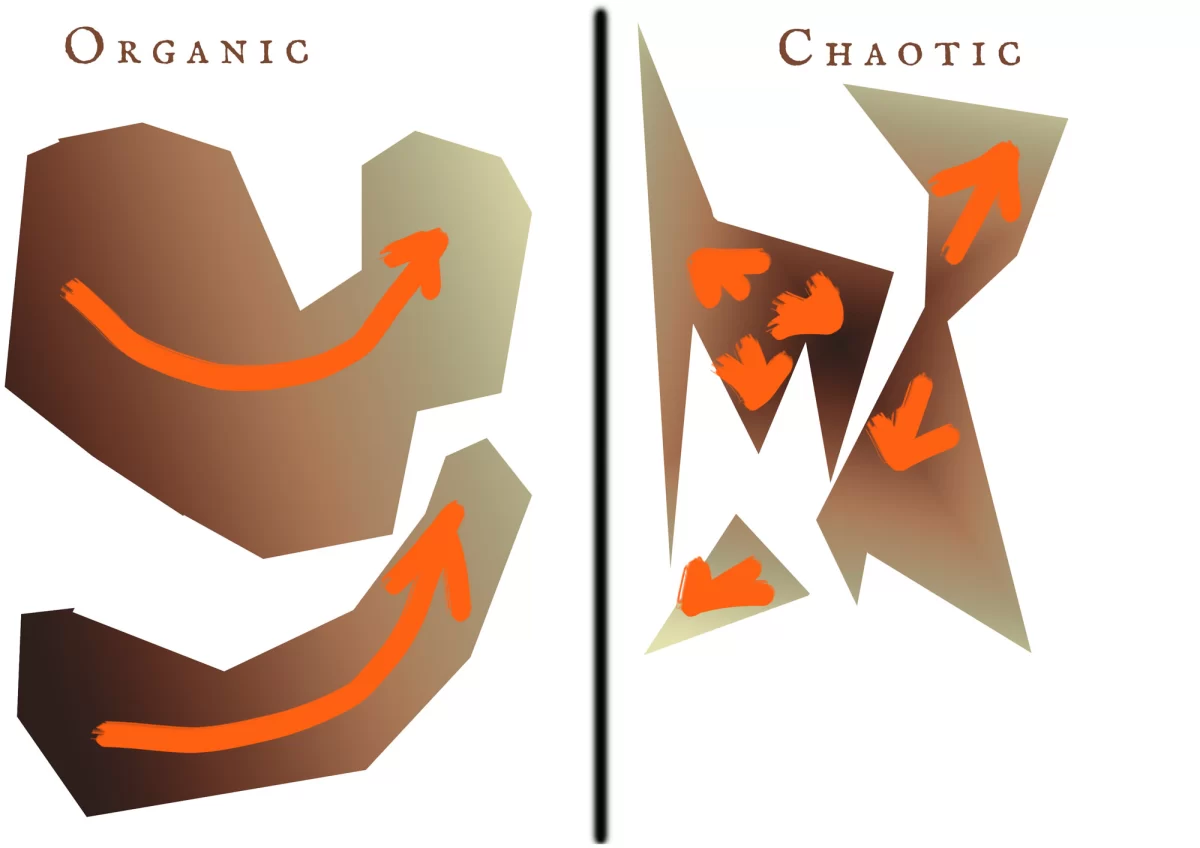
In the example above I just try to give you an idea of the design of the shapes themselves. To have more flow and dynamics you can try to keep your shapes as organic as you can. That can be hard if you photograph architecture but several facades together can very well create an organic shape.
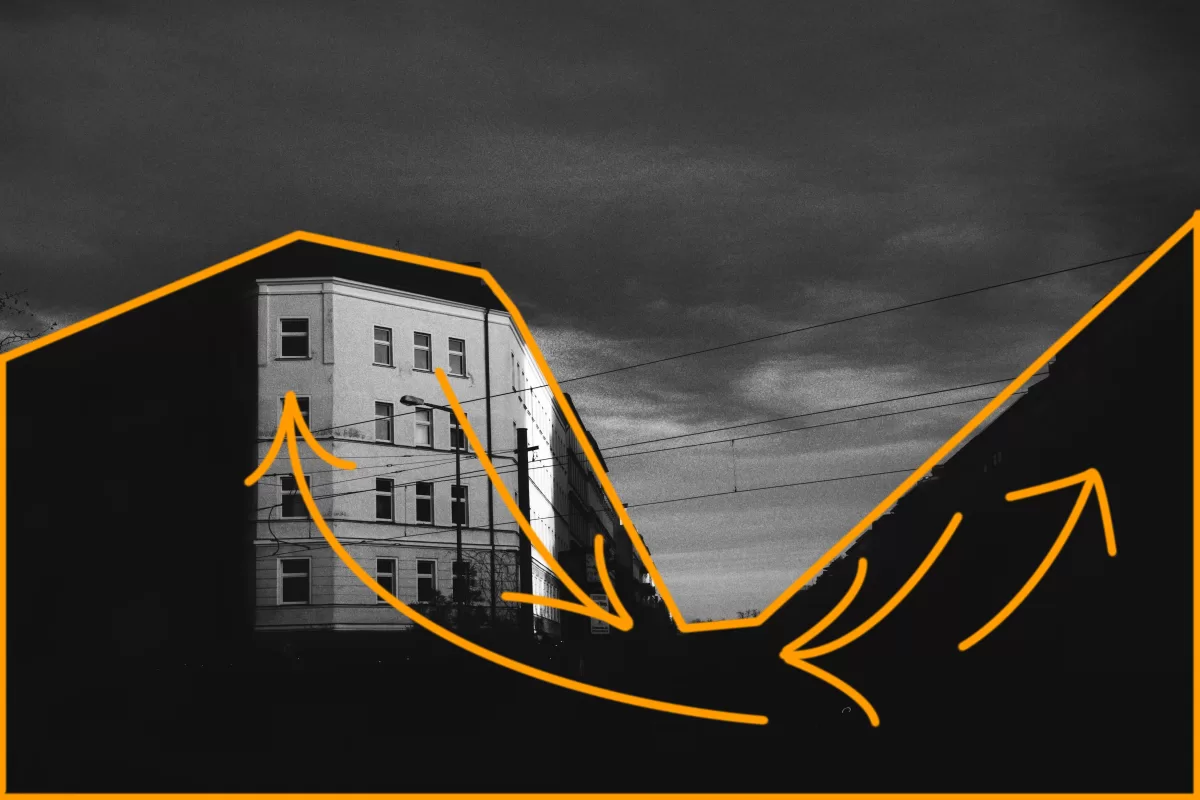
Shape Dynamics In Compositions
Try to always think of your compositions as arrangements of shapes; this will speed up your learning process. One of the most classic design rules that can be applied to any composition is Big – Medium – Small. When dealing with a single photograph, you can apply this theory by making your main subject the biggest shape. If you have multiple photographs, you can shoot your subject from close, medium range, and then from far away. The second technique is often used in cinematography to show a character in three frames: a full-body portrait, followed by some details, and the surroundings.
Look at the illustration below and see which shape sizes are harder to compose.
Silhouette Photography Teaches to Underexpose.

It’s always important to keep your highlights properly exposed. At the same time, it’s alright to underexpose shadows. You can create silhouettes almost anywhere where you have strong contrast. You can also do that while creating low-key photography. Silhouette photography can also help you understand that the most important in photography is the difference in lighting as well as the power of light sources and contrast. By manipulating the lighting you can achieve many different results. Setting the exposure to highlight details will help you understand how light operates. What you see represents only a small spectrum, and your photograph shouldn’t replicate your vision entirely. Though our eyes capture more information than cameras, we can still adjust exposure for each lighting condition. By adjusting exposure to protect highlights, you may create very dark shadows or silhouettes, forming significant compositional shapes to manipulate.
Apart from that, underexposing photographs is beneficial. It’s natural! It’s normal to perceive highlights clearly but struggle to distinguish details in the shadows.
Add some variety With Silhouette Photography.
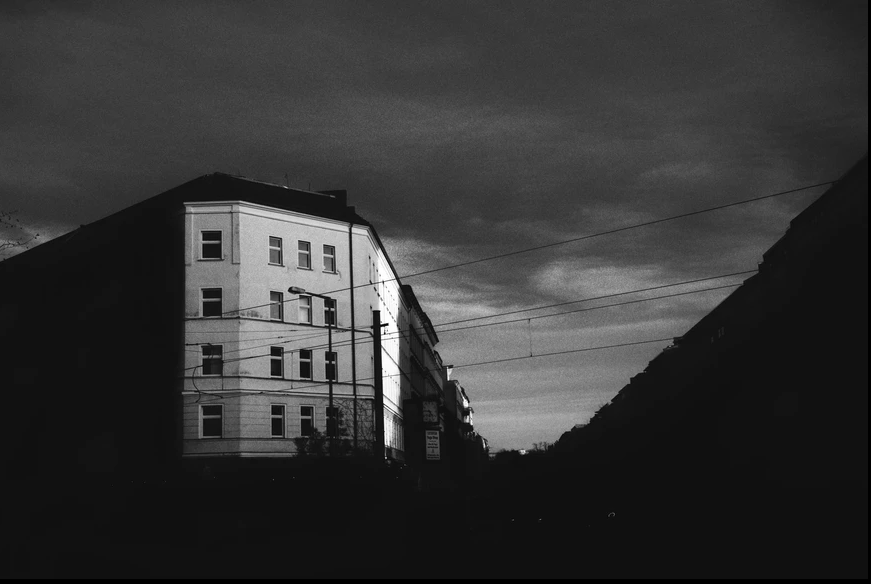
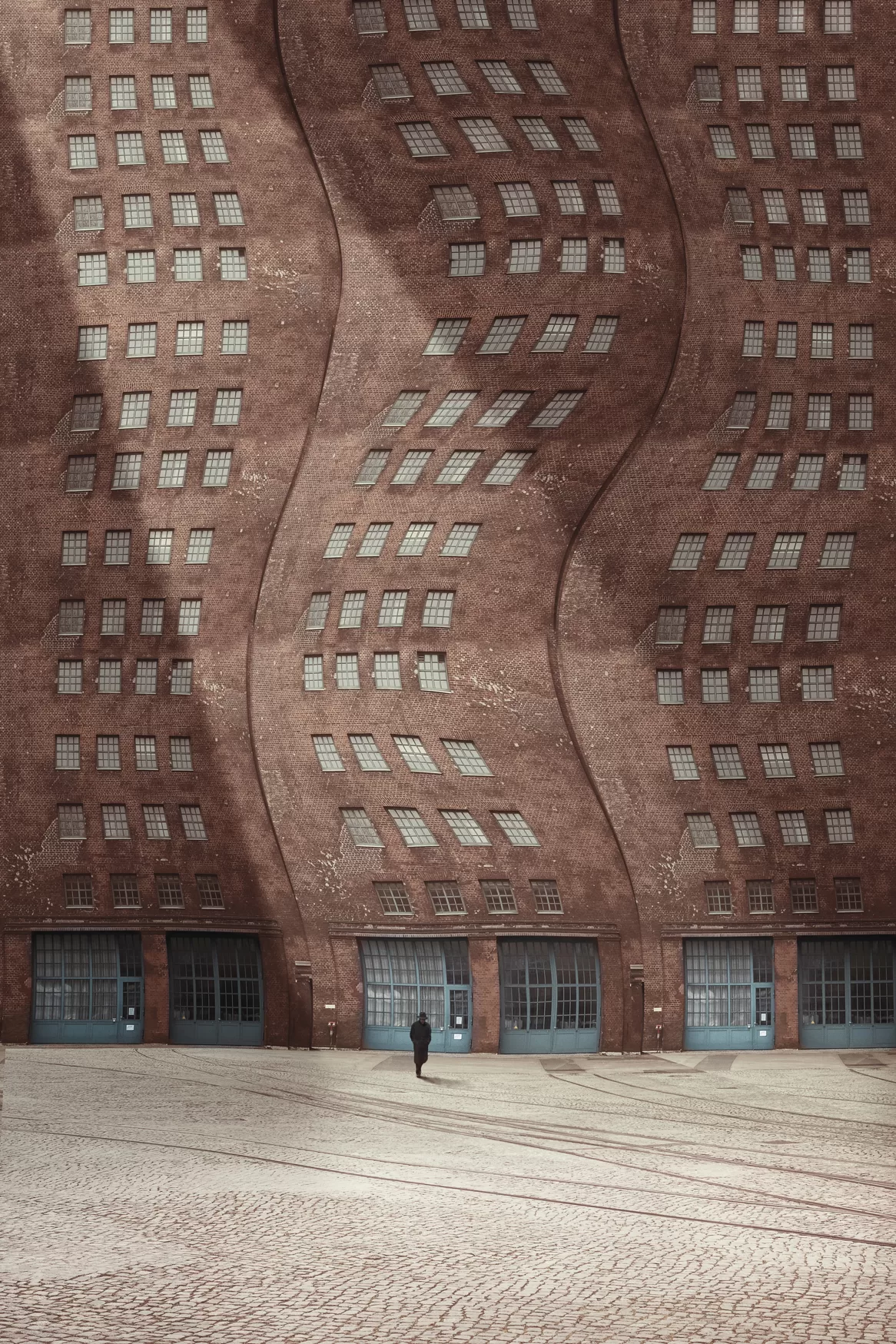

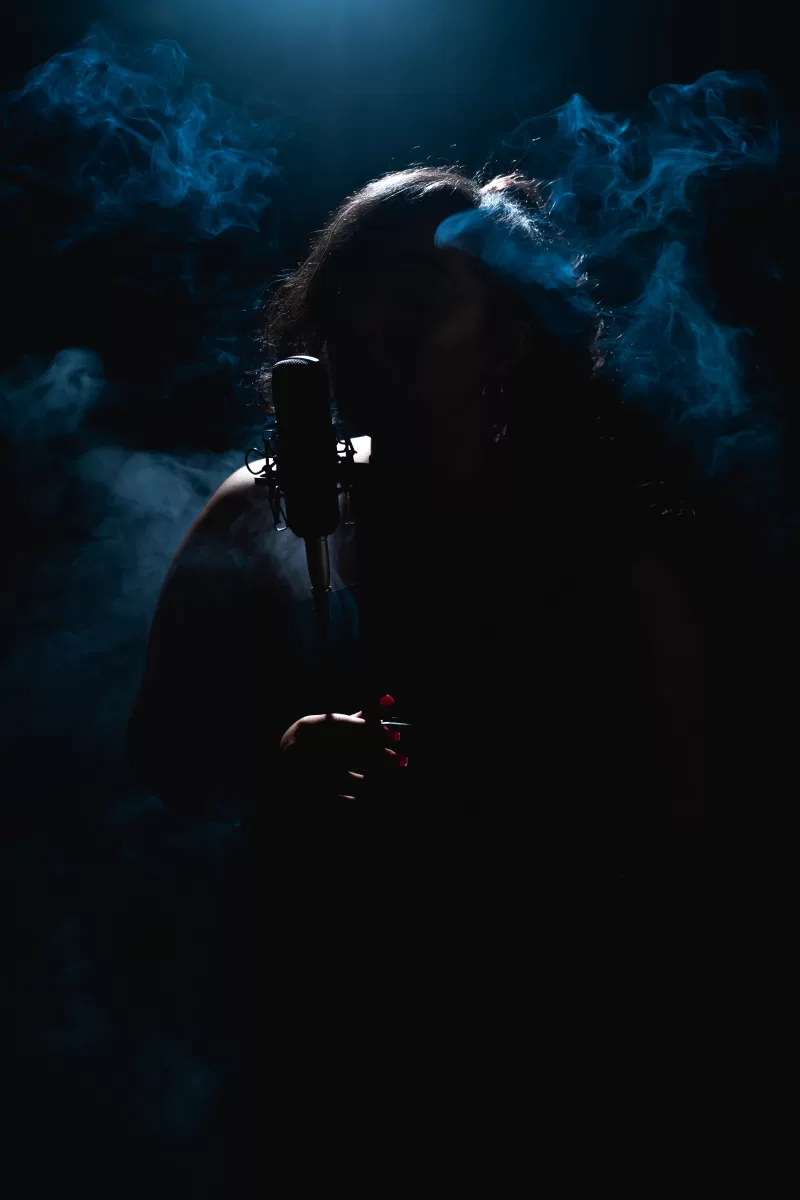
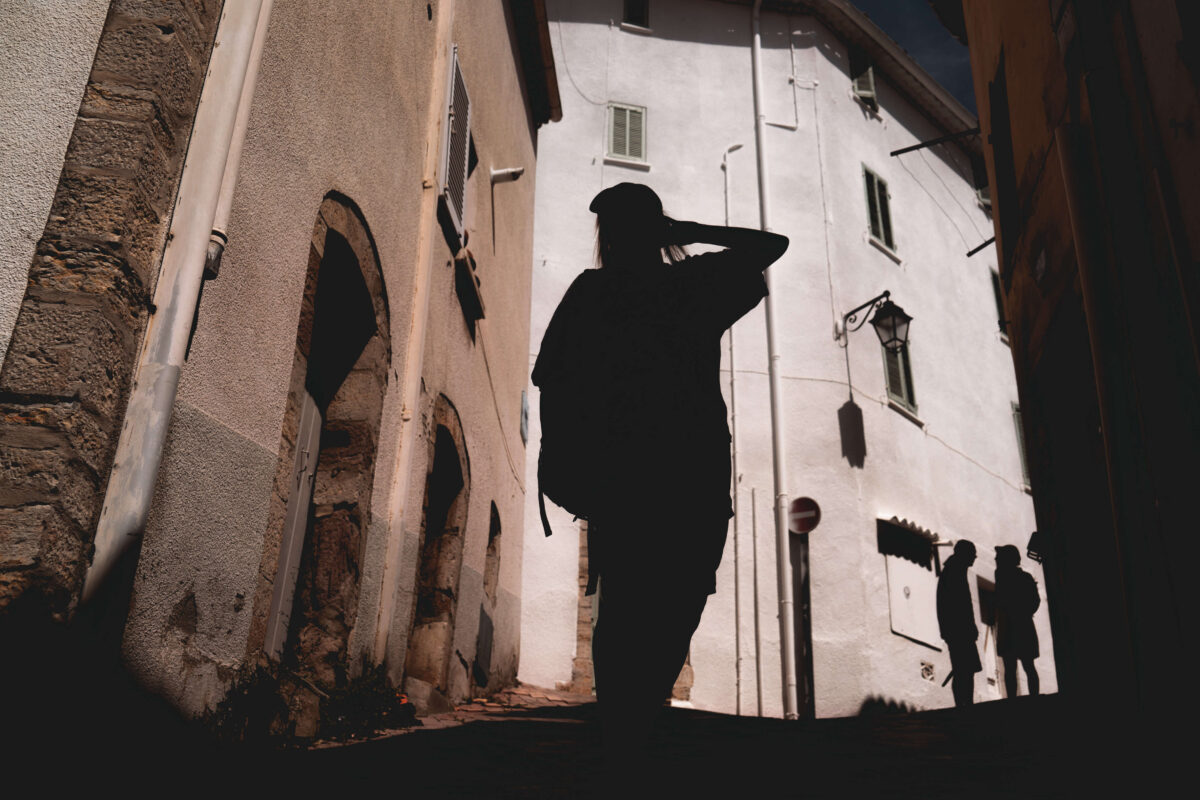


To define your style you need to try many different ones and of course, silhouette photography is also important. In general, if you want to create absolutely new photographs you need to explore different techniques. Silhouette photography is not only a profile of a man on a bright background, silhouettes can be partial. For example, it can be a silhouette of a man but one side of his face can be well-lit by a spot of light. Try out all kinds of silhouette photography and it will improve your skills overall.
Some Q&As
How does silhouette photography add depth to artistic expression?
Silhouette photography introduces a layer of mystery and abstraction, allowing viewers to connect with the essence of an image without being influenced by individual identities or cultural backgrounds.
In what way does silhouette photography aid in understanding composition?
Silhouette photography simplifies compositions into shapes, aiding in understanding the flow and hierarchy within an image. It provides a platform to experiment with shapes for more compelling visuals.
How does underexposure contribute to creating impactful silhouettes?
Underexposing shadows while maintaining well-exposed highlights is crucial in crafting striking silhouettes. This manipulation of contrast and light is essential in this photography technique.
How to do creative silhouette photography?
Exploring various forms of silhouette photography beyond the classic profile silhouettes is key. Experimenting with partial silhouettes and diverse techniques helps refine skills and create unique, engaging images.
Thank you for reading till the end!
All of my new articles are free to read since I would like to support the idea of library socialism. I feel like all the resources should be available to everyone and then we all will benefit a lot. If you would like to support me, you can subscribe to my blog, tell about it to someone who might be interested in photography and support me on Patreon.

Comments are closed.